Destination

Lisbon, Portugal

Lisbon student group travel for teachers: tram 28, Belém Tower, Alfama miradouros — an educational travel guide to Portugal's capital for high school groups.

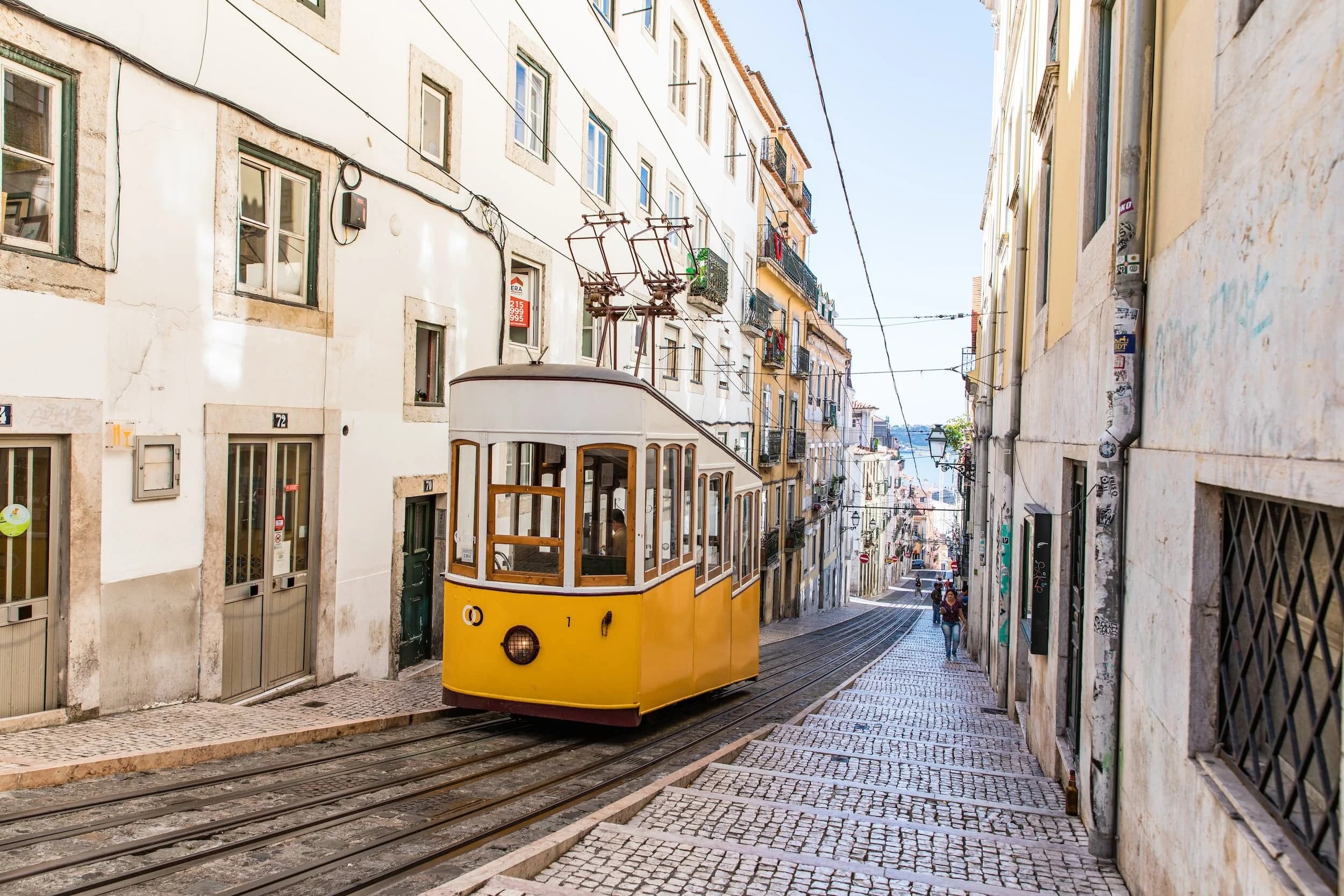
Yellow tram climbing past tiled rooftops above the Tagus river in Lisbon, Portugal
On this page
  • Where Lisbon sits on the Tagus and why seven hills shape every school-group day
  • Six sights: Belém Tower, Jerónimos Monastery, Alfama, tram 28, Castelo de São Jorge, LX Factory
  • What to eat: bacalhau, pastéis de nata, bifana, ginjinha, sardinhas
  • When to go, what to pack for Atlantic light, and whether Lisbon is safe for students
  • Practical logistics for teachers: cobblestones, funiculars, and miradouro etiquette
← All city guidesCountry guide: Portugal
Plan a trip

A quick introduction

Lisbon is the western edge of continental Europe — the last European capital before the Atlantic — and it has been a working port since the Phoenicians put in here around 1200 BC. The metropolitan area runs about 2.9 million people, the historic city itself sits on seven hills above the Tagus estuary, and the 1755 earthquake (one of the deadliest in European history) is why downtown Baixa looks like an 18th-century grid while Alfama on the hill behind it still follows its medieval Moorish lanes.

For a student group, Lisbon is one of the cleanest history-and- geography combinations in Europe: Age of Discovery monuments cluster in Belém, a living UNESCO-listed fado tradition runs through Alfama, and the Atlantic is twenty minutes by train. Lisbon pairs naturally with Sintra, Cascais, and the Algarve on a Portugal educational travel itinerary, and it gives a high school group trip the maritime-history angle that Madrid and Rome can't. Costs run noticeably lower than the rest of Western Europe, which means a teacher-led trip can stretch a school group's budget further than almost anywhere else on the continent.

Day by day

Top things to see and do

Belém Tower

Belém Tower

The 16th-century Manueline fort that guarded the mouth of the Tagus during the Age of Discovery. Carved limestone ropes, armillary spheres, and rhinoceros gargoyles — the visual vocabulary of Portuguese maritime power. UNESCO since 1983.

Jerónimos Monastery

Jerónimos Monastery

A few hundred meters from Belém Tower, the monastery was funded by the spice-trade tax on Vasco da Gama's return from India. The two-story Manueline cloister is the single most photographed building interior in Portugal, and the church holds da Gama's tomb.

Alfama district

Alfama district

The oldest neighborhood in Lisbon, the only one that survived the 1755 earthquake mostly intact. Moorish-era lanes, tiled facades, laundry on the lines, and live fado from doorways after dark. The walking heart of the city for a school group.

Tram 28

Tram 28

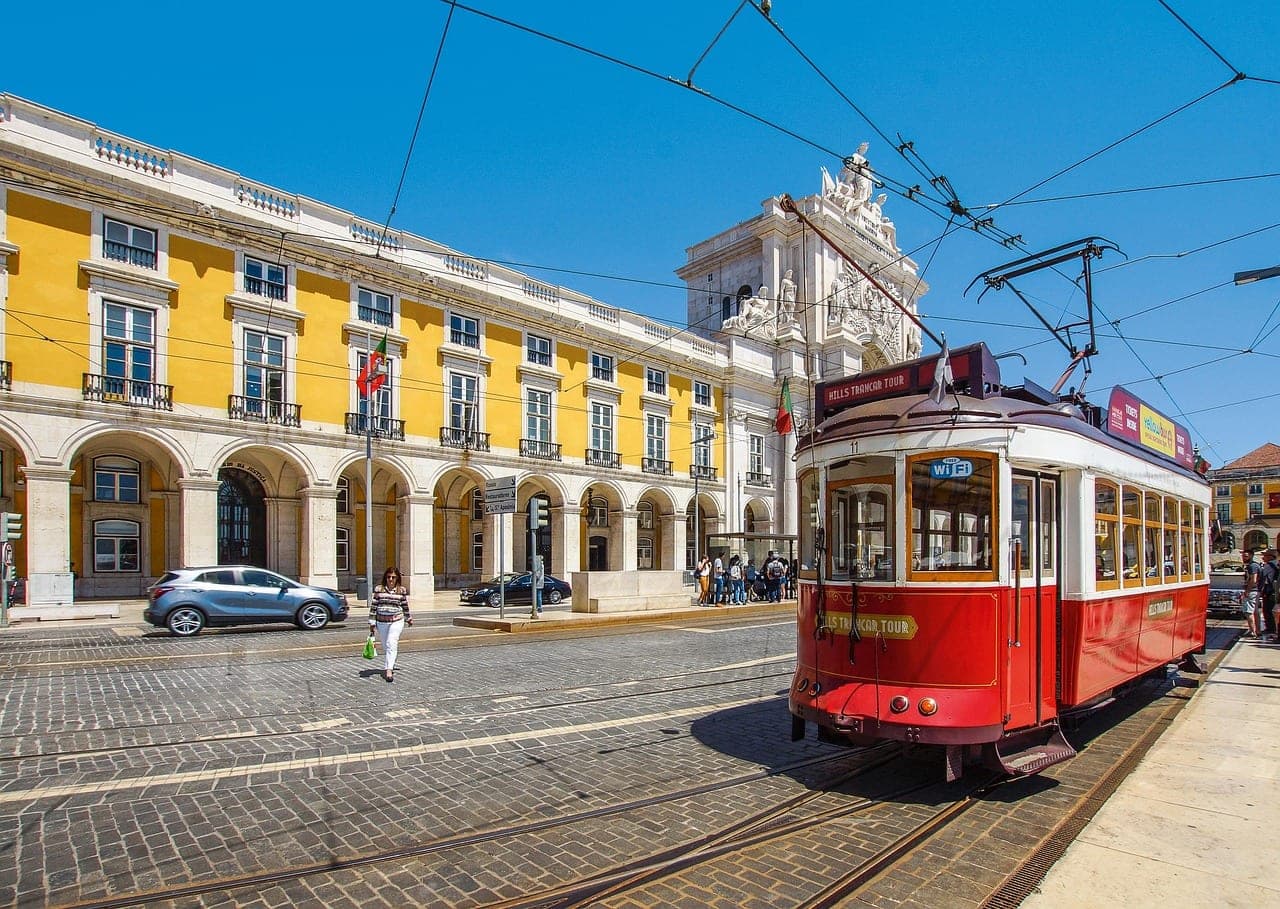
The yellow Remodelado tram that climbs from Martim Moniz through Graça, Alfama, Baixa, and Estrela. End-to-end takes about 45 minutes and covers four of the seven hills. The classic Lisbon orientation ride; pickpocket-aware standing only in summer.

Castelo de São Jorge

Castelo de São Jorge

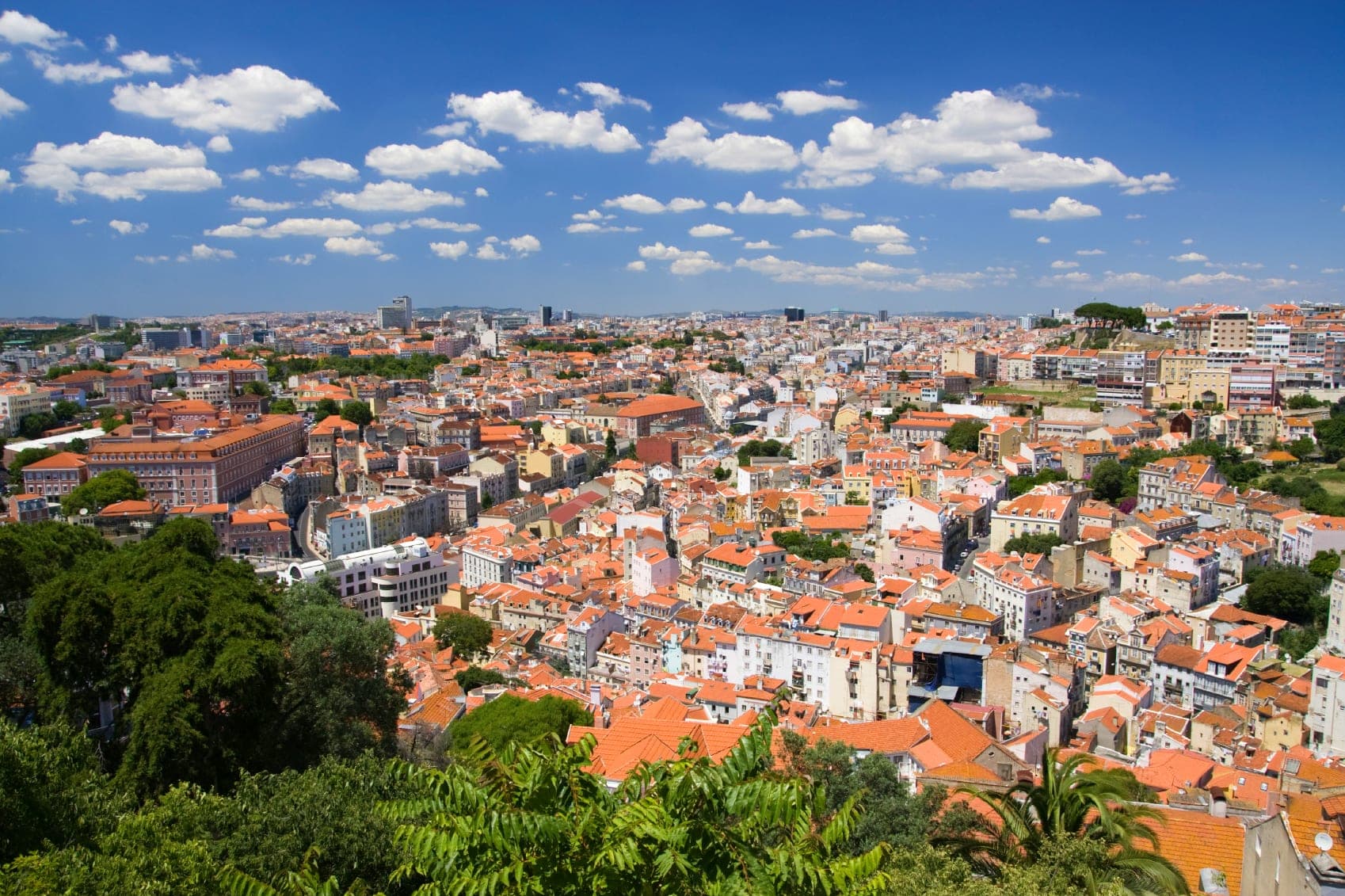
The Moorish hilltop castle that crowns Alfama. Ramparts open onto a 360-degree view across the Tagus and the red-tiled city. A clean one-hour stop that doubles as the geography lesson on why Lisbon ended up where it did.

LX Factory

LX Factory

A converted 19th-century industrial complex under the 25 de Abril Bridge — bookstores, design studios, street art, and independent restaurants. The contemporary-Lisbon counterweight to Belém's monuments and a good late-afternoon stop for a high school group trip.

Weather by season

When to go

  • Apr - Jun — spring sweet spot

    The classic window for educational travel to Lisbon. Daytime highs climb from 19°C in April to 27°C in June, jacaranda trees bloom violet across the city in May, and the Atlantic light is at its most photogenic. Crowds build through June but the major monuments are still walkable if you arrive at opening.

  • Jul - Aug — peak heat, peak crowds

    Daytime highs 28-32°C, the Festas de Lisboa take over the city in June and bleed into early July (sardine smoke and basil pots in every doorway), and Belém lines stretch around the block by 10 AM. Workable for summer student groups if every entry is pre-reserved and the monument day starts at opening.

  • Sep - Oct — shoulder-season gold

    The best window for teacher-led tours that can move on the school calendar. Temperatures drop back to 22-26°C, the Atlantic stays at its summer peak through mid-October, and crowds thin sharply after the second week of September. A September high school group trip to Portugal almost always pairs Lisbon with the Algarve in this window.

  • Nov - Mar — mild Atlantic winter

    Not really winter by US standards — daytime highs 14-17°C, the city is quiet and lit warm under low Atlantic sun, and the monuments have no lines at all. Expect 10-12 rainy days a month and the occasional Atlantic storm. A strong choice for interim-term school group tours focused on history rather than beach time.

What to order

Food and culture

Pastel de nata

Pastel de nata

The national custard tart — caramelized top, puff-pastry shell, custard set just enough to hold a spoon. The Pastéis de Belém shop has baked the original recipe since 1837; every group goes back for a second one.

Bacalhau à brás

Bacalhau à brás

Salt cod shredded with onions, matchstick potatoes, and scrambled eggs. Portugal claims 365 ways to cook bacalhau; this is the entry-level, universally-liked version for a student group's first dinner.

Bifana

Bifana

Marinated pork loin slow-cooked in garlic and white wine, stuffed in a crusty papo-seco roll with mustard. The classic Lisbon street sandwich — eaten standing at the counter at O Trevo on Praça Luís de Camões.

Sardinhas assadas

Sardinhas assadas

Fresh Atlantic sardines salted heavily and grilled whole over charcoal, eaten off the bone with bread and boiled potatoes. The smell carries blocks during June's Santo António festival, when half the city eats them on the street.

Ginjinha

Ginjinha

Sour-cherry liqueur served in a chocolate cup or shot glass at hole-in-the-wall bars (A Ginjinha on Rossio is the original, since 1840). For students of legal age only on the trip — but the cultural stop matters either way.

Packing essentials

What to pack

  • Documents

    Passport valid 6+ months past travel date, two printed copies (one for the student, one for the Tour Director's file), insurance card, and the Passports group packet. No visa required for US citizens on a stay under 90 days in the Schengen area.

  • Clothing

    Lightweight layers. Lisbon swings 10°C between sunny midday and breezy Atlantic evenings on the Tagus, and a light windbreaker earns its weight on miradouro stops. Modest cover (shoulders and knees) for Jerónimos, Sé Cathedral, and any church visit.

  • Footwear

    Serious, broken-in walking shoes with real grip. Lisbon's calçada portuguesa (hand-cut limestone cobbles) is polished slick by foot traffic and lethal in the rain. The seven hills log 12,000-15,000 steps a day for a student group; do not buy new shoes for the trip.

  • Tech

    Portugal uses Type C / F plugs (European two-prong) — bring a universal adapter. A portable battery covers monument-heavy Belém days. T-Mobile and Google Fi work out of the box; others should grab a MEO, NOS, or Vodafone eSIM on arrival at LIS.

  • Extras

    A small daypack for monument days, a reusable water bottle (Lisbon tap is excellent), sunscreen and sunglasses (Atlantic UV runs higher than US travelers expect), and a compact umbrella November through March.

The parent-meeting question

Is it safe?

Yes — Portugal is one of the safest countries a school group can travel to. The US State Department rates Portugal at Level 1 ("exercise normal precautions"), the lowest of its four advisory tiers, an assessment it rarely hands out anywhere in Europe. The Global Peace Index has ranked Portugal in the world's top seven safest countries for a decade running. Violent crime against travelers is genuinely rare in Lisbon; the practical risk is pickpocketing on tram 28, on the Santa Justa elevator queue, in Rossio square, and at peak times in Alfama.

On a Passports teacher-led trip, a Tour Director travels with the group every day, runs a pickpocket-awareness briefing on the first evening, and every transfer runs on a private coach. Every hotel is pre-vetted for 24-hour reception and secure room storage. We operate a 24/7 emergency line out of Boston, keep parents on a daily-update channel, and have English- speaking medical contacts in every city we visit. For most teachers running their first student group travel to Portugal, the logistics of a Lisbon school group tour feel easier than a domestic field trip.

🛡️

Personal safety

Violent crime against travelers is rare. Pickpockets work tram 28, Rossio, the Santa Justa elevator queue, and crowded Alfama nights — cross-body bags worn in front, phones off café tables, and a Day 1 briefing cover almost all of it. Hotels are vetted for 24-hour reception and in-room safes.

⚕️

Health & medical

Tap water is excellent across Lisbon. No special vaccines required beyond CDC routine. Hospital de Santa Maria and Hospital da Luz both run 24-hour ERs with English-speaking physicians; Hospital da Luz takes US travel insurance directly for most plans.

🚐

Roads & transport

Transfers on a private coach with seat belts on every seat; no students on scooters, tuk-tuks, or rented bikes at any point. The Lisbon metro is clean and modern but we use it only as a chaperoned group, never as student-solo transit. LIS airport is a 15-minute coach ride from downtown.

🌪️

Natural hazards

Lisbon sits on a known seismic fault — the 1755 quake is the historical reference — but modern building codes are strict and the practical risk during a one-week visit is negligible. Summer heat and occasional Atlantic storms in winter round out the list; we monitor Protecção Civil alerts year-round.

Practical tips

  • Eurozone and contactless by default

    Portugal is on the euro and contactless card and phone payment is near-universal, even at neighborhood pastelarias. A small amount of cash helps at the odd Alfama tasca or street-market stall, but students rarely need to change money beyond the airport.

  • Tipping is low-key

    Portuguese tipping culture is softer than the US — rounding up to the next euro at a café, 5-10% at a sit-down dinner for good service. The couvert (bread, olives, cheese brought to the table) is not free; send it back if the group doesn't want it.

  • Cobblestones and seven hills

    The calçada portuguesa is beautiful, historic, and slick when wet. The funiculars (Bica, Glória, Lavra) are charming but slow; for a school group on a schedule, walking down and catching tram or metro back up is the faster pattern.

  • Portuguese first, English second

    English is widely spoken in central Lisbon, almost universally under 40, but the polite move is still to open in Portuguese: bom dia, boa tarde, obrigado (male) / obrigada (female). Students who try get visibly warmer service.

  • Lean on your Passports Tour Director

    Every Passports educational travel itinerary to Portugal includes a full-time Tour Director who handles coach logistics, restaurant reservations, monument timed-entries, and the late-night fado pickup in Alfama. Teachers lead the learning; we run the ground operations.
Five facts

Good to know

🏛️

Older than Rome

Lisbon's continuous settlement runs at least 3,200 years — Phoenician trading post, Roman Olisipo, Moorish al-Ushbuna, then Christian Lisbon from 1147 onward. Older than Rome, London, or Paris by a wide margin.

🌊

The 1755 earthquake reset the city

A magnitude-8.5 quake on All Saints' Day 1755, followed by a tsunami and six days of fire, leveled most of central Lisbon. The Marquis of Pombal rebuilt Baixa on a strict grid in five years — Europe's first earthquake-resistant district.

🎼

Fado is UNESCO heritage

Lisbon's mournful, guitar-backed urban folk music was inscribed on UNESCO's Intangible Cultural Heritage list in 2011. An evening fado dinner in Alfama or Bairro Alto is the single most resonant cultural stop a student group can make in the city.

🌉

The 25 de Abril Bridge looks familiar

The red suspension bridge across the Tagus is by the same firm that built the San Francisco-Oakland Bay Bridge — American Bridge Company, opened 1966. AP US history students catch the connection without prompting.

Cristiano Ronaldo learned to play here

Portugal's most famous export came up through Sporting Lisbon's youth academy in the late 1990s. The training ground in Alvalade is closed to the public but the Estádio José Alvalade tour runs daily.

Tours that go here

Tours that stop in Lisbon

See all tours →
Algarve Coast
Portugal

Exploration Portugal

Porto · Lisbon · Algarve Coast

Custom & private
See itinerary
Monument to the Discoveries
Portugal · Spain

Iberian Cultures

Lisbon · Algarve Coast · Seville · Madrid

Language-immersion
See itinerary
Classroom material

Lesson plans about Lisbon

See all →
SpainHistoryGrade 11-12

Spain and the Reconquista (711-1492)

Through the investigation of primary and secondary sources, students in this lesson will identify, understand and be able to explain the details of the Reconquista, how Muslim forces came to rule over Christian Iberia, the cultural contribu…

View lesson
From our blog

Blog posts about Lisbon

See all →
Top 10 Literary Destinations in Europe
destinations

Top 10 Literary Destinations in Europe

Europe's top literary destinations span ten cities, from Shakespeare's Stratford-upon-Avon to Joyce's Zurich, each offering author museums, landmarks, and cultural history

Read post
Lisbon Walking Tour: A Step-by-Step Guide to Portugal's Sun-Kissed Capital
destinations

Lisbon Walking Tour: A Step-by-Step Guide to Portugal's Sun-Kissed Capital

This guide walks you through a full day in Lisbon, covering Alfama, Baixa, Chiado, Bairro Alto, and Belém with stops at top landmarks and local dishes

Read post
Must See Cities in Europe
destinations

Must See Cities in Europe

Ten must-see Western European cities are covered here, from Paris and Rome to Lisbon and Vienna, with highlights on culture, food, history, and local atmosphere for each destination

Read post
Eiffel tower
for teachers

Real Travel Talk with Dave - April 2022

After two months of leading groups in Europe, we've learned a lot about what travel will be like this year. Let's talk about it! 

Read post
View from St. George's Castle
travel inspiration

7 Reasons to Visit Portugal

1. Learn (or try to learn) Portuguese in its native land!  It’s the 6th most spoken language in the world.  Not only the official language of Portugal itself, Portuguese is also the official language of Brazil,

Read post
On the ground

More places in Portugal

Country guide: Portugal →
Golden Algarve cliffs above an Atlantic cove at Albufeira

Albufeira, Portugal

Albufeira student group travel for teachers: Algarve cliffs, the Moorish Old Town, and Atlantic marine science — educational tours for high school group trips.

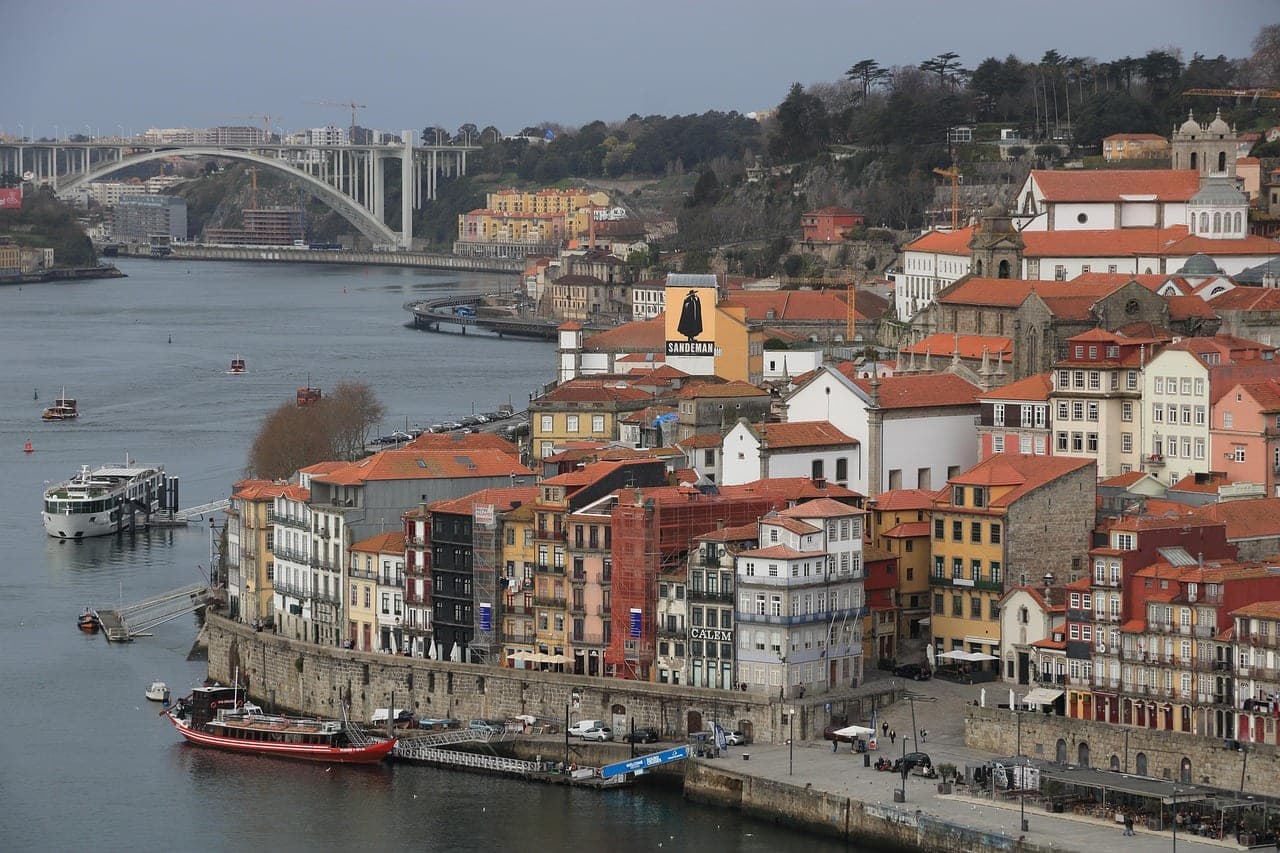
Colorful tile-fronted houses tumbling down to the Douro river along Porto's Ribeira waterfront

Porto, Portugal

Porto student group travel for teachers: Ribeira, port wine cellars, Livraria Lello — an educational travel guide to northern Portugal for high school groups.

Bring your group to Lisbon, Portugal.

Every Passports trip is built around a teacher and a group — from first itinerary sketch to the last day on the ground. Tell us what you have in mind and we’ll take it from there.

Plan a trip