Country guide

Portugal

Portugal student group travel for teachers: Lisbon, Porto, Sintra, and the Age-of-Exploration curriculum behind our top teacher-led school group trips.

All countries
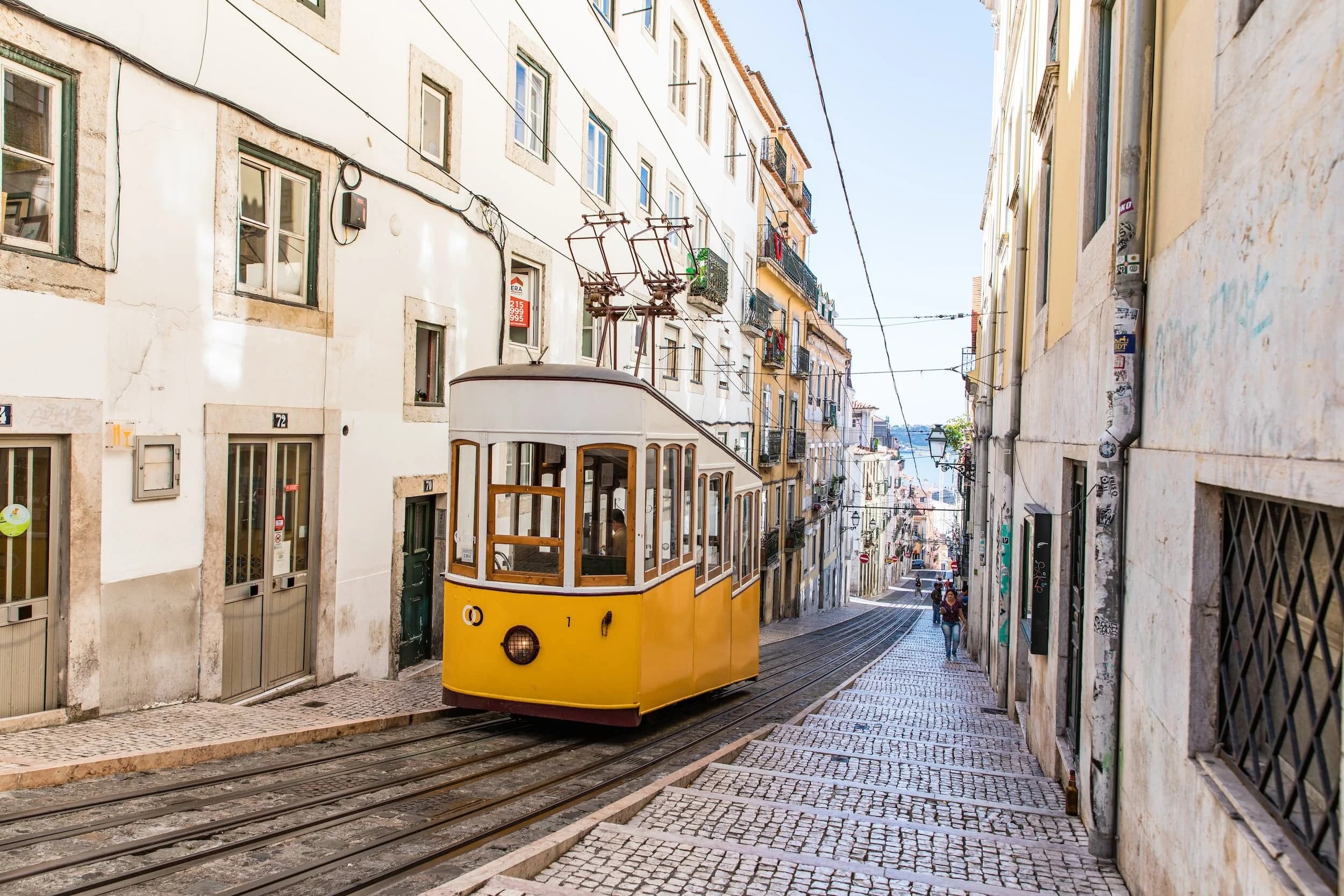
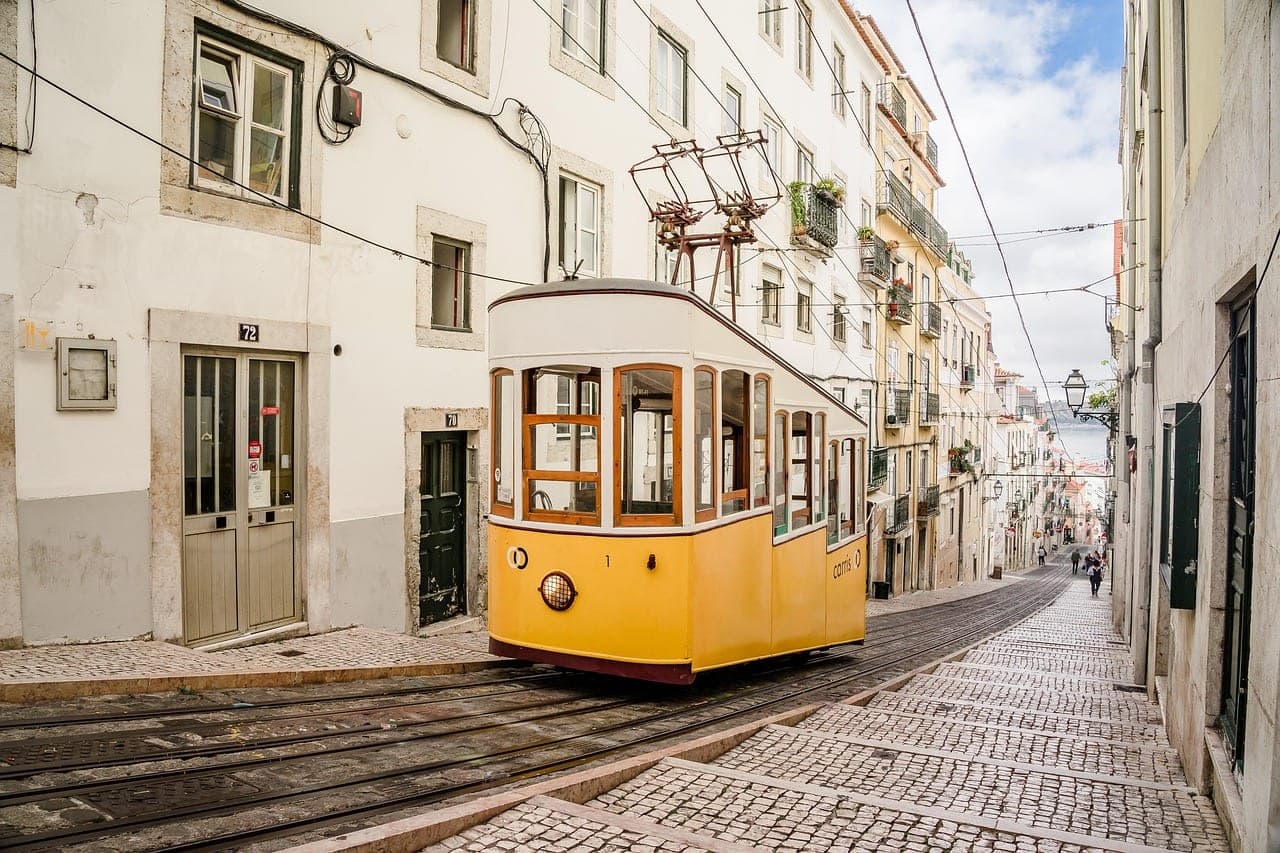
Yellow tram climbing a steep cobbled hillside above red rooftops in Lisbon, Portugal
On this page
  • Where Portugal sits on the Iberian Peninsula and why it's an underrated first European group trip
  • Six regions worth a day each — Lisbon, Sintra, Porto, Douro, Évora, Algarve
  • What to order: pastel de nata, bacalhau, francesinha, caldo verde, grilled sardines
  • Practical logistics for teachers: trains, the couvert, tipping, and Level-1 safety
  • Age of Exploration on the ground — Belém, Sagres, Jerónimos — and why it hooks students

A quick introduction

Portugal is the westernmost country in mainland Europe — 92,212 km², roughly the size of Indiana — with a population of about 10.3 million and a capital, Lisbon, that sits on seven hills above the Tagus estuary and predates Rome by several centuries. The country's calling card is its scale: 832 km of Atlantic coastline, 17 UNESCO World Heritage Sites, and the oldest continuously settled borders of any nation-state in Europe, fixed by treaty in 1143. For a student group, that compact footprint means Lisbon, Porto, the Douro Valley, and the Alentejo all fit inside a single week without a brutal travel day.

Portugal is the sleeper pick for teachers who've already run a group to Italy, France, or Spain and want a less-crowded, better-value European follow-up. Crowds are lighter than Barcelona or Rome, prices are 20-30% below the Western European average, and the curricular fit is unusually deep: this is the country that launched the Age of Exploration, anchors the Lusophone world of 265 million Portuguese speakers, and gave the English language the word tempura. Most of our high school group trips pair it with Spain, but a standalone Portugal itinerary holds its own for educational travel programs focused on world history, maritime science, or Romance-language immersion.

Quick facts

Portugal by the numbers

📐

92,212 km²

Roughly the size of Indiana — Lisbon to Porto is 3 hours on the Alfa Pendular train, and the longest transfer on a typical itinerary is under 3.5 hours. A student group covers a lot of ground without losing days to the road.

👥

~10.3 million

Population of the whole country. About a third live in the Greater Lisbon metro area; Porto, the Algarve, and the Atlantic-facing islands carry most of the rest.

🏛️

17 UNESCO sites

From the monastic complex at Jerónimos to the hilltop palaces of Sintra, the university town of Coimbra, and the Laurisilva forest of Madeira. Curriculum-ready stops, most inside an easy day-trip radius of Lisbon or Porto.

🏰

Est. 1143

Oldest continuous borders of any nation-state in Europe. Portugal's modern frontier was fixed by the Treaty of Zamora nearly 900 years ago — a live talking point for a world history class studying the formation of Atlantic Europe.

Inside the trip

A week with a Passports group

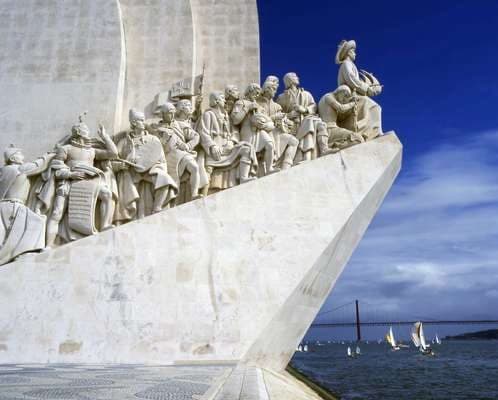
A typical Passports high school group trip to Portugal runs seven to ten days and slots neatly into April, June, or late September — the three windows school calendars open up. Day one is Lisbon: arrival at Humberto Delgado, a walking orientation through the Baixa and Alfama grids, and dinner with the Tour Director who stays with the group for the full week. Day two is Belém — the Jerónimos Monastery, the Discoveries Monument, and the Belém Tower, all within walking distance along the Tagus — and that afternoon a custard-tart stop at Pastéis de Belém that students remember longer than the monuments.

The middle of the week is the curricular heart. A day trip to Sintra for Pena Palace and the Moorish castle, then the coach pushes north to the Douro Valley for a terraced-vineyard lesson in geology and viticulture before dropping into Porto for two nights. Porto delivers the Ribeira waterfront, a port-cellar tour in Gaia (juice-only tasting for students, guided narration for the teacher), and a walk across the Luís I bridge at sunset that consistently ranks as the trip's best surprise.

We've been running student group travel to Portugal for long enough that every moving part has a backup plan: a ticketing scrum at Jerónimos, a Douro train cancellation in shoulder season, a student whose passport expired a month earlier than the parent thought. The educational travel piece is real — most itineraries add a service-learning half-day with a Lisbon or Porto community partner, and longer programs build in a homestay or a formal exchange with a Portuguese secondary school — but what teachers consistently report back is that the logistics simply work. Portugal is where a first-time group leader gets to look like a veteran.

Region by region

Top things to see and do

Lisbon & Belém

Lisbon & Belém

The capital in two acts: the tiled, tram-threaded hills of Alfama and Bairro Alto, and the Age-of-Exploration monument belt along the Tagus at Belém. Jerónimos Monastery, the Belém Tower, the Discoveries Monument, and Pastéis de Belém are a single half-day if the group is willing to walk.

Sintra & Cascais

Sintra & Cascais

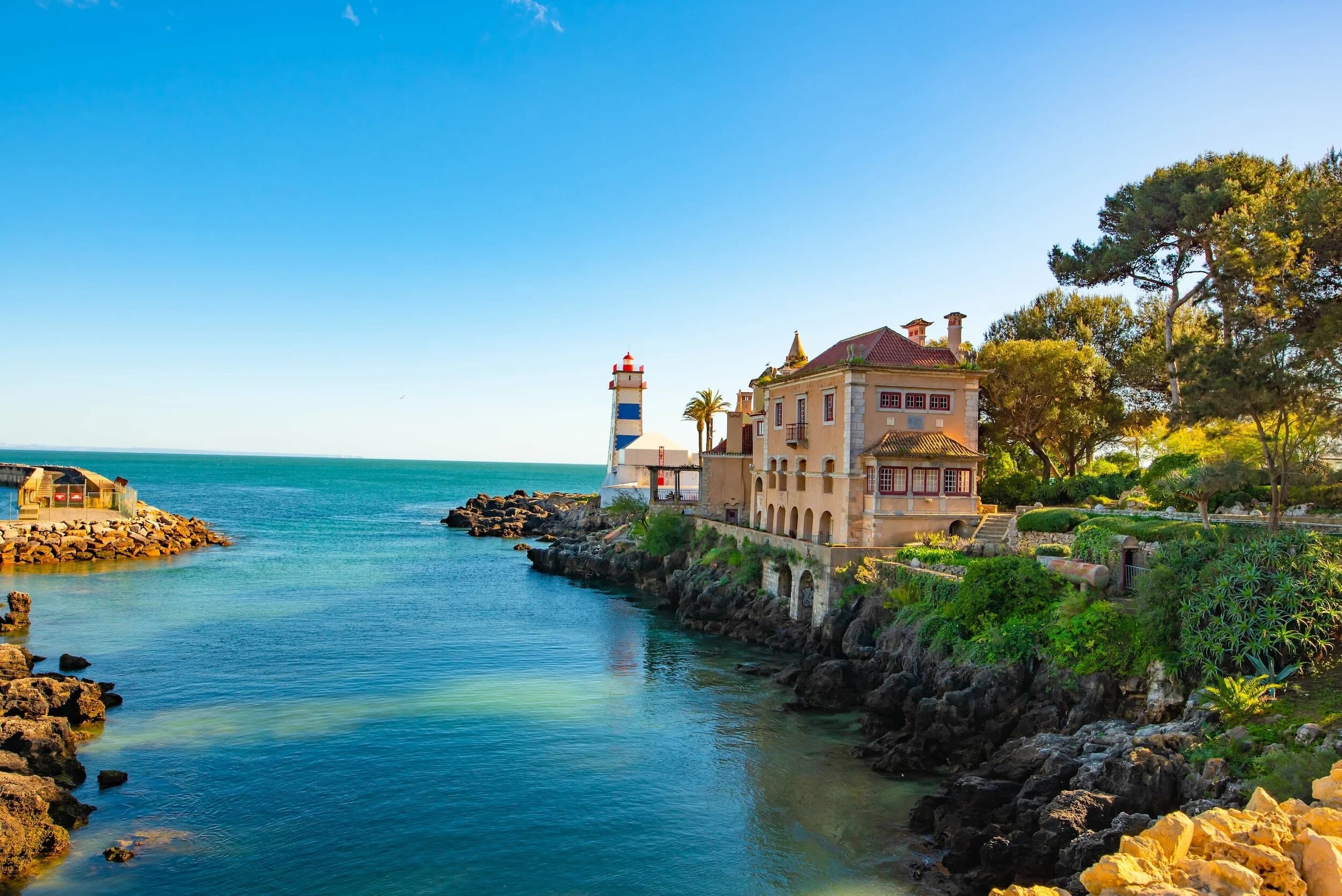
A 40-minute train from Lisbon drops students into a hilltop microclimate of palaces, Moorish ruins, and fog-wrapped forest. Pena Palace, the Castle of the Moors, Quinta da Regaleira, then an afternoon loop out to Cabo da Roca — continental Europe's westernmost point — and a quick beach stop in Cascais.

Porto & the Douro Valley

Porto & the Douro Valley

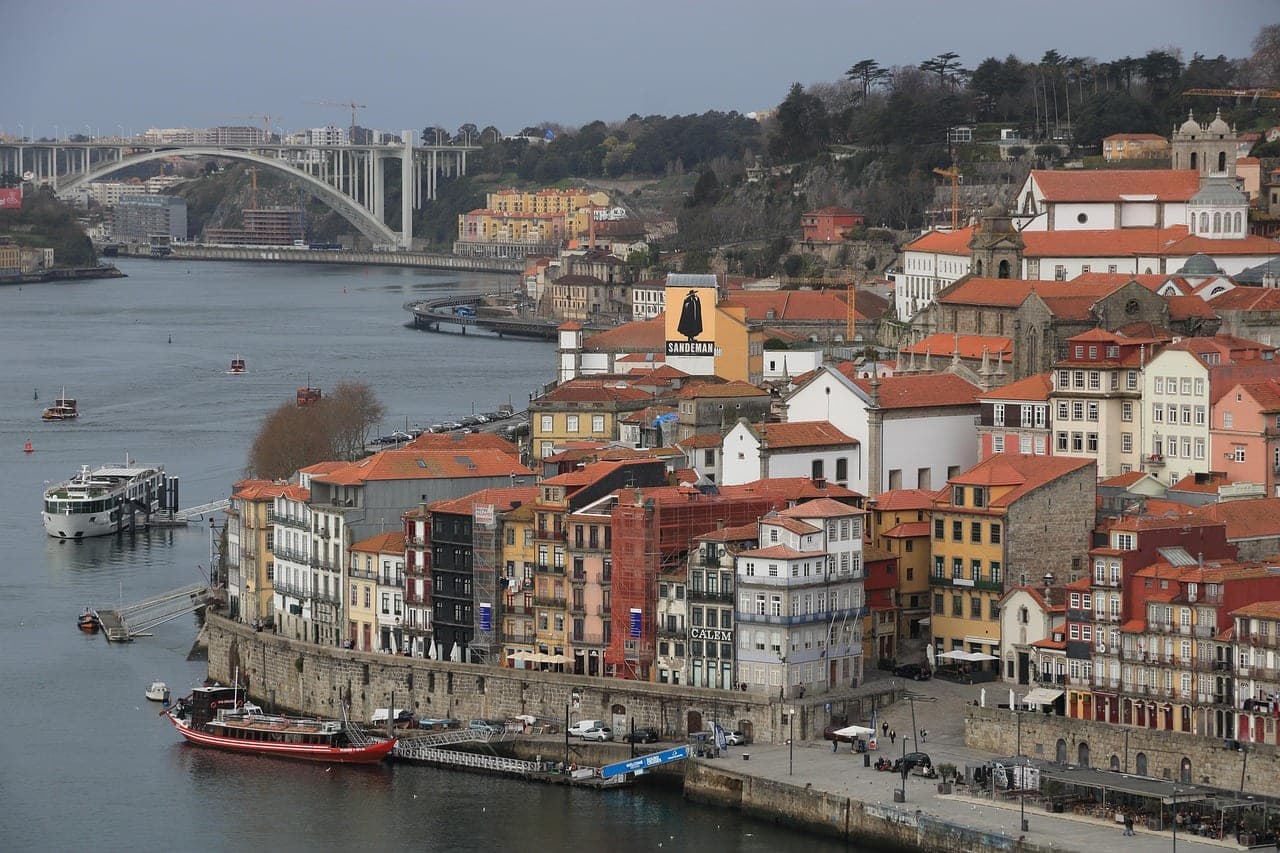
Portugal's second city, the terracotta Ribeira on the Douro, and the port-wine cellars across the river in Vila Nova de Gaia. Students don't taste; they tour, learn the cellar logistics, and see why UNESCO lists the Douro as the world's oldest demarcated wine region (1756). Livraria Lello and the azulejo-lined São Bento station are in walking distance.

Évora & the Alentejo

Évora & the Alentejo

A UNESCO-listed walled town 90 minutes east of Lisbon, anchored by a 1st-century Roman temple and the famously macabre Chapel of Bones. The surrounding Alentejo is cork-oak country — 50% of the world's cork comes from Portugal, and most of that from here — and works as either a day trip or an overnight.

Algarve coast

Algarve coast

Portugal's southern coastline: limestone cliffs, sea caves (Benagil), and the sailor's academy at Sagres where Henry the Navigator plotted the first voyages down the African coast. A worthwhile add-on for longer itineraries or a spring-break high school group trip that needs a decompression day.

Azores archipelago

Azores archipelago

Nine volcanic islands 1,500 km out in the Atlantic, sitting on a triple-junction plate boundary. Sete Cidades crater lakes on São Miguel, geothermal cooking pits at Furnas, and whale-watching in season. A dedicated add-on for AP Environmental Science or earth-science field programs.

Weather by season

When to go

  • Apr - Jun — the shoulder-season sweet spot

    Daytime highs 18-25°C, wildflowers in the Alentejo, and the Algarve cliffs without the August wall-to-wall crowds. The most popular window for educational travel to Portugal — shoulder pricing on hotels, trains running on time, and long daylight into the evening walking tour.

  • Jul - Aug — peak summer, coast-heavy

    Inland Alentejo pushes 35°C+, Lisbon and Porto sit around 28-32°C, and the Algarve is wall-to-wall European holidaymakers. Workable for student groups if the itinerary leans coast and the group is OK starting sightseeing at 8 a.m. before the heat. Book hotels early — this is peak.

  • Sep - Oct — harvest season in the Douro

    Our favorite alternative to spring. Grape harvest peaks in September in the Douro, crowds thin after the first week of September, temperatures settle into the low 20s, and the light on the Tagus is cinematic. A perfect fit for a fall-term school group tour.

  • Nov - Mar — mild, wet, quiet

    Lisbon winters are mild (10-15°C daytime) but genuinely rainy November through February; Porto and the north are colder and wetter, and the Azores can see serious Atlantic storms. Workable for an interim-term academic program but tight for standard school-year windows.

What to order

Food and culture

Pastel de nata

Pastel de nata

The famous custard tart — flaky puff-pastry shell, burnt-cream filling, a dusting of cinnamon. The original recipe traces to the Jerónimos Monastery in Belém, and Pastéis de Belém still sells a version students will rank as the single best bite of the trip.

Bacalhau

Bacalhau

Salt cod — the national obsession, with a different preparation for every day of the year. Bacalhau à brás (shredded with eggs, onions, and shoestring potatoes) is the most student- friendly entry point. A 500-year legacy of the Age-of-Exploration protein-preservation problem.

Francesinha

Francesinha

Porto's signature sandwich: cured ham, steak, and linguiça between thick bread, blanketed in melted cheese and a tomato-beer sauce, served with fries. Big, rich, theatrical — one per pair of students and a knife-and-fork approach.

Caldo verde

Caldo verde

Puréed potato broth with ribbons of kale and a slice of chouriço. The national soup — warming, cheap, and on every taberna menu from Minho to the Algarve. Gentle introduction for the pickier eater in the group.

Sardinhas assadas

Sardinhas assadas

Whole sardines grilled over charcoal, salt and lemon only, eaten with bread that catches the drippings. Peak season is June through August, and the smell of sardine smoke in the Alfama on a June evening is the most Lisbon moment a student group will have.

Curriculum tie-ins

Classroom connections

AP World History & the Age of Exploration

Portugal launched it: Henry the Navigator's school at Sagres, Dias rounding the Cape in 1488, da Gama reaching India in 1498, Cabral on Brazil in 1500, and Magellan's 1519 circumnavigation. Belém, the Discoveries Monument, and the Jerónimos Monastery make the AP World syllabus three-dimensional in a way no textbook chapter manages.

🧭

Maritime Science & Navigation

Caravel hull design, the astrolabe, the cross-staff, and the Volta do Mar — the trade-wind loop that made returning from the African coast possible. The Navy Museum in Belém anchors a field-science lesson on wind, latitude, and the physics of pre-Mercator navigation.

🗣️

Portuguese & the Lusophone world

Portuguese is the sixth-most-spoken language in the world with 265 million speakers across Brazil, Angola, Mozambique, Cape Verde, Guinea-Bissau, São Tomé, East Timor, and Macau. Real immersion for Romance-language students — approachable for anyone with Spanish — and a standing case study for linguistic diffusion.

🎨

Art & azulejo tilework

500 years of blue-and-white ceramic tile, from Moorish geometric imports to 18th-century narrative panels to the metro stations Maria Keil decorated in the 1960s. The Museu Nacional do Azulejo in Lisbon reads like an art-history timeline you can walk through.

🌋

Geography & plate tectonics

The Azores sit on the triple junction of the North American, Eurasian, and African plates — active volcanism, hot springs, and a real-time lesson in seafloor spreading. On the mainland, the 1755 Lisbon earthquake is the Enlightenment-era case study for seismology, urban planning, and theodicy all at once.

📜

Literature & civic history

Camões' Lusiads (1572) narrates the Age of Exploration in epic verse; Fernando Pessoa invented four distinct poetic personas and walked the streets of Chiado; José Saramago won the 1998 Nobel. Tie it to the 1974 Carnation Revolution — a peaceful end to Western Europe's longest dictatorship — for a civics-and-literature combo that lands hard in a senior-year seminar.

Packing essentials

What to pack

  • Documents

    Passport valid 3+ months past the planned departure date from the Schengen area (we recommend 6+ for buffer), two printed copies (one for the student, one for the Tour Director's file), insurance card, and the Passports group packet. No visa required for US citizens staying under 90 days in the Schengen zone.

  • Clothing

    Layers. Lisbon and Porto swing 10°C between a windy Tagus morning and a sunny afternoon, and the Azores and Sintra run cooler and wetter than the rest of the country. Modesty covers (shoulders and knees) for the Jerónimos Monastery and the Sé cathedrals. A light sweater for evenings on the coast.

  • Footwear

    One pair of broken-in walking shoes with real tread is non-negotiable. Lisbon's calçada portuguesa — the hand-laid limestone cobble that paves most of the city — is gorgeous and genuinely slippery after rain. Sandals or flip-flops for the hotel and any Algarve beach stop.

  • Rain gear

    A lightweight, packable rain jacket earns its keep November through April and on any Azores day. A small umbrella fits in a day pack and survives the wet-winter shoulder season better than a cheap poncho.

  • Tech

    Type F plug adapter (European two-round-prong) and a 220V-rated charger — most US phone bricks handle this natively, but double-check before departure. An eSIM loaded before arrival is the painless move; Portuguese carriers MEO, NOS, and Vodafone all work cleanly for prepaid tourist plans.

  • Extras

    Reusable water bottle (tap is safe nationwide), sunscreen (the Algarve sun is stronger than students expect), a small first-aid kit, and a notebook for the field-journal component most of our itineraries build into the schedule.

The parent-meeting question

Is it safe?

Yes. Portugal is the third-safest country in the world on the Global Peace Index, and the US State Department rates it Level 1 ("exercise normal precautions") — the same rating as Japan, Norway, or Switzerland. The realistic risk profile is pickpocketing on Lisbon's Tram 28 and at busy metro stations, not violent crime, and the countermeasures are the same as for a school group traveling anywhere in Europe: valuables in the hotel safe, cross-body bags worn in front, and a Tour Director briefing on the first night.

On a Passports teacher-led trip, the group is never on a Lisbon commuter tram without a guide, never splits up without a defined meetup time, and never out of reach of a named Tour Director who stays with the group 24/7 for the full week. We operate a 24/7 emergency line staffed out of our Boston HQ, keep parents on a daily-update channel, and have pre-vetted English-speaking medical contacts in every region we visit. For most teachers leading school group tours to Portugal, the logistics feel easier than a domestic field trip.

🛡️

Personal safety

Violent crime is rare by European standards. Pickpocketing concentrates on Tram 28, the Santa Justa lift queue, Rossio station, and Porto's São Bento — we brief the group on these specifically the first night. Hotels are vetted for 24-hour reception and secure in-room storage.

⚕️

Health & medical

Tap water is potable nationwide. No travel vaccinations required beyond CDC routine. Pharmacies (farmácias) are everywhere and staff typically speak English. Lisbon's CUF Descobertas and Porto's Hospital da Luz are international- standard private hospitals a short coach ride from most stops.

🚐

Roads & transport

Group transport is always by private coach with a professional, vetted driver — never public bus. Seatbelts on every seat. Intercity movement often uses the CP Alfa Pendular train Lisbon - Porto (faster and greener than coach for that specific leg) with the Tour Director holding a single group reservation.

🌪️

Natural hazards

Portugal is seismically active — the 1755 Lisbon earthquake is the historical high-water mark — and summer wildfires in the central interior and Algarve have become more common. We monitor Proteção Civil alerts daily in fire season and rebuild the route if a stop is advised closed. Azores itineraries track the volcanological service (IVAR) the same way.

Practical tips

  • The couvert is not free

    Bread, olives, cheese, and pâté delivered unrequested at the start of a meal are the couvert and they cost money — usually €2-5 per person. It's not a scam; it's how Portuguese restaurants work. Accept it or politely wave it away. Students on a teacher-led trip should hear this on day one so nobody panics at the first bill.

  • Cards everywhere, small cash for tips

    Contactless Visa and Mastercard work at essentially every restaurant, shop, and museum. Carry €20-40 in small bills and coins for tips (round up, or 5-10% for a sit-down meal), public-bathroom attendants, and the odd pastelaria that still hits a card minimum.

  • Trains beat coaches on the big legs

    Lisbon to Porto on the Alfa Pendular is 2h50 and drops the group in the heart of the city — faster, greener, and cheaper than the coach. Regional trains to Sintra, Cascais, and the Douro run clock-face schedules. Every Passports group trip we run in Portugal threads at least one train segment into the itinerary.

  • Portuguese is not Spanish

    Don't lead with Spanish — it reads as presumptuous and, more practically, Portuguese ears don't parse Spanish as easily as the reverse. Bom dia, obrigado/obrigada (gendered — speaker self-marks), por favor, and com licença get a group 80% of the way. Most under-40 Portuguese speak fluent English anyway.

  • Meals run late, shops close at lunch

    Lunch hits at 1 p.m., dinner rarely before 8 p.m., and smaller family-run shops still shutter 1-3 p.m. in the south. Plan the day around it: morning sightseeing, late lunch, free time or siesta, early-evening activity, dinner at 8. The rhythm clicks by day three.
Five facts

Good to know

🏰

Oldest borders in Europe

Portugal's frontier with Spain has been fixed since the Treaty of Zamora in 1143 — nearly 900 years — making it the longest- stable nation-state border anywhere on the continent. A live talking point for a comparative-government or European-history classroom.

🎵

Fado is UNESCO heritage

The melancholic song tradition of working-class Lisbon and Coimbra, twelve-string guitar and solo voice, inscribed by UNESCO in 2011 as Intangible Cultural Heritage. A small Alfama casa de fado on a free evening is a trip-maker.

🌳

50% of the world's cork

Portugal produces half the planet's cork, almost all of it from Alentejo cork-oak forests. A cork-oak tree is stripped once every nine years and lives 200+ years — a case study in working-forest sustainability you can see on the drive from Lisbon to Évora.

🌍

A 500-year global empire

At its peak the Portuguese empire spanned five continents, from Brazil to Mozambique to Goa to Macau — the longest-lived of the European colonial empires, running 1415-1999 when Macau transferred to China. The cultural legacy is the 265-million- strong Lusophone world today.

💭

Saudade

An untranslatable Portuguese noun — a bittersweet longing for something absent, mixed with the gladness of having known it. The emotional engine of fado, Camões, Pessoa, and honestly about a third of Portuguese popular music. Your group will encounter the word on day two and be using it by day six.

Tours that go here

Tours that visit Portugal

See all tours →
Algarve Coast
Portugal

Exploration Portugal

Porto · Lisbon · Algarve Coast

Custom & private
See itinerary
Monument to the Discoveries
Portugal · Spain

Iberian Cultures

Lisbon · Algarve Coast · Seville · Madrid

Language-immersion
See itinerary
Classroom material

Lesson plans about Portugal

See all →
SpainHistoryGrade 11-12

Age of Discovery: Spain: Columbus First Voyage of 1492

Through the investigation of primary and secondary sources, students in this lesson will identify, understand and be able to explain the details of Columbus' First Voyage to the New World, why he undertook the challenge of sailing west to r…

View lesson
SpainHistoryGrade 11-12

Moorish Iberia (711-1492): Al-Andalus

Through the investigation of primary and secondary sources, students in this lesson will identify, understand and be able to explain the details of Al-Andalus (Moorish Iberia), including how Muslim forces came to rule over Christian Iberia,…

View lesson
SpainHistoryGrade 11-12

Spain and the Reconquista (711-1492)

Through the investigation of primary and secondary sources, students in this lesson will identify, understand and be able to explain the details of the Reconquista, how Muslim forces came to rule over Christian Iberia, the cultural contribu…

View lesson
From the Tour Directors

Tour Director lectures about Portugal

See all →
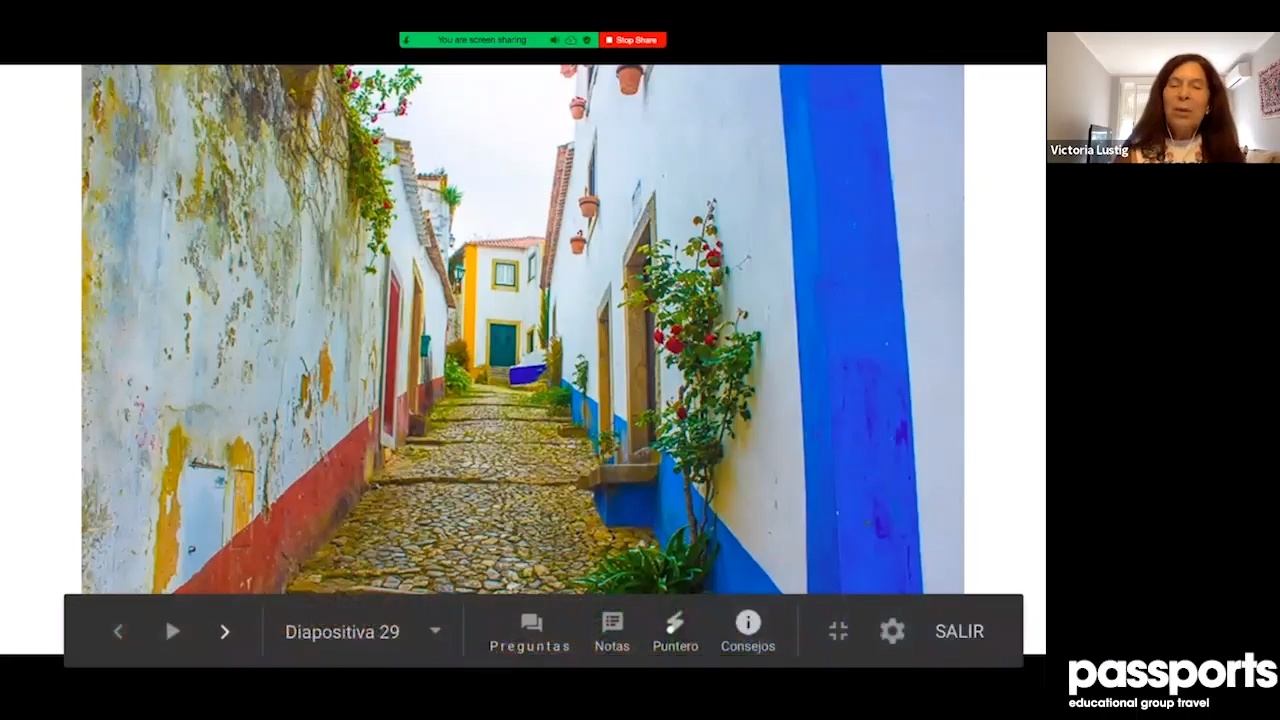
Portugal: Small Space, Big Nation — Passports Tour Director lecture
Victoria LustigOther

Portugal: Small Space, Big Nation

Visit the easygoing and beautiful country of Portugal - a safe and stable country with interesting architecture, history, landscapes and food.

Watch lecture
From our blog

Blog posts about Portugal

See all →
Budget-Friendly Educational Travel: Smart Tips for Teachers Planning Student Trips
for group leaders

Budget-Friendly Educational Travel: Smart Tips for Teachers Planning Student Trips

Teachers can plan budget-friendly student tours through early booking, cost-conscious destinations, smart itineraries, and fundraising strategies that engage students and families

Read post
Europe’s Most Beautiful Libraries and Bookstores
destinations

Europe’s Most Beautiful Libraries and Bookstores

Europe's most stunning libraries and bookstores span Dublin's Long Room to Paris's Shakespeare and Company — each a landmark of architecture, history, and literary culture

Read post
Hidden Gems of Western Europe: Off-the-Beaten-Path Destinations
destinations

Hidden Gems of Western Europe: Off-the-Beaten-Path Destinations

Eight off-the-beaten-path Western European cities offer rich history, stunning scenery, and authentic culture away from the crowds — from Colmar's fairy-tale streets to Ljubljana's vibrant old town

Read post
Top 10 Literary Destinations in Europe
destinations

Top 10 Literary Destinations in Europe

Europe's top literary destinations span ten cities, from Shakespeare's Stratford-upon-Avon to Joyce's Zurich, each offering author museums, landmarks, and cultural history

Read post
Discovering Cascais: Top Attractions and Hidden Gems
destinations

Discovering Cascais: Top Attractions and Hidden Gems

Cascais, Portugal offers student travelers a mix of historic museums, scenic beaches, local seafood, and cultural festivals. Here are the top attractions and hidden gems in this coastal town

Read post
Lisbon Walking Tour: A Step-by-Step Guide to Portugal's Sun-Kissed Capital
destinations

Lisbon Walking Tour: A Step-by-Step Guide to Portugal's Sun-Kissed Capital

This guide walks you through a full day in Lisbon, covering Alfama, Baixa, Chiado, Bairro Alto, and Belém with stops at top landmarks and local dishes

Read post
On the ground

Places we go

Browse all destinations →
Golden Algarve cliffs above an Atlantic cove at Albufeira

Albufeira, Portugal

Albufeira student group travel for teachers: Algarve cliffs, the Moorish Old Town, and Atlantic marine science — educational tours for high school group trips.

Yellow tram climbing past tiled rooftops above the Tagus river in Lisbon, Portugal

Lisbon, Portugal

Lisbon student group travel for teachers: tram 28, Belém Tower, Alfama miradouros — an educational travel guide to Portugal's capital for high school groups.

Colorful tile-fronted houses tumbling down to the Douro river along Porto's Ribeira waterfront

Porto, Portugal

Porto student group travel for teachers: Ribeira, port wine cellars, Livraria Lello — an educational travel guide to northern Portugal for high school groups.

Take your students to Portugal.

Every Passports trip is built around a teacher and a group — from first itinerary sketch to the last day on the ground. Tell us what you have in mind and we’ll take it from there.

Plan a trip