- RegionAlgarve, Portugal
- LanguagePortuguese
- CurrencyEuro (€)
- Best seasonApr - Jun, Sep - Oct
- TimezoneWestern European Time (UTC+0)
A quick introduction
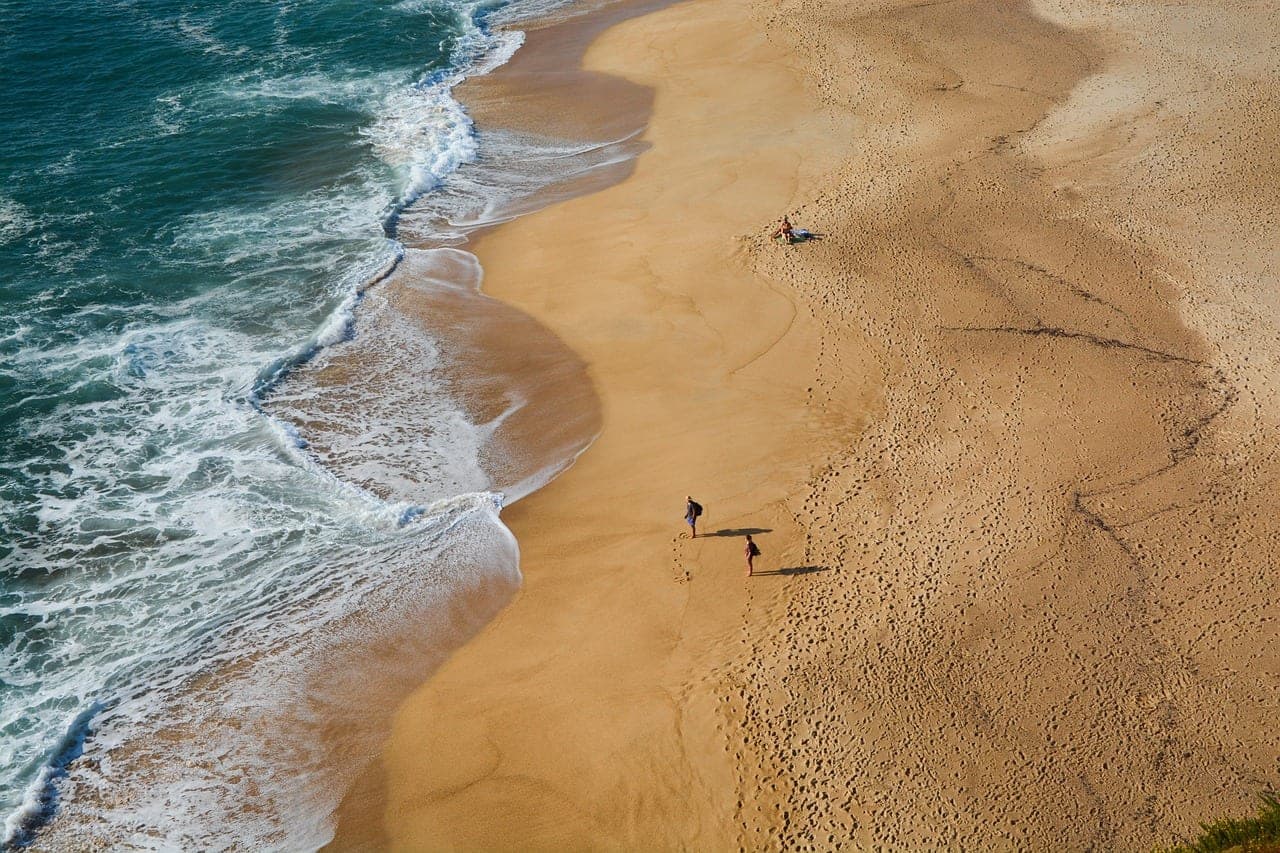
Albufeira is on Portugal's Algarve — the country's southern coast, where the Atlantic has spent a few million years carving ochre limestone into cliffs, sea arches, and hidden coves. The town itself is about 40,000 people year-round, perched above a crescent beach roughly 40 minutes west of Faro airport. The name is older than it looks: "Al-Buhera" is Arabic for "lagoon" or "castle on the sea," a holdover from four centuries of Moorish rule that ended in 1249 when the Portuguese crown retook the town. The whitewashed Old Town, cobbled and narrow and stacked above the beach, still follows the Moorish street grid.
For a student group, the draw is a three-way overlap that's hard to match anywhere else in Europe: world-class coastal geology, a walkable Moorish-era historic core, and an Atlantic marine-science angle (rockpools, sea caves, ongoing coastal erosion you can watch happen). Albufeira pairs cleanly with Lisbon and Sintra on a Portugal educational travel itinerary and gives a high school group trip the beach-science day that a pure city tour can't. A note for teachers scouting online: the resort strip north of town is a package-tourism zone and is not where a Passports teacher-led group spends its time. The Old Town is the anchor, and everything in this guide points there.
Top things to see and do


When to go
- Apr - Jun — spring sweet spot
The ideal window for educational tours to the Algarve. Daytime highs climb from 20°C in April to 26°C in June, water temperature stays in the cool-but-swimmable 17-19°C range, wildflowers carpet the inland hills, and the resort strip hasn't filled up yet. This is the season teacher-led tours target for a reason.
- Jul - Aug — peak heat, peak crowds
Daytime highs 28-32°C, UV index consistently "extreme" by midday, and the beaches and Benagil cave boats fully booked. Workable for summer student groups if every activity is pre-reserved and the marine-science stops happen before 11 AM, but not the first-choice window.
- Sep - Oct — shoulder-season gold
The best-kept secret on the Algarve. Air temperatures drop to 22-26°C, the Atlantic has warmed to its summer peak (20-21°C), crowds thin out sharply after the second week of September, and the grape and fig harvests are in. A September high school group trip to Portugal will typically pair Lisbon with three days on the Algarve in this window.
- Nov - Mar — mild Atlantic winter
Not really winter by US standards — daytime highs 15-18°C, the famous 300+ sun days stretch right through December, and the coastal walks are quiet and cool. Expect occasional Atlantic storms and 8-10 rainy days a month. A strong choice for interim-term school group tours focused on geology and history rather than beach time.
Food and culture

Cataplana de marisco
Seafood stew named for the clamshell-shaped copper pan it's cooked in — clams, prawns, white fish, chouriço, tomato, and white wine. The signature Algarve dish; typically sized for two to three.

Sardinhas grelhadas
Fresh Atlantic sardines, salted heavily, grilled whole over charcoal, and eaten off the bone with bread and boiled potatoes. Summer is peak sardine season; the smell carries blocks in the Old Town.

Bacalhau à brás
Salt cod shredded with onions, matchstick potatoes, and scrambled eggs. One of the "365 ways to cook bacalhau" Portuguese grandmothers claim — the entry-level, universally-liked version for a student group.

Arroz de marisco
A soupy seafood rice — closer to risotto than paella — loaded with clams, prawns, mussels, and crab. Portugal's most popular Sunday-lunch dish on the coast, and a cleaner introduction to Portuguese seafood than cataplana for first-timers.

Pastéis de nata
The national custard tart — caramelized top, puff-pastry shell, custard set just enough to hold a spoon. Served warm from the oven, dusted with cinnamon and powdered sugar. Every group goes back for a second one.
What to pack
- Documents
Passport valid 6+ months past travel date, two printed copies (one for the student, one for the Tour Director's file), insurance card, and the Passports group packet. No visa required for US citizens on a stay under 90 days in the Schengen area.
- Clothing
Lightweight layers are the move. Days can run 26°C in the sun and 16°C in the Atlantic breeze three hours later; a packable fleece or long-sleeve for mornings and evenings solves it. Modest cover (shoulders and knees) for the Igreja de São Sebastião and any inland church visit.
- Footwear
Broken-in walking shoes with grip — the Albufeira Old Town is traditional calçada portuguesa (hand-cut limestone cobbles) polished slick by foot traffic. A second pair of water shoes or sturdy sport sandals earns its weight on the Fisherman's Beach rockpool walk and any Benagil boat day.
- Atlantic sun protection
The Algarve gets 300+ sun days a year and the UV index runs two to three points higher than a US student will expect. Broad-brim hat, polarized sunglasses, and a long-sleeve rashguard for tidepool and boat days. Burns that look minor at 11 AM can land a student out of the next day's activity by dinner.
- Reef-safe sunscreen
Standard SPF 30-50 is widely available in Portuguese pharmacies, but for the Benagil cave boat day and any tidepool stop, pack a reef-safe (non-oxybenzone, non-octinoxate) sunscreen from home. Algarve marine protected areas are increasingly strict about what washes off into the water.
- Tech
Portugal uses Type C / F plugs (European two-prong) — bring a universal adapter. A portable battery covers long coastal-walk days. T-Mobile and Google Fi work out of the box; others should grab a MEO, NOS, or Vodafone eSIM on arrival at FAO.
Is it safe?
Yes — Portugal is one of the safest countries a school group can go to. The US State Department rates Portugal at Level 1 ("exercise normal precautions"), the lowest of its four advisory tiers, an assessment it rarely hands out in Europe. The Global Peace Index has ranked Portugal in the world's top seven safest countries for a decade running. Violent crime against travelers is genuinely rare; the petty-crime footprint in Albufeira sits in the resort strip north of town, not in the Old Town where a Passports group actually spends its days. The one real student-group note isn't crime at all — it's Atlantic water safety, specifically rip currents on Algarve beaches.
On a Passports teacher-led trip, a Tour Director travels with the group every day, we use a private coach for every transfer and day-trip (Benagil, Lagos, Paderne), every hotel is pre-vetted for 24-hour reception and secure room storage, and every beach day is run only on lifeguarded stretches in flagged swim zones. We operate a 24/7 emergency line out of Boston, keep parents on a daily-update channel, and have English-speaking medical contacts lined up in every city we visit. For most teachers running their first student group travel to Portugal, the logistics feel easier than a domestic field trip.
Practical tips
- Eurozone and contactless by default
Portugal is on the euro and contactless card and phone payment is near-universal, even at beach cafés. A small amount of cash helps at the odd village bakery or market stall inland, but students rarely need to change money beyond the airport.
- Tipping is low-key
Portuguese tipping culture is softer than the US — rounding up to the next euro at a café, 5-10% at a sit-down dinner for good service. No service charge is typical. The couvert (bread, olives, small plates brought to the table) is not free; send it back if the group doesn't want it.
- Cobblestones everywhere
Traditional calçada portuguesa paving is beautiful, historic, and slick when wet. Sensible walking shoes with real grip are non-negotiable for the Old Town descent to Praia dos Pescadores and any day with morning rain.
- Portuguese first, English second
English is widely spoken in the Algarve tourism trade and almost universally under 40, but the polite move is still to open in Portuguese — bom dia, boa tarde, obrigado (male) / obrigada (female). Students who try get visibly warmer service.
- Lean on your Passports Tour Director
Every Passports educational travel itinerary to Portugal includes a full-time Tour Director who handles coach logistics, restaurant reservations, beach-day flag checks, and the Benagil boat booking. Teachers lead the learning; we run the ground operations.