- RegionCentral Valley, Costa Rica
- LanguageSpanish
- CurrencyCosta Rican colón (CRC)
- Best seasonDec - Apr (dry season)
- TimezoneCentral Standard Time (UTC-6)
A quick introduction
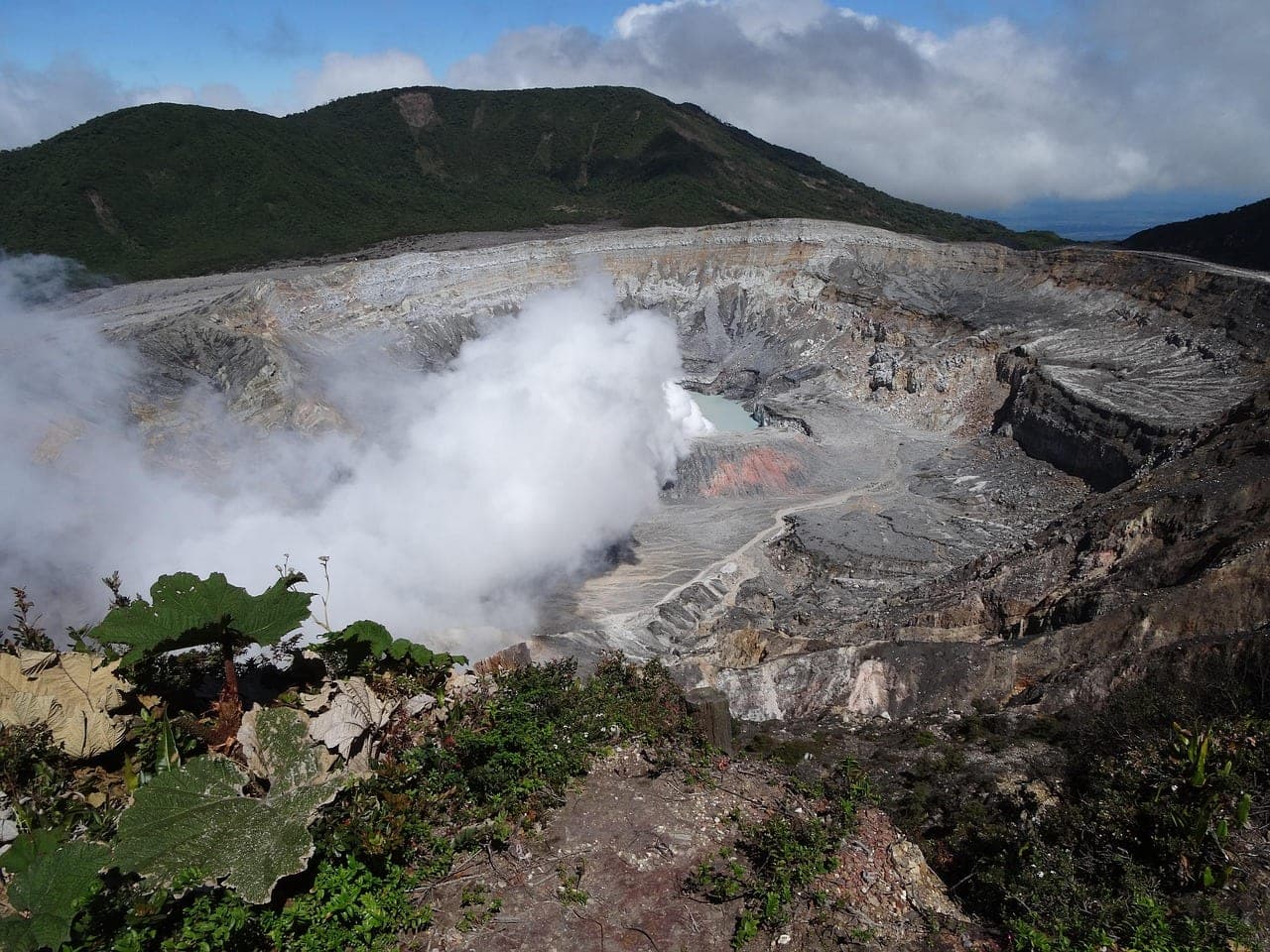
San José sits at 1,170 m in the middle of the Central Valley, ringed by four volcanoes — Poás, Irazú, Barva, and Turrialba — and home to about a third of Costa Rica's 5.2 million people. It was founded in 1738, became the capital in 1823 after the country's coffee economy made it the wealthiest town in the region, and the coffee money is still legible in the architecture: the National Theater, the Yellow House, the Old Customs Building, and a stretch of restored mansions in Barrio Amón all date from that boom.
For a Costa Rica student group trip, San José is the arrival city and the cultural counterweight to the rainforest week that follows. Most of our high school group itineraries land at SJO, spend a half or full day in the capital — National Theater, Pre-Columbian Gold Museum, a coffee-farm orientation on the slopes above town — and then board a private coach for Arenal or Monteverde. The day in San José is what grounds the rest of the trip in modern Costa Rica before the educational travel pivots to ecology. Teacher-led tours that skip the capital miss the civics half of the curriculum.
Top things to see and do


When to go
- Dec - Apr — dry season, the school-group window
Daytime highs 24-27°C, low humidity, almost no rain. December through April is when most of our high school group trips land in San José, and the city is at its easiest — clear afternoons, working volcano viewpoints, and full coffee-tour schedules. Book well ahead for Easter week (Semana Santa).
- May - Aug — green season, summer groups
Mornings reliably dry, afternoon showers from about 2 PM — usually 30-60 minutes and then it clears. The Central Valley stays comfortable (22-26°C). This is the main summer educational travel window for student groups whose calendars don't open up at spring break, and the lighter crowds at the museums are a real upside.
- Sep - Oct — wettest months, skip
September and October are the rainiest stretch in San José, and the road from the capital to Monteverde and Arenal sees occasional washouts. We don't typically run school group travel through this window for that reason.
- Nov — green-to-dry transition
The shoulder month. Showers taper off through November and the hillsides are still fully green from the wet season. A good Thanksgiving-week option if your school calendar allows it, though hotel inventory tightens around US holidays.
Food and culture

Gallo pinto
Rice and beans cooked together with bell pepper, onion, and Lizano sauce. It is breakfast in San José — every soda, every hotel buffet, every day. Order it with eggs and a side of fried plantain.

Casado
The default lunch plate in the capital: rice, black beans, fried plantain, cabbage salad, and a protein (chicken, fish, or beef). Cheap, filling, and on every menu in the Mercado Central.

Chifrijo
Rice, beans, fried pork rinds, fresh salsa, and tortilla chips, stacked in a bowl. Afternoon bar snack invented in San José in the 1980s. Always a hit with a student group once the first kid orders one.

Olla de carne
The slow-cooked Sunday beef-and-root-vegetable stew — yuca, plantain, chayote, corn, and a hunk of beef in clear broth. Sodas in San José run it as the weekend lunch special.

Café chorreado
The traditional Costa Rican pour-over: ground beans in a cloth sock suspended in a wooden stand. Slow, dark, and the right way to drink Central Valley coffee. Order it at any old-school cafetería.
What to pack
- Documents
Passport valid 6+ months past travel date, two printed copies (one for the student, one for the Tour Director's file), insurance card, and the Passports group packet. No visa required for US citizens staying under 90 days.
- Clothing
Layers for the 1,170 m altitude — daytime is t-shirt weather, but San José evenings drop to 16-18°C and a light fleece earns its place in the daypack. Quick-dry over cotton if any rainforest stops follow. No formal dress code for the museums or theaters.
- Footwear
Broken-in walking sneakers for the downtown-museum days; San José's sidewalks are uneven and a school group will log 8,000-10,000 steps. If the trip continues to Arenal or Monteverde, add light trail runners and a pair of sandals.
- Rain gear
A lightweight, packable rain jacket — even in the dry season, late-afternoon showers blow through the Central Valley once or twice a week. Skip the poncho; it shreds. A small umbrella works for short downtown walks.
- Tech
US plugs (type A/B) work in Costa Rica — no adapter needed. A portable battery is worth its weight on full museum days. T-Mobile and Google Fi work out of the box; other carriers should pick up a Kolbi prepaid SIM or eSIM at SJO airport on arrival.
- Extras
Reusable water bottle (San José tap is safe to drink), reef-safe sunscreen (the highland sun is stronger than students expect at the equator), a small daypack for the museum loop, and small USD bills for tipping at the hotel and on the coffee-tour stop.
Is it safe?
Yes. Costa Rica carries a US State Department Level 1 advisory ("exercise normal precautions") — the same rating as Japan, Norway, or Switzerland — and San José specifically is one of the safer capitals in Central America. The actual risk profile is petty theft, not violent crime: pickpocketing in the Mercado Central, around the Coca-Cola bus station, and on the Avenida Central pedestrian strip after dark. The countermeasures are the standard student group travel ones — cross-body bags worn in front, phones off café tables, and a buddy system any time the group splits.
On a Passports teacher-led trip, the group is never on public transport in San José, never out of sight of a named Tour Director who stays with the group 24/7 for the full week, and never lodged anywhere we haven't pre-vetted for 24-hour reception and secure room storage. We operate a 24/7 emergency line out of our Boston HQ, keep parents on a daily-update channel, and have English-speaking medical contacts on call in the capital. For most teachers leading school group tours to San José, the on-the-ground logistics feel easier than a domestic field trip.
Practical tips
- Tico time runs slow
Meetings, meals, and group transfers in San José start 10-15 minutes late as a rule. Build buffer into the day, don't cram activities back-to-back, and use the slack as decompression time after a long museum block. The pace is a feature, not a bug.
- USD and colones both work
US dollars are accepted at hotels, larger restaurants, and tourist sites in San José; colones are easier at sodas, the Mercado Central, and for small tips. Bring small USD bills ($1 and $5). Cards are fine everywhere the Tour Director takes the group.
- Spanish helps but isn't required
English is widely spoken in hotels and at the major museums; once the group is at the Mercado Central or in a soda, it's Spanish. A bilingual Tour Director stays with the group for the full week, and high school Spanish students get genuine immersion practice.
- Addresses don't use street numbers
Costa Ricans navigate by landmarks and meters — "200 meters east of the old fig tree, then 100 south." Even Uber drivers ask for a landmark. Not a problem for a teacher-led trip on a fixed coach schedule, but it surprises students the first time they hear it.
- Lunch is the real meal
Costa Rican meal rhythm puts the heavy plate at midday — casado at 12:30, lighter dinner. Plan museum mornings, big lunch, and a shorter afternoon block. Students who load up at lunch make it through the rest of the day without a 4 PM crash.