- RegionCentral America
- LanguageSpanish
- CurrencyCosta Rican colón (CRC)
- Best seasonDec - Apr (dry season)
- TimezoneCentral Standard Time (UTC-6)
A quick introduction
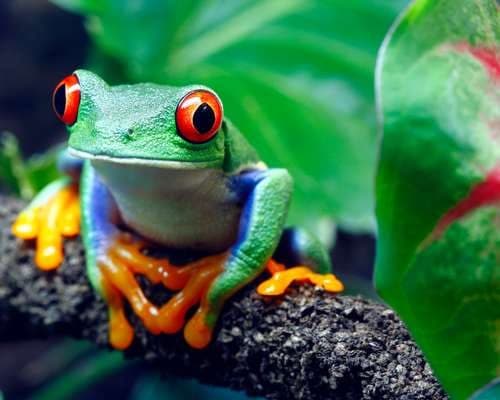
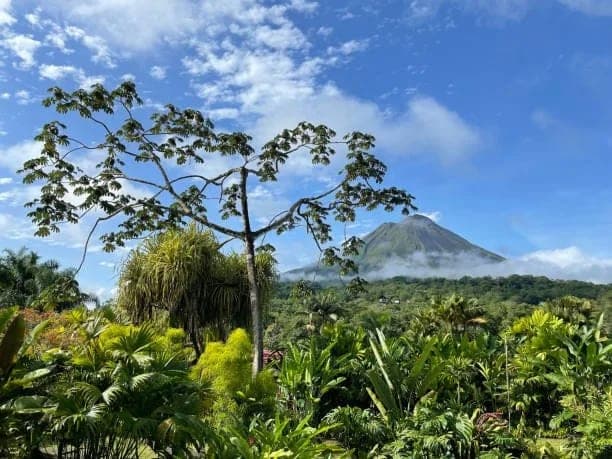
Costa Rica is small — 51,100 km², roughly the size of West Virginia — with a population of about 5.2 million and a capital, San José, that sits at a comfortable 1,170 m in the Central Valley. It's also home to close to 5% of the world's catalogued biodiversity. For a student group, that density is the whole point: a week on the ground threads an active volcano, a cloud forest, and a Pacific beach without a single long travel day, and the ecology curriculum is hands-on in a way that classroom work can't touch.
Costa Rica is the most-booked Latin-American destination in our educational travel catalog, and for a lot of teachers it's the first international trip they've ever led. That's not an accident. The infrastructure is built for tourism, English is widely spoken at hotels and activity operators, there's no altitude acclimatization or malaria prophylaxis to plan around, and the curricular fit cuts across environmental science, Spanish language, history, and global studies. If you're weighing Costa Rica against a European alternative for a first high school group trip, the logistical runway here is shorter by a wide margin.
Costa Rica by the numbers
A week with a Passports group
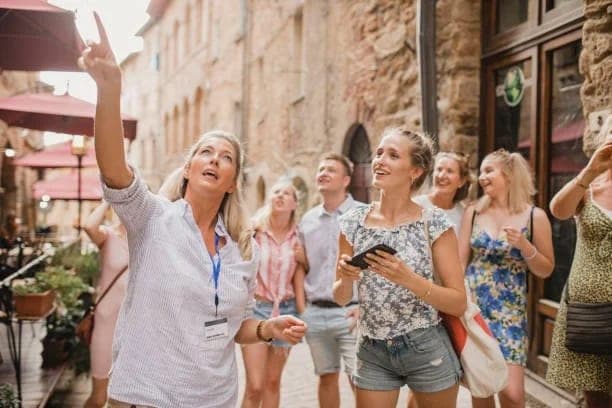
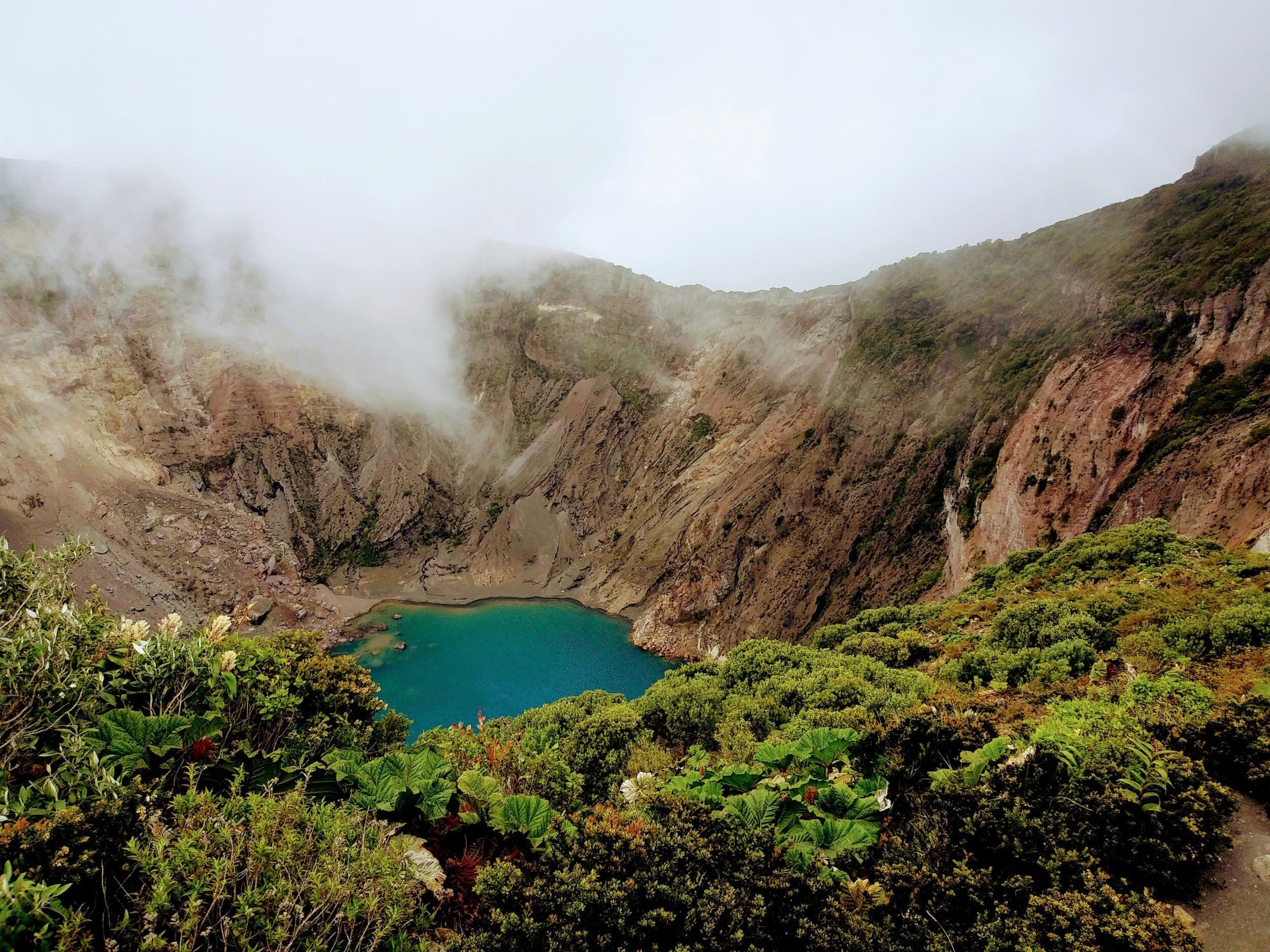
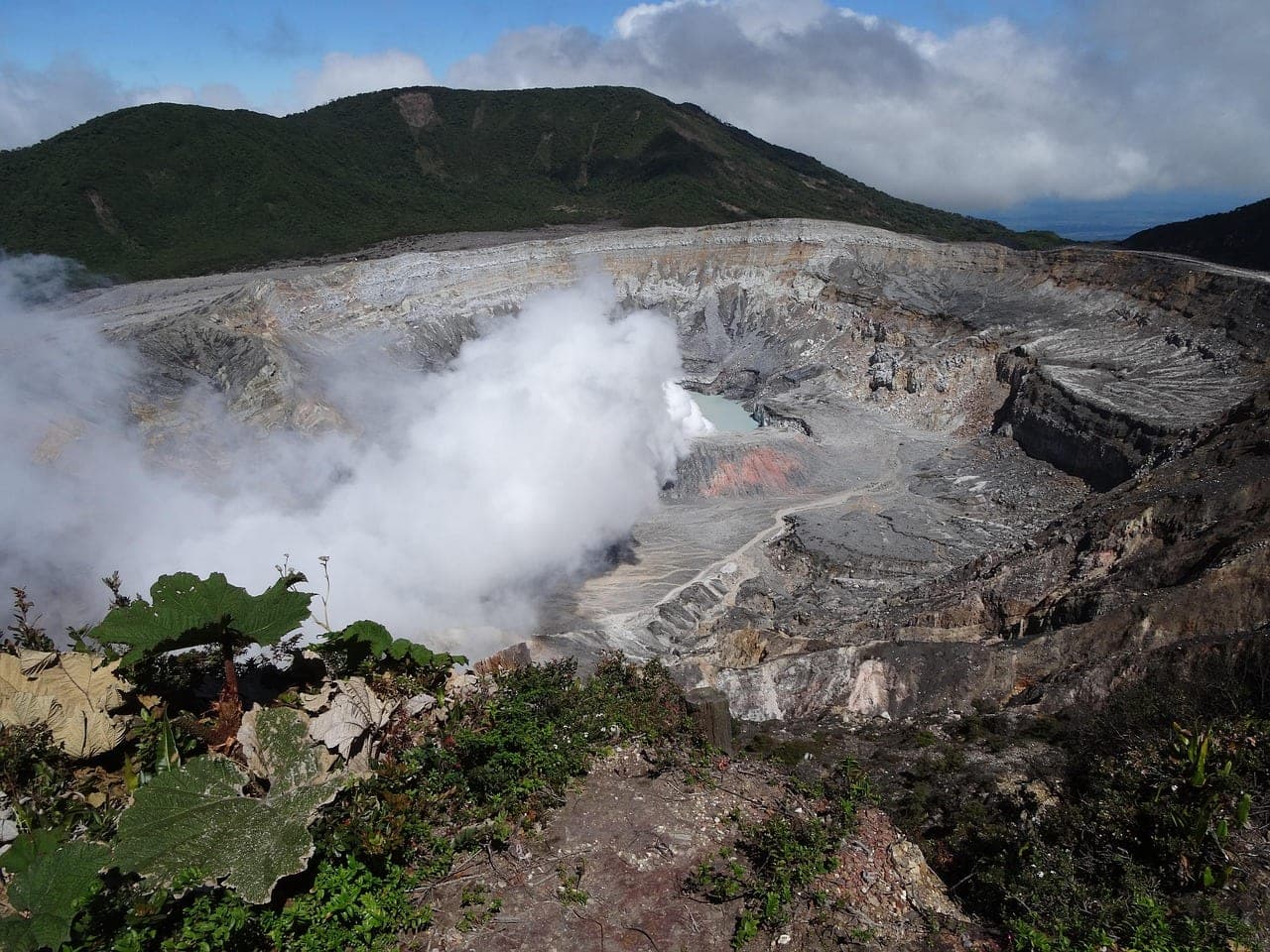
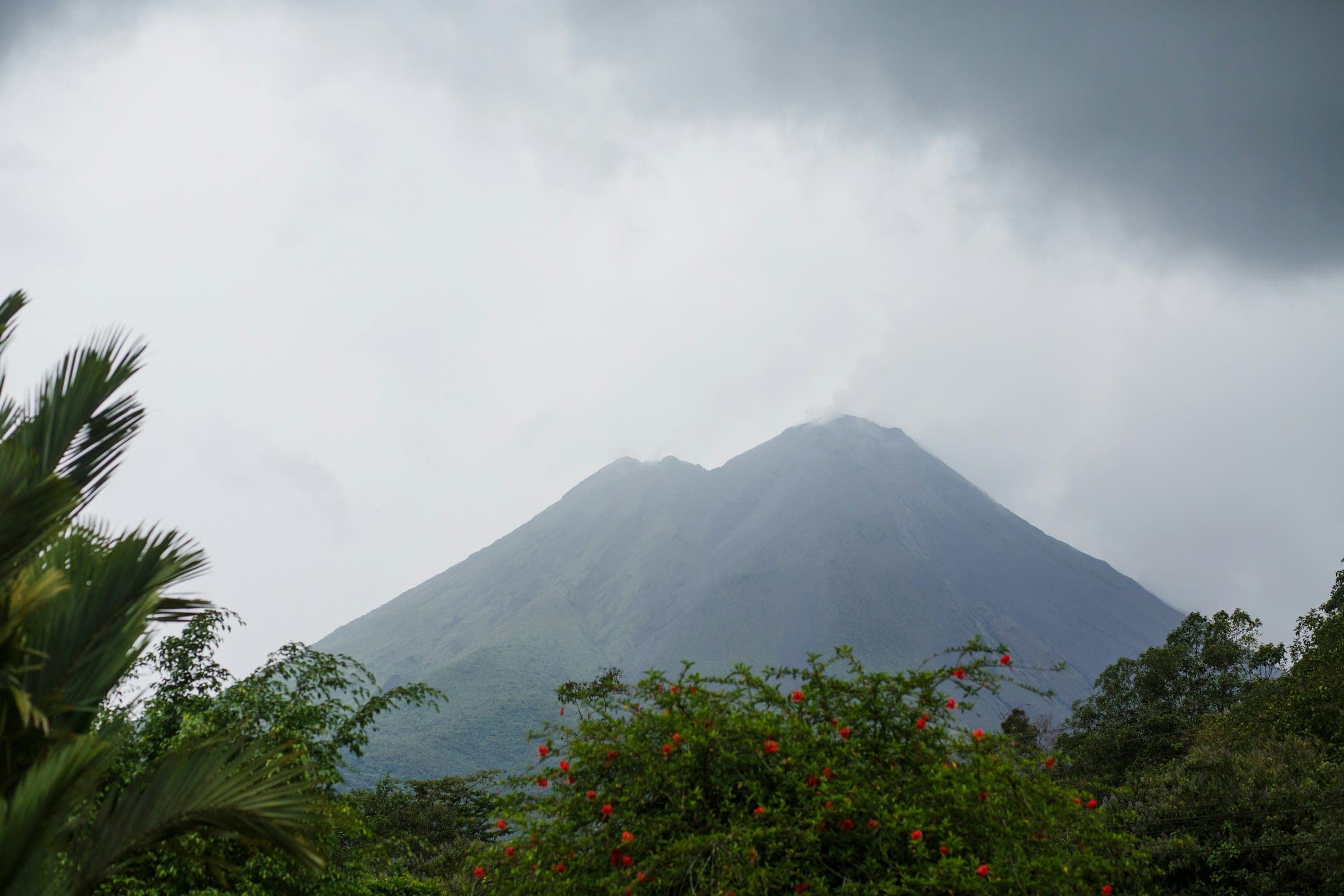
A typical Passports high school group trip to Costa Rica runs seven to ten days and lines up beautifully for April, June, or late July — the three windows most school calendars open up. Day one is San José: arrival, a coffee-farm orientation, dinner with the Tour Director who stays with the group for the full week. Day two the group boards a private coach north to Arenal, where the afternoon lava-flow hike and the evening hot springs erase whatever jet lag is left.
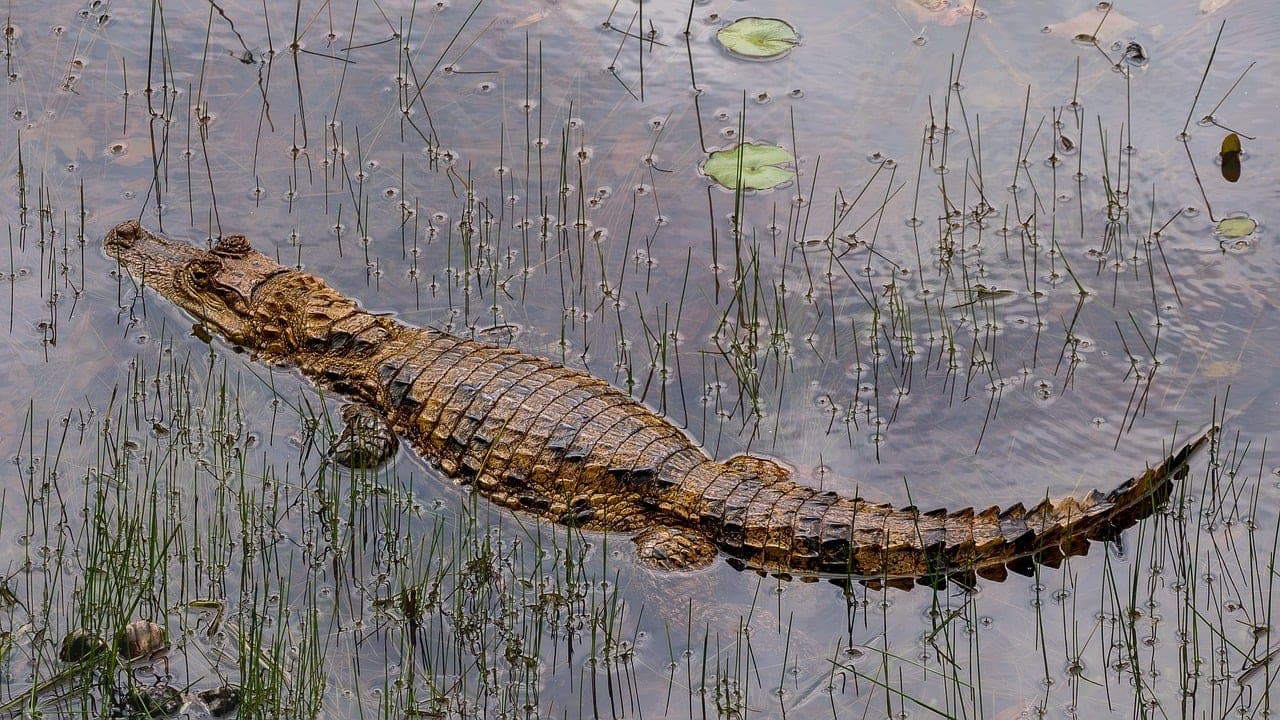
The middle of the week is the heart of the curriculum. Monteverde's cloud forest with a naturalist guide, hanging-bridge walks through the canopy, and a zip-line day if the group has energy for it. A transfer day to the Pacific coast lands the group at Manuel Antonio or Guanacaste for rainforest-meets-beach ecology, sloth spotting, and a free afternoon that students consistently rank as the trip's best surprise.
We've run student group travel to Costa Rica for enough years that every moving part has a backup plan: volcano closed for gas levels, road washout in the rainy season, a student with dietary restrictions nobody mentioned until the first lunch. The educational travel piece is real — most itineraries include at least one service-learning component, a homestay night for longer programs, and debrief journaling time built into the schedule — but the part teachers remember is that the logistics simply work.
Top things to see and do


When to go
- Mar - May — dry season sweet spot
The end of dry season and the most popular window for spring-break school groups. Daytime highs 28-32°C on the Pacific coast, cooler in the highlands. Trails are dusty, rivers run lower, and visibility at the volcanoes is best before the afternoon clouds build.
- Jun - Aug — green season, summer groups
Afternoon showers are the rule — 30-60 minutes most days, then clear again. Mornings are reliably dry. Rainforest is at its greenest; wildlife spotting is excellent. This is the main summer-break window for educational travel and a favorite for our longer itineraries.
- Sep - Nov — wettest months, skip for groups
September and October are the rainiest months, especially on the Caribbean side. Roads to Monteverde and Arenal can close briefly from washouts. We don't typically run school group travel during this window.
- Dec - Feb — peak tourism, coolest evenings
High-season prices and crowds at the Pacific beaches. Highland evenings in Monteverde drop to 12-14°C — a fleece matters. Tight fit for US school calendars but works for January interim terms.
Food and culture

Gallo pinto
Rice and beans cooked together with bell pepper, onion, and Lizano sauce (the local Worcestershire-adjacent condiment). It is breakfast. Every day.

Casado
The default lunch plate: rice, black beans, plantains, cabbage salad, and a protein. Cheap, filling, available at every soda (family-run diner).

Chifrijo
Rice, beans, fried pork rinds, salsa, tortilla chips. Afternoon bar snack. A student-group favorite once the first brave eater orders one.

Tropical fruit & frescos
Pineapple, mango, papaya, passion fruit, guanabana. Fresh juices (frescos) are on every menu — safer than US orange juice and twice as good.

Costa Rican coffee
Grown on the volcanic slopes of the Central Valley. A coffee-farm tour is an easy half-day activity that pairs well with a shorter travel day.
Classroom connections
What to pack
- Documents
Passport valid 6+ months past travel date, two printed copies (one for the student, one for the Tour Director's file), insurance card, and the Passports group packet. No visa required for US citizens staying under 90 days.
- Clothing
Quick-dry synthetic or merino over cotton — it rains, you sweat, and cotton stays wet. Pack layers: a fleece for Monteverde evenings, a light sweater for evenings on the coast, and a swim suit for hot springs. No dress code concerns for most activities.
- Footwear
Broken-in trail runners or light hiking shoes for the volcano and cloud-forest hikes, closed-toe water shoes for waterfalls and river crossings, sandals or flip-flops for the hot springs and the beach. Three pairs, all worn in before departure.
- Rain gear
A lightweight, packable rain jacket (not a poncho — they tear and don't breathe). A dry-bag or zip-locs for phone and camera during canopy walks and rafting.
- Tech
US plugs (type A/B) work in Costa Rica — no adapter needed. A portable battery is worth its weight on long activity days. T-Mobile and Google Fi work out of the box; other carriers should pick up an eSIM or a prepaid Kolbi SIM on arrival.
- Extras
Reef-safe sunscreen, DEET insect repellent, motion-sickness tablets (mountain roads), a reusable water bottle (tap is safe in all our stops), and a red-light headlamp for night wildlife walks if the itinerary includes one.
Is it safe?
Yes. Costa Rica is consistently one of the safest countries in Latin America and the US State Department rates it Level 1 ("exercise normal precautions"), the same rating as Japan, Norway, or Switzerland. Petty theft in tourist areas is the main risk profile — not violent crime — and the countermeasures are the same as for a school group traveling anywhere: valuables in the hotel safe, buddy system in markets, and the Tour Director running a pre-departure briefing on the first night.
On a Passports teacher-led trip, the group is never on public transport, never splits up without a defined meetup time, and never out of reach of a named Tour Director who stays with the group 24/7 for the full week. We operate a 24/7 emergency line staffed out of our Boston HQ, keep parents on a daily-update channel, and have pre-vetted English-speaking medical contacts in every region we visit. For most teachers leading school group tours to Costa Rica, the logistics feel easier than a domestic field trip.
Practical tips
- Pack for rain, even in dry season
Afternoon showers are routine December through April, and the green season (May–November) is genuinely wet. Lightweight rain jackets, quick-dry clothing, and waterproof bag covers beat ponchos.
- Tico time runs slow
Meetings, meals, and buses start 10–15 minutes late as a rule. Build buffer into the day and don't cram the last activity. The pace is a feature, not a bug — lean into it.
- USD and colones both work
US dollars are accepted at hotels, larger restaurants, and tourist activities; local colones are easier at sodas, markets, and for small tips. Bring small USD bills ($1 and $5). Cards are fine everywhere the Tour Director takes the group.
- Distances are short, roads are windy
San José to La Fortuna is 3 hours of mountain switchbacks; Monteverde is another 3 of gravel climbing. Hand out motion-sickness tablets at the start of each transfer and schedule a stretch stop halfway. Every Passports teacher-led trip uses a private coach with a professional driver, not a public bus.
- No altitude, no malaria, tap water mostly fine
The highest stop is Monteverde at 1,400 m — no acclimatization needed. No malaria prophylaxis required. Tap water is safe in all our stops; bottled is easy if a student prefers.