- RegionNew York, USA
- LanguageEnglish
- CurrencyUS dollar (USD)
- Best seasonApr - Jun, Sep - Nov
- TimezoneEastern Time (UTC-5)
A quick introduction
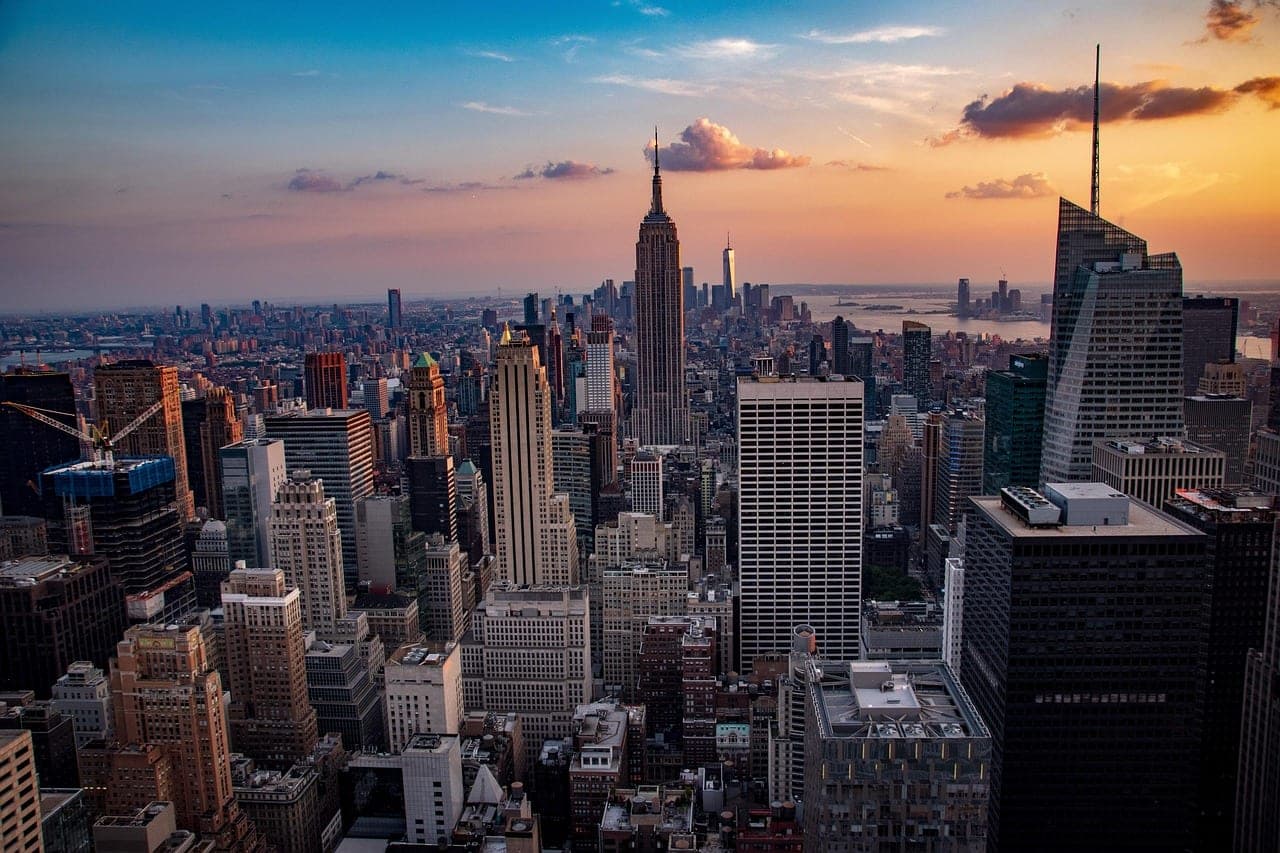
New York City is five boroughs, 8.3 million residents, and the densest concentration of art, finance, theater, and immigration history in the United States. Manhattan is the 13.4-mile granite island most school groups picture; the other four — Brooklyn, Queens, the Bronx, Staten Island — wrap around it and add another 24 million square feet of museums, parks, and food scenes. The city was founded as Dutch New Amsterdam in 1624, became British New York in 1664, and processed 12 million immigrants through Ellis Island between 1892 and 1954. The skyline is the curriculum.
For a US high school group trip, NYC is the most concentrated educational travel destination in the country. A teacher-led tour can hit the United Nations, the Tenement Museum, the 9/11 Memorial, a Broadway matinee, and the Metropolitan Museum of Art inside three days without leaving lower Manhattan and Midtown. Curriculum alignment runs deep: APUSH (Ellis Island, the Triangle Shirtwaist site, Harlem), AP US Government (the UN, federal court at Foley Square), AP Art History (the Met, MoMA, the Guggenheim), and English (the city as text — from Whitman to Hamilton). Student group travel doesn't get more layered than this.
Top things to see and do


When to go
- Apr - Jun — spring sweet spot
Highs climb from 60°F in April to the upper 70s by mid-June, cherry blossoms peak in Central Park the last week of April, and Broadway is in full Tony-Awards season through early June. The busiest window for eighth-grade NYC trips — book hotels, theater blocks, and UN tours four to six weeks out.
- Jul - Aug — heat, humidity, deals
Daytime highs run 85-92°F with thick humidity; the subway platforms can hit 100°F. Outdoor walking days are brutal but hotel rates drop, museums are open with full AC, and Shakespeare in the Park runs for free. If a school calendar forces summer educational travel, shift outdoor stops to early morning and bank the afternoon for the Met or MoMA.
- Sep - Nov — the underrated window
The shoulder-season favorite for teacher-led trips. Temperatures fall into the 60s and 70s, humidity breaks, Central Park lights up gold and red through the third week of October, and the UN General Assembly opens in mid-September (security is tight, but the energy is unforgettable). Crowds thin once the summer family window closes.
- Dec - Mar — holiday lights and cold
December is the Rockefeller tree, the Radio City Christmas Spectacular, and ice skating in Bryant Park — magical for a one-shot trip but rates spike. January through March is genuinely cold (highs in the 30s and 40s, occasional snowstorms) and museums run empty. A January high school group trip can move through the Met in 90 minutes flat.
Food and culture

The New York bagel
Boiled then baked, dense crumb, glossy crust. Order an everything bagel with cream cheese (a "schmear") and lox if the group is up for it. The classic spots — Russ & Daughters, Ess-a-Bagel, Tompkins Square — are worth a 20-minute line.

A slice of New York pizza
Wide, thin, foldable, sold by the triangle. The slice shop is the city's everyday lunch. Joe's in the West Village, Prince Street Pizza on Spring, Scarr's on Orchard — any of them deliver the template. Two slices and a fountain soda is the move.

Pastrami on rye at a deli
A hand-cut, 12-ounce mountain of cured beef on rye with mustard and a half-sour pickle. Katz's on Houston is the temple; 2nd Ave Deli is the runner-up. Split one between two students; nobody finishes a whole sandwich the first time.

The halal cart lunch
The yellow-and-red carts on every Midtown corner sell chicken-and- rice with white sauce, hot sauce, and shredded lettuce in a foam clamshell for around $10. The 53rd-and-6th cart is the original. Fast, filling, the unofficial lunch of working New York.

A Black-and-white cookie
Cake, not cookie — a soft round disc iced half vanilla, half chocolate. A bakery-counter standard since the early 1900s and the cleanest souvenir snack a student can carry on the coach.
What to pack
- Documents — REAL ID, plus passport for the UN
Domestic NYC travel doesn't need a passport for American students, but REAL ID has been mandatory for TSA-screened domestic flights since May 7, 2025 — every flying student and chaperone needs a star-corner driver's license, a US passport, or another TSA-accepted ID. The UN tour requires a government photo ID for entry, so a school ID alone won't get a student through security; bring the passport even if you're not flying.
- Clothing — layered, theater-appropriate
NYC weather swings 20 degrees in a day, and air-conditioned museums and theaters run cold. Pack layers in every season. For a Broadway matinee, smart-casual (no graphic tees, no athletic shorts) is the right tone — students don't need a jacket and tie, but the dress code is closer to "first day of school" than "Saturday at the mall."
- Footwear — NYC is a walking city
A Passports student group on a typical NYC day logs 14,000-18,000 steps on concrete. Broken-in sneakers — not new ones, not fashion flats — are the only footwear that survives the trip. Pack a backup pair; blisters are the most common medical complaint by day three.
- Tech — standard US, plus an OMNY-ready phone
Type A / B plugs and 120V, no adapter needed. Cell coverage is excellent on every carrier above ground; subway tunnels are still patchy, so download the MTA map offline. Apple Pay and Google Wallet tap-to-ride works at every subway turnstile and bus reader via the OMNY system — no MetroCard purchase required.
- Small extras that pull their weight
A compact umbrella (NYC weather turns fast), a refillable water bottle, a portable battery for full photo days, hand sanitizer for the subway, and tissues. A small notebook works well for groups doing a journaling assignment at the 9/11 Memorial or the Tenement Museum — both are emotional visits.
Is it safe?
Yes. The United States is at US State Department Travel Advisory Level 1 ("exercise normal precautions"), and NYC is statistically one of the safest large cities in the country — violent-crime rates in Manhattan run lower per capita than in most US suburbs. Parents of first-time NYC travelers often feel nervous; the honest answer is that the busy, lit, surveilled core of Manhattan that a school group actually walks through is consistently safer than the parking lot at a suburban mall. The realistic risks are pickpocketing in Times Square crowds, lost phones on the subway, and students getting separated from the group on a busy block.
On a Passports teacher-led trip, the group is never on the subway alone, the Tour Director runs a Day 1 muster-and-meeting protocol before anyone walks out of the hotel, and every hotel is pre-vetted for 24-hour reception, interior corridors, and a Midtown or near-Midtown location with safe street frontage. We operate a 24/7 emergency line out of Boston, keep parents on a daily-update channel, and have established medical contacts at NewYork- Presbyterian and NYU Langone. For most teachers running their first student group travel to NYC, the logistics feel easier than a DC trip — fewer security lines, denser itinerary, more flexible coach access.
Practical tips
- Coach drop-offs are tightly regulated
Most Manhattan blocks ban motorcoach idling and standing. Our Tour Director coordinates designated coach stops at the Javits Center, the Intrepid lot on the west side, and a handful of midtown side streets — students walk the last block or two in to a museum or theater. Don't expect a curbside drop at the venue door.
- The subway is the city, but ride it as a group
OMNY tap-to-ride works at every turnstile (no MetroCard needed), fares are $2.90 flat, and the system runs 24/7. The Tour Director walks the group on and off, counts heads at every transfer, and keeps the group on the same car. Students do not ride alone.
- Broadway etiquette — phones away, dress up
No phones, no photos during the show, no late seating until the first scene break. Smart-casual dress is the norm — students should not show up in pajama pants or athletic shorts. Most theaters run 2 hours 30 minutes including a 15-minute intermission; bag check is at the door and pre-show bathroom lines are 20 minutes.
- Crosswalks and the New York walk-pace
New Yorkers walk fast and cross against the light constantly. A student group should not. Use crosswalks, wait for the signal, and walk in pairs on the right side of the sidewalk — the right-side rule is the unwritten law that keeps Midtown sidewalks moving. Stragglers and clumps in the middle of the sidewalk get an earful.
- Tip 18-20%, tap-to-pay everywhere
Restaurant servers are tipped 18-20% on the pre-tax total; many checks now print suggested tip amounts at the bottom. Contactless payment is universal — Apple Pay, Google Wallet, or a chip card works at every cab, deli, and museum gift shop. Cash is rarely needed beyond the occasional halal cart.