- RegionNorth America
- LanguageEnglish
- CurrencyUS dollar (USD)
- Best seasonApr - Jun & Sep - Oct (shoulder seasons)
- TimezoneSix time zones, Eastern to Hawaii (UTC-5 to UTC-10)
A quick introduction
The United States is continental in every sense of the word — 9.8 million km², roughly two-and-a-half times the size of the European Union, with a population of about 335 million across 50 states, a federal district, and six time zones. The capital, Washington DC, sits on the Potomac; the other anchors of a school-group itinerary are scattered from Boston to San Diego with a thousand miles of continental diversity in between. The country runs from subtropical Florida to subarctic Alaska, holds 63 national parks and 25 UNESCO World Heritage sites, and packs more regional personality into a single country than most teachers expect.
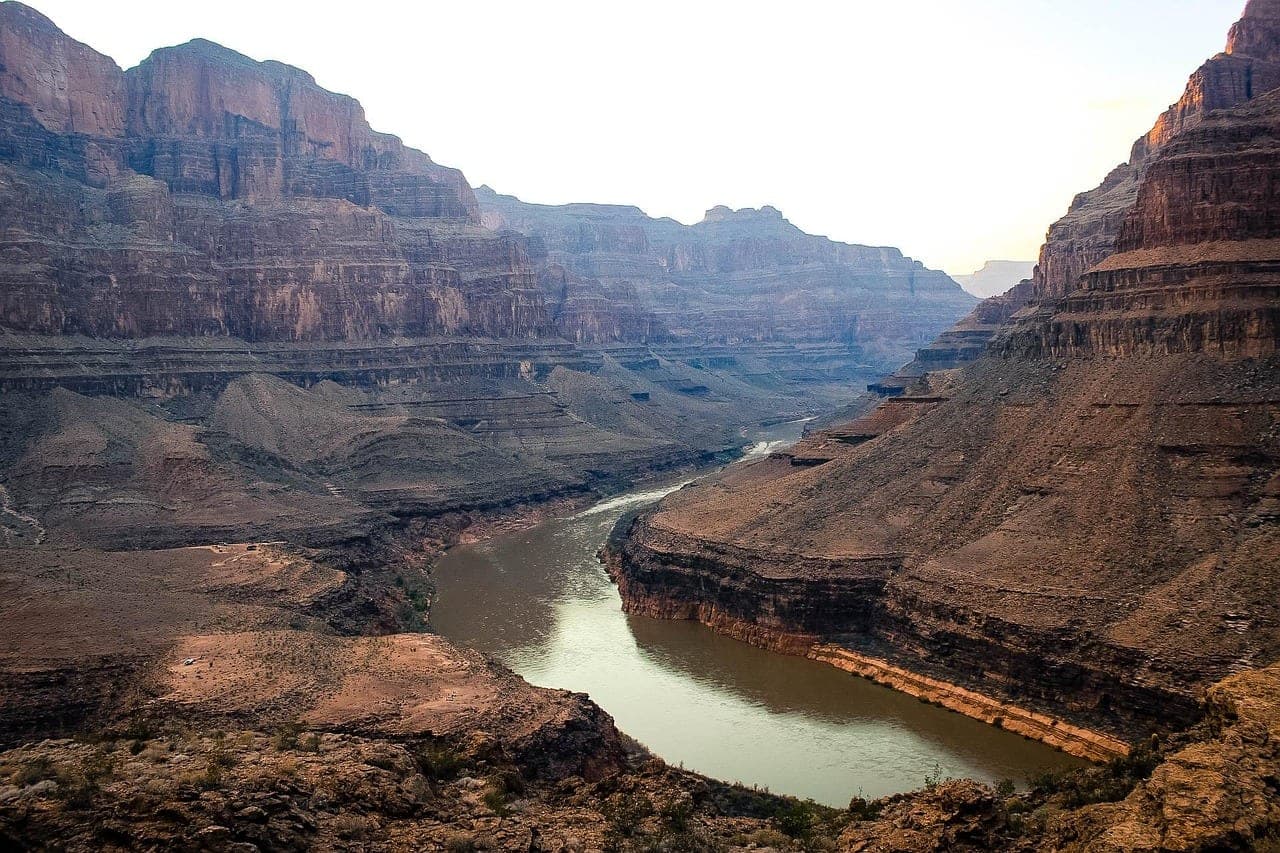
Domestic educational travel is the quiet workhorse of the US teacher calendar: no passport needed for American students, shorter travel days, and curriculum tie-ins that line up directly with the US history, civics, and earth-science sequences already on the syllabus. A Passports student group trip inside the US threads Revolutionary Boston, Civil War Gettysburg, Civil Rights Montgomery, and a Grand Canyon sunrise into a single teacher-led tour. For a lot of schools, a US field trip is the right answer for a first-year program, a budget-conscious group, or any year the international landscape feels complicated — and the educational tours we run here stand on their own, not as a consolation prize.
United States by the numbers
A week with a Passports group
The classic East Coast arc — Washington DC to Philadelphia to New York City — is the single most-requested US itinerary in our catalog, and a good illustration of how a domestic week actually flows. Day one lands in DC: airport pickup by a named Tour Director who stays with the group for the full week, an orientation walk past the White House and the Washington Monument, and dinner at a group-friendly spot in the Penn Quarter. Days two and three are the Smithsonian and the monuments — Air & Space, Natural History, American History, then an evening loop of the Lincoln, Jefferson, Vietnam, and MLK memorials in the order that hits hardest at dusk.
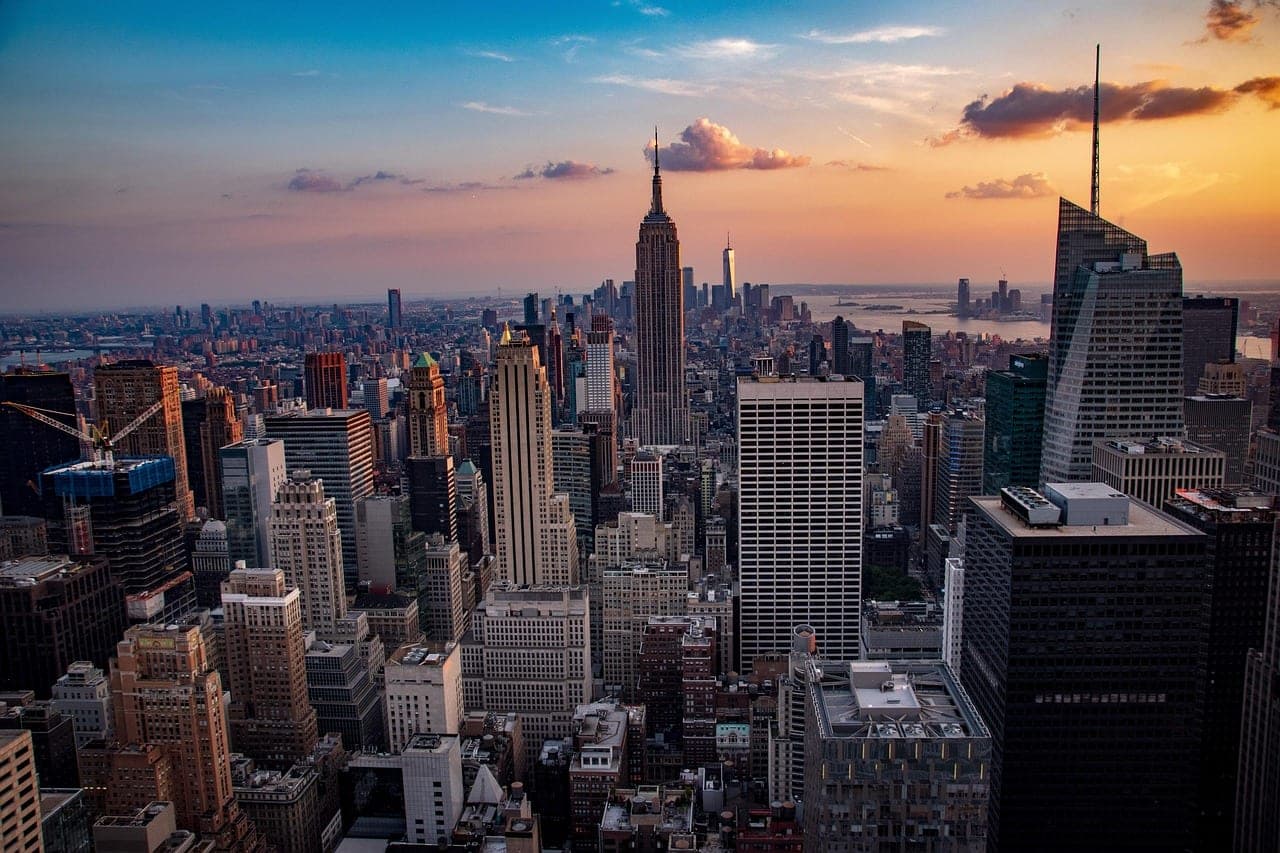
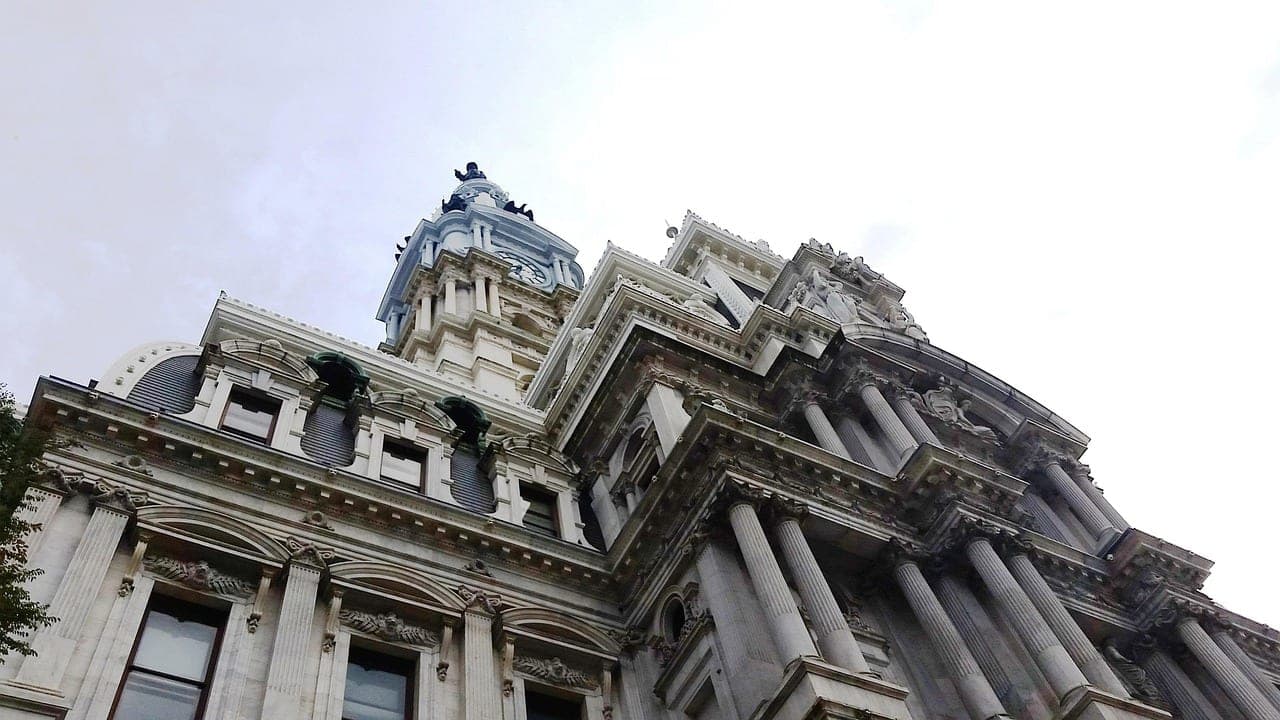
Day four the group boards a private coach north. A Gettysburg battlefield stop with a licensed guide threads a Civil War unit directly into the trip narrative, lunch in Philadelphia lands us at Independence Hall and the Liberty Bell, and the afternoon rolls into New York City on the Northeast Corridor or by coach. The middle of the week is Manhattan: Ellis Island and the Statue of Liberty, the 9/11 Memorial and Museum, a Broadway matinee, and a free afternoon in Times Square that students consistently rank as the trip's best surprise. A service-learning half-day — usually a community garden in Brooklyn or a soup-kitchen shift with a partner nonprofit — slots in on day six for longer itineraries.
We've run US student group travel long enough that every moving part has a backup plan: Capitol tour bumped for a floor vote, a Broadway show cancelled, a weather day at Gettysburg, a student who loses a phone at Penn Station. The educational tours piece is real — every itinerary includes guided primary-source work at museums, debrief journaling time built into the schedule, and service-learning options on longer programs — but what teacher-led groups remember most is that the logistics simply work, from the first coach pickup to the last airport drop.
Top things to see and do


When to go
- Mar - May — spring, the school-group sweet spot
Cherry blossoms in DC (peak late March), mild across the South and Southwest, still-cool New England. Shoulder pricing at hotels and flights. This is the single most-booked window for US educational travel and works with most spring-break calendars.
- Jun - Aug — summer, peak national-park season
Hot and humid in the Southeast and along the East Coast (30-35°C), dry and hot in the Southwest (can hit 40°C at Grand Canyon lows), pleasant in the Pacific Northwest and coastal California. National parks are at full staff and trail access is widest; crowds and hotel pricing peak in July.
- Sep - Nov — fall, our favorite for East Coast groups
New England foliage peaks in the first two weeks of October — plan Boston and the Freedom Trail to land then if you can. Mild across the South, still warm in California, drier in the Southwest. Strong shoulder-season pricing and thinner crowds at the monuments.
- Dec - Feb — winter, indoor DC and the Sun Belt
Snow and cold across the Northeast and Midwest; mild in Florida, the Southwest, and Southern California. DC works year-round because the Smithsonian is indoors and free. January interim terms and President's Day weeks slot in well for domestic student tours.
Food and culture

Barbecue
Regional and fiercely debated: Texas brisket, Memphis dry rub, Kansas City burnt ends, Carolina pulled pork with vinegar sauce. A BBQ lunch in Memphis or Kansas City is an easy cultural stop on a longer itinerary.

New England clam chowder
Creamy, potato-heavy, served in a sourdough bread bowl on the Boston waterfront. Pair with a lobster roll from Maine or Cape Cod for the full coastal lunch the Revolutionary-history week deserves.

Southern soul food
Fried chicken, collard greens, mac and cheese, cornbread, sweet tea. Memphis, Nashville, and Atlanta run a circuit of historic soul-food restaurants that anchor a Civil Rights Trail week.

New York pizza
Thin crust, foldable by the slice, cheap at a corner counter and reverent at the old-line spots. Pair a slice stop with a walk through Little Italy or the Lower East Side on a free NYC afternoon.

California farm-to-table
Avocado toast, farmers-market produce, fish tacos along the Pacific coast, In-N-Out if the group insists. Light, veg-friendly, and the easiest cuisine to handle a coach full of dietary restrictions.
Classroom connections
What to pack
- ID & documents
US citizens don't need a passport for domestic travel, but every student flying must have a REAL ID-compliant driver's license, state ID, or passport — this is enforced at TSA as of May 2025. Bring the Passports group packet, insurance card, and a printed emergency contact sheet. International students on the trip need passport + valid US visa or ESTA.
- Clothing — layers for a continent
The US spans subtropical to subarctic, so pack for the region plus one. A fleece and a light rain shell cover most East Coast weeks; add shorts and swim gear for the South and Southwest; bring layers for cool California mornings and Grand Canyon afternoons. No dress code concerns on any standard itinerary.
- Footwear — walking comes first
Broken-in walking shoes are non-negotiable — a DC museum day or an NYC subway-and-sidewalk day can run 8-10 miles. Add trail runners for any national-park week and a pair of sandals or flip-flops for pool days and hotel evenings.
- Weather gear
A packable rain jacket works year-round on the East Coast; a sun hat and electrolyte tablets matter in the Southwest summer. For winter Northeast groups, add gloves, a beanie, and a real coat — the monuments in January are no joke at sunset.
- Tech & phones
Native territory — US plugs (type A/B), US carriers, no adapters, no international roaming. A portable battery is worth its weight on park days and long museum walks. Encourage students to download offline maps of the city you're in before the subway eats their signal.
- Extras
Reusable water bottle (tap water is safe everywhere we go), sunscreen (Southwest + California + Florida), bug spray for summer New England and national-park evenings, motion-sickness tablets for winding park roads, and a small first-aid kit the Tour Director can backstop.
Is it safe?
Yes. The United States is rated Level 1 ("exercise normal precautions") by the US State Department's own advisory system and ranks alongside most of Western Europe on standard international indexes. For an American teacher-led group, the real safety questions aren't the ones that come up about foreign destinations — they're active-shooter protocols for group venues, the urban-versus- rural risk split, and transport logistics across a continent-sized country. We address each of them below, in plain English, because that's what parents actually ask at the info night.
On a Passports trip inside the US, groups travel by chartered private coach with a vetted professional driver, stay in hotels vetted for 24-hour front-desk staffing and interior-entry rooms, and never use public transit without a named Tour Director on point. Our Boston HQ runs a 24/7 emergency line for school group tours regardless of destination, and we keep parents on a daily- update channel for the duration of the trip. Most teachers find the parent-meeting safety conversation for a US trip is the easiest one they'll ever run — but we take it seriously anyway.
Practical tips
- Distances are continental
Boston to DC is a full travel day by coach; DC to the Grand Canyon is a flight. Every Passports US itinerary we build is regional — one to three adjacent states, a single coach company under contract, and at most one internal flight per week. Resist the temptation to cram a coast-to-coast dream trip into ten days.
- Tipping is built into the budget, not optional
Restaurant servers earn a sub-minimum tipped wage; 18-20% is the norm, not a bonus. Coach drivers, Tour Directors, and hotel bell staff are all customarily tipped — our group packets spell out the per-student amount so families aren't surprised at the end of the week.
- REAL ID and airport logistics
Every student flying needs a REAL ID-compliant ID at TSA since May 2025. Groups arrive at domestic airports 90 minutes before a flight; TSA PreCheck is fast but not required. International students in the group need passport + current I-20 or visa paperwork available, not just a driver's license.
- Six time zones, plan them in
Continental US spans four time zones (ET, CT, MT, PT), plus Alaska and Hawaii. A DC-to-LA coast-to-coast day loses three hours on arrival and cuts into first-day activities. For multi-region student group travel, build the jet-lag hour into the first evening rather than scheduling a 6 pm museum visit.
- Reservations book out fast
The White House, the Capitol, Independence Hall, and most national-park entry permits (Antelope Canyon, Half Dome, Angels Landing) book three to six months out. Our trips lock these at registration close — if a group is building an itinerary independently, front-load the reservation calendar before anything else.