- RegionVirginia (DC metro area)
- LanguageEnglish
- CurrencyUS dollar (USD)
- Best seasonApr - Jun, Sep - Oct
- TimezoneEastern Time (UTC-5)
A quick introduction
Arlington is the Virginia county directly across the Potomac from Washington, DC — 26 square miles, about 240,000 residents, and a skyline of memorials, Metro stops, and federal office towers. It was originally part of the District of Columbia; Congress ceded the southern third back to Virginia in 1846, which is why "Arlington" and "DC" feel like one place on the ground but live in two states on paper. Rosslyn and Crystal City are the business districts, Clarendon is the dining strip, and the south side of the county is almost entirely Arlington National Cemetery, the Pentagon, and the military memorials clustered around them.
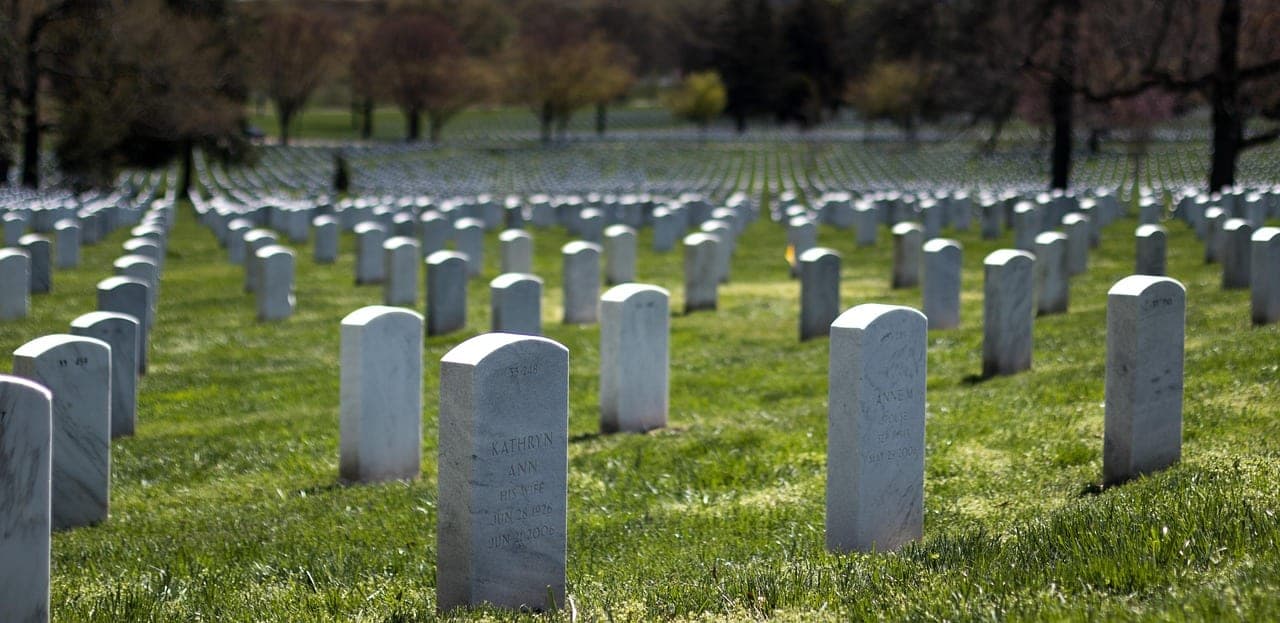
For a US high school group trip to the capital, Arlington is the civics and military-history half of the itinerary. Arlington National Cemetery alone earns half a day — the Tomb of the Unknown Soldier, the Changing of the Guard, JFK's eternal flame, and the Robert E. Lee Memorial on the hill above. Add the Pentagon 9/11 Memorial, the Marine Corps War Memorial, and the Air Force Memorial, and a teacher-led tour has a tight, walkable arc that lines up directly with AP US Government, APUSH, and US military history units. Domestic student group travel this concentrated is rare; most DC educational tours cross the river for exactly this reason.
Top things to see and do


When to go
- Apr - Jun — spring and cherry blossoms
The peak window. Highs climb from 65°F in April to the mid-80s by mid-June. The Tidal Basin cherry blossoms peak in the last week of March or the first week of April; Arlington's own dogwoods follow a week later. Book everything — coach slots, Metro passes, restaurant reservations — four weeks out; this is eighth-grade DC trip season and the city is packed.
- Jul - Aug — brutal humidity
Washington was built on a swamp and it shows. Daytime highs run 88-95°F with dew points in the low 70s; a student group standing in the sun at the cemetery gate will feel every degree of it. Afternoon thunderstorms are almost daily. If the school calendar forces a summer trip, shift the cemetery to the 8 AM opening slot and move the afternoon indoors to the Smithsonian.
- Sep - Oct — the shoulder-season favorite
The other sweet spot for a teacher-led trip. Temperatures fall into the 60s and 70s, the humidity breaks after Labor Day, and the oaks and maples around Section 60 and Arlington House turn gold and deep red through the third week of October. Crowds thin sharply once the summer family window closes. This is the quiet, underbooked move for a fall high school group trip.
- Nov - Mar — quiet and cold
Winter highs in the 40s, the occasional 6-inch snowfall, and museums and memorials almost empty. The Old Guard stays on the Tomb of the Unknown in every conceivable weather — including Hurricane Isabel in 2003 and blizzards — which makes a January or February visit quietly powerful. Short daylight (sunset around 4:50 PM in December) compresses the day; start early.
Food and culture

Chesapeake blue crab
Steamed whole in Old Bay, served on brown paper with a wooden mallet. Summer is peak season. Messy, communal, and the defining DC-area meal a student group will remember.

Virginia ham biscuit
A split buttermilk biscuit, thin-sliced Smithfield or country ham, sometimes a smear of hot mustard. Breakfast or lunch food all over Virginia; the cemetery-adjacent cafés all have a version.

Half-smoke (DC's hot dog)
A coarse-ground, smoked half-beef, half-pork sausage on a steamed bun, drowned in chili, mustard, and onions. Ben's Chili Bowl on U Street is the institution; Arlington's food halls serve respectable versions.

Sweet tea
Brewed strong, sugared while still hot, served over ice. Default non-alcoholic drink on any Virginia menu. A student group will order it once and then order it every day.

Chesapeake oysters (Old Bay everything)
Raw on the half shell, fried in a po'boy, or baked Rockefeller — all three come with Old Bay somewhere. Oyster bars in Crystal City and Rosslyn serve them year-round; the classic rule is months with an "R."
What to pack
- Documents — no passport, but REAL ID
Arlington is domestic US travel, so no passport is required for American students. REAL ID has been mandatory for TSA-screened domestic flights since May 7, 2025 — every student and chaperone flying to DCA, IAD, or BWI needs either a REAL ID-compliant driver's license (star in the corner), a US passport, or another TSA-accepted ID. Check every student's ID six weeks before departure; DMV turnaround runs two to four weeks.
- Clothing — dress respectfully for the cemetery
Arlington National Cemetery is an active military burial ground. No tank tops, no short shorts, no graphic tees with political messaging, no costumes. Smart-casual — jeans or khakis, a collared shirt or plain tee, layers — works in every season. Spring and fall swing 20 degrees in a day; layer accordingly.
- Footwear — sturdy walking shoes
The cemetery is a 639-acre hill. Between the welcome center, the Tomb of the Unknown, JFK, and Arlington House, a group walks two to three miles on pavement and uneven pathways. Add the Pentagon and Iwo Jima and a full day hits 12,000-15,000 steps. Broken-in sneakers — not new ones, not fashion sneakers — are the move.
- Tech — standard US everything
Type A / B plugs (the normal US two- and three-prong), 120V, no adapter needed. Cell coverage across the DC metro is excellent on every major carrier. Download the Arlington National Cemetery ANC Explorer app before arrival — it finds specific graves by name, which matters for students looking up a relative.
- Summer extras — hydration and sun
June through early September: refillable water bottles (the cemetery welcome center has fountains), a hat or cap, SPF 30+, and a light rain jacket for afternoon thunderstorms. Heat exhaustion is the number-one medical call on DC-area school group tours in July.
- Small extras that always help
A compact umbrella, a portable battery for phones after a full photo day, tissues (the cemetery is an emotional visit), and a small notebook for students doing a journaling assignment — more teachers are assigning one for Arlington each year.
Is it safe?
Yes, and straightforwardly so. The United States is at US State Department Travel Advisory Level 1 ("exercise normal precautions") — the lowest tier — and Arlington specifically is consistently among the safest jurisdictions in the DC region. Arlington County's violent-crime rate runs well below the US urban average; the federal memorial sites are patrolled by the US Park Police, the Pentagon Force Protection Agency, and the Arlington County Police, so adult presence is high in every location on a school group itinerary. Natural hazards in the area are limited to summer heat and humidity, occasional severe thunderstorms (with tornado warnings a couple of times a year), and very rare hurricane remnants pushing up from the Gulf.
For a teacher-led tour, the practical reassurance is that Passports runs Arlington the same way we run international student group travel: a Tour Director with the group at every stop, a vetted private coach with a credentialed driver, a 24/7 emergency line, pre-identified medical contacts at Virginia Hospital Center and George Washington University Hospital, and a daily-update channel for parents. Domestic educational tours feel simpler than international ones for most parents, and Arlington is one of the lowest-risk legs of any DC itinerary we operate.
Practical tips
- Changing of the Guard — every 30 or 60 minutes
Every hour on the hour October 1 through March 31, and every 30 minutes (top and bottom of the hour) April 1 through September 30. A student group should arrive 15 minutes before the ceremony starts and stand behind the low wall at the amphitheater — the front rows are reserved for families and wreath-laying parties.
- Dress code and conduct at the cemetery
Voices low, phones silent, hats off during the Changing of the Guard. Cemetery staff will (politely) stop any group behaving casually; the Tour Director walks the group through the rules before entering the gate. This is the part of a DC civics field trip where the tone of the visit matters most.
- Rubbing-stone etiquette
Families do make rubbings of headstones for relatives; the cemetery permits it with paper and rubbing wax only, never crayon, and only on a family member's grave. Students doing a headstone-rubbing assignment should coordinate with the Tour Director and the family in advance — it is not a general visitor activity.
- Metro SmarTrip for the rail half-day
If the itinerary includes a Metro leg, every student needs a SmarTrip card — physical or Apple / Google Wallet. The Blue and Yellow lines connect Arlington Cemetery, Pentagon, Crystal City, and Reagan National Airport, and one-way fares run $2-$6. Load $15 per student before the day begins.