- RegionHercegovina, Bosnia and Herzegovina
- LanguageCroatian (Bosnian)
- CurrencyConvertible Mark (BAM); Euro widely accepted
- Best seasonApr - Jun, Sep - Oct
- TimezoneCentral European Time (UTC+1)
A quick introduction
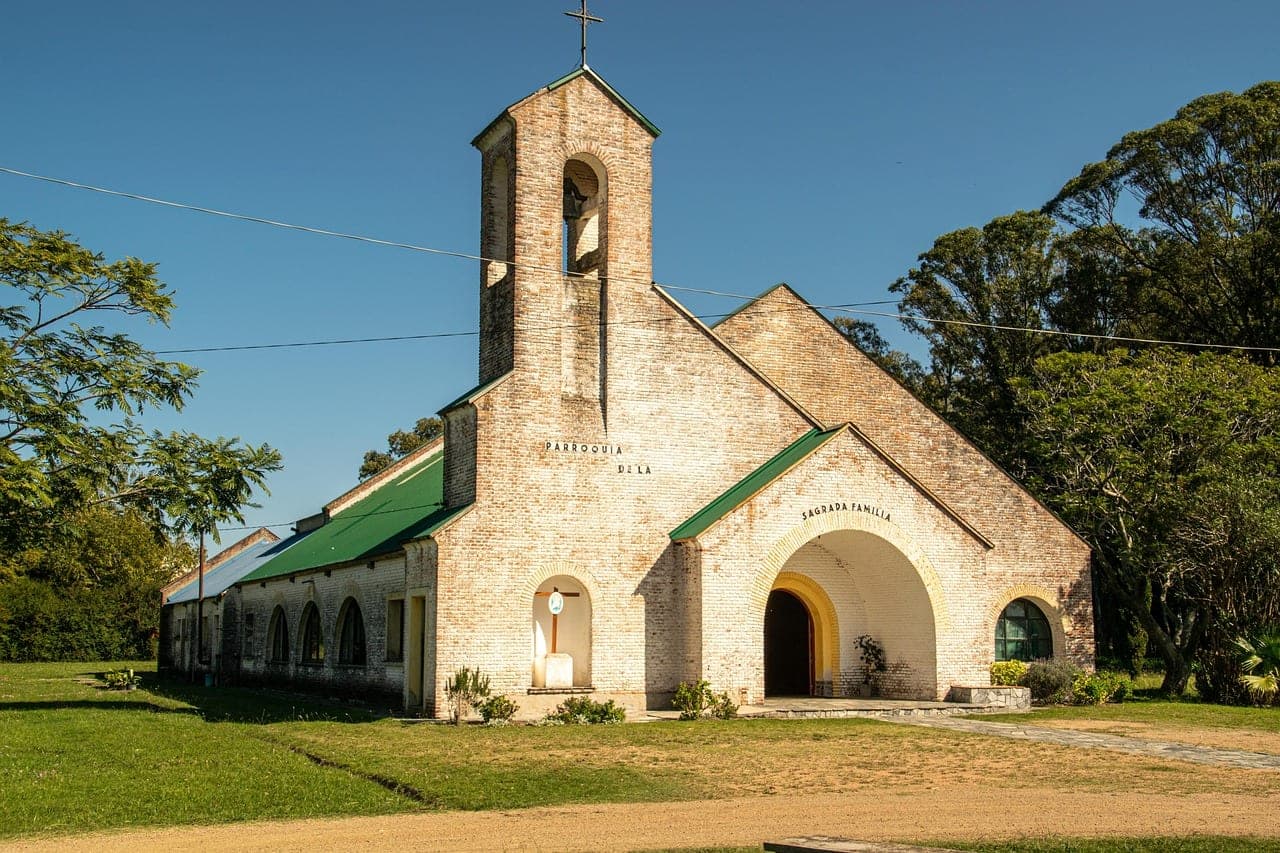
Medjugorje is a small Hercegovinian village — population roughly 2,300 in the parish proper, 200 m above sea level on the karst plateau between two limestone hills — that has hosted somewhere north of forty million pilgrims since 1981. Until that year, the village's main industry was tobacco and vineyards. On June 24, 1981, six local teenagers reported a series of Marian apparitions on what's now called Apparition Hill (Podbrdo), and the parish has been a working pilgrimage destination ever since. The Vatican in 2024 authorized devotion at the site under a nihil obstat while not pronouncing on the apparitions themselves — the careful Catholic compromise that lets pilgrim mass continue as it has for four decades.
For a high school group with a religious-studies, theology, or campus-ministry component, Medjugorje is the most layered pilgrimage stop on our European catalog. The educational travel angle is real — comparative religion, sociology of pilgrimage, Marian theology, post-conflict reconciliation — but the teacher-led part that lands hardest is watching students sit in a multilingual outdoor mass with pilgrims from forty countries and realize what catholic (small c) actually means. The village handles school groups daily; the parish runs an English-language pilgrim office, the franciscan friars who staff St. James Parish speak the languages, and the logistics for a focused two- or three-day stop are mature.
Top things to see and do


When to go
- Apr - Jun — spring sweet spot
The classic window for educational travel to Medjugorje. Daytime highs 18-26°C, vineyards leafing out, climbs up Apparition Hill and Cross Mountain manageable in cool morning air. Easter and the June 24-25 anniversary draw bigger crowds — book pilgrim-house beds early for those windows.
- Jul - Aug — pilgrim peak, real heat
Hercegovina hits 35-38°C in midsummer and the village is at its busiest — the August 1-8 Mladifest youth festival pulls 50,000+ young pilgrims, and the daily English mass spills onto the outdoor altar by 9:30. Doable for summer school groups if the schedule starts at dawn and saves the climbs for early morning or after 6 PM.
- Sep - Oct — shoulder-season gold
A favorite window for our longer teacher-led trips. Temperatures drop to 20-26°C, vineyards run their harvest (žilavka and blatina grapes), and the parish settles into a calmer rhythm. Cross Mountain at sunrise in early October is the postcard moment for any high school group trip here.
- Nov - Mar — quiet pilgrimage
Daytime highs 8-14°C, occasional rain, dramatically thinner crowds. The English mass moves indoors. A focused stay works well for groups that want unhurried confession time and adoration without the summer scale. Some pilgrim houses close mid-January through mid-February.
Food and culture

Hercegovinian lamb peka
Lamb (or veal) slow-cooked under a bell-shaped iron lid buried in coals, with potatoes and onions in the same pot. Three-hour lead time at the konoba — order at lunch for dinner. The regional signature dish.

Žilavka & blatina wines
Hercegovina's two indigenous grape varieties — žilavka makes a crisp dry white, blatina a fuller red. The vineyards around Medjugorje and Čitluk produce both; pilgrim-house dinners usually pour a local glass with the meal.

Pilgrim-house dinner
Pension polupansion (half-board) is the default housing arrangement: bed, breakfast, and a home-cooked dinner served at a long communal table with the host family. Simple, generous, and the social heart of a Medjugorje stay.

Ćevapi & somun
The Bosnian national dish travels south with no loss — small grilled minced-beef sausages in a puffy somun flatbread with raw onion. Most evening konoba menus carry it; cheap, filling, no-fuss group lunch.

Rakija
The pre-dinner Hercegovinian custom — fruit brandy, usually šljivovica (plum) or loza (grape). Adults only, obviously, but a chaperone toast at a host-family dinner is a moment teachers tend to remember.
What to pack
- Documents
Passport valid 6+ months past travel date, two printed copies (one for the student, one for the Tour Director's file), insurance card, and the Passports group packet. No visa required for US citizens staying under 90 days. Bosnia and Herzegovina is not in the Schengen area.
- Clothing
Modest dress is the rule at the parish — shoulders and knees covered for both genders, no logos or graphics on shirts inside the church. A light scarf or shawl that can double as a shoulder cover handles most situations on the fly. Pack layers; Hercegovinian evenings cool sharply year-round.
- Footwear
Two pairs minimum: comfortable walking shoes for the village, and sturdy broken-in trail runners or light hikers for Apparition Hill and Cross Mountain. Both climbs are over bare, sometimes loose limestone — sandals do not work. Some pilgrims climb Apparition Hill barefoot as a devotion; a chaperone call.
- Tech
Bosnia uses Type C / F plugs (European two-prong) — bring a universal adapter. T-Mobile and Google Fi work out of the box; other carriers should pick up a BH Telecom or m:tel eSIM on arrival in Mostar or Sarajevo. A small flashlight or phone torch is useful for the pre-dawn Cross Mountain climb.
- Extras
A reusable water bottle (refill at the parish water taps), a brimmed hat, sunscreen, motion-sickness tablets for the Mostar-to-Medjugorje and Sarajevo-to-Medjugorje legs, and a small notebook — students who keep a pilgrim journal usually thank themselves later.
- Devotional gear
A rosary (or several — many groups bring extras to leave at the Apparition Hill statue), a small prayer book or pocket Bible, and a few unconsecrated medals or rosaries to be blessed by a friar after mass. The parish gift shops sell everything anyone forgets at fair prices.
Is it safe?
Yes. The US State Department rates Bosnia and Herzegovina at Level 2 ("exercise increased caution") — the same rating as France, the UK, Germany, and most of Western Europe — and the elevated level reflects unexploded landmines in clearly marked rural areas left from the 1992-95 war, none of them anywhere a pilgrim group would walk. Medjugorje itself is one of the quietest places in southeastern Europe; the village is built around hospitality to strangers and the local economy depends on it.
On a Passports teacher-led trip, the group stays at a vetted pilgrim house, walks the village in groups, and is never out of reach of a named Tour Director who stays with the group 24/7 for the full week. We operate a 24/7 emergency line out of our Boston HQ, keep parents on a daily-update channel, and have pre-vetted English-speaking medical contacts in Mostar (forty minutes north). For most teachers leading school group tours that include a Medjugorje pilgrimage stop, the village feels quieter than the suburb their school sits in.
Practical tips
- The mass schedule organizes the day
English mass at 10 AM, the multilingual evening mass at 6 PM, adoration after, then the rosary at 10 PM. Build the day's activity around those anchors, not the other way around. A Passports teacher-led pilgrimage to Medjugorje syncs to the parish rhythm by Day 2.
- Euros work nearly everywhere
The Convertible Mark (BAM) is official, but Medjugorje runs on the euro by default — pilgrim houses, restaurants, and the gift-shop street all price in both. Cards are accepted at hotels and larger restaurants; bring small euro notes for candle offerings, smaller shops, and the Apparition Hill water stand.
- The friars speak your language
The Franciscans who staff St. James Parish hear confessions in English, Italian, Spanish, German, French, Croatian, Polish, Korean, and several others — schedules posted daily at the confessional row. Pilgrim-office staff at the parish information window also field questions in English seven days a week.
- Climb at dawn or after dinner
Apparition Hill and Cross Mountain are both unshaded scrambles over white limestone — climbing at noon in July is genuinely dangerous. Start by 5:30 AM for the sunrise climb, or after 6:30 PM for the evening descent. Bring water; there are no taps on either trail.
- Pilgrim houses, not hotels
Most groups stay in family-run pilgrim houses (pansion) on half-board. Plan to dine where you sleep — it's part of the cultural experience and the host families build their week around it. Mention dietary restrictions when the group manifest goes to the pilgrim house, not on arrival.