Destination

Edinburgh, Scotland

Edinburgh student group travel for teachers: the Royal Mile, Castle, and Old Town — an educational travel itinerary for high school and middle school groups.

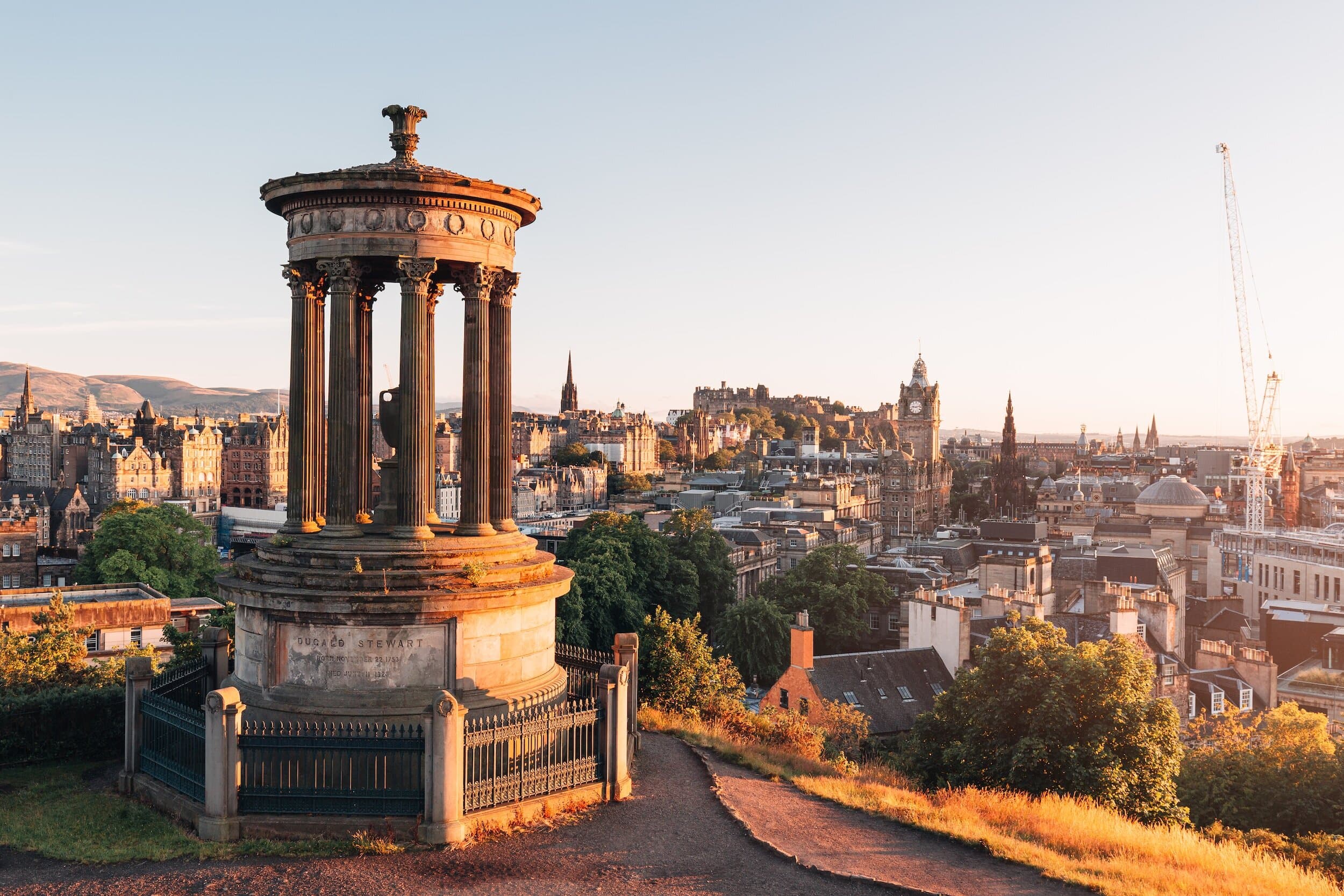
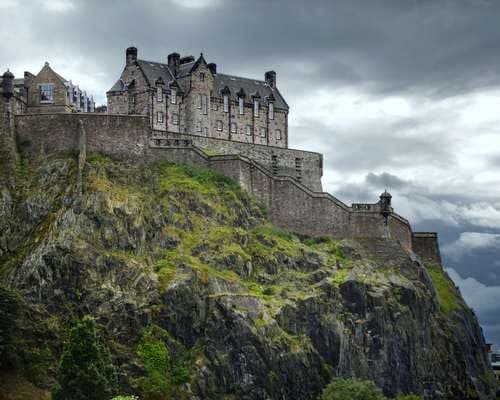
Edinburgh Castle on its volcanic crag above the medieval Royal Mile
On this page
  • Where Edinburgh sits — Scotland's capital on volcanic hills above the Firth of Forth
  • Six sights worth the climb — Castle, Royal Mile, Holyrood, Arthur's Seat, New Town, National Museum
  • What to eat: Scottish breakfast, haggis, cullen skink, shortbread, cranachan
  • When to go, how to pack for Scottish weather, and whether Edinburgh is safe for students
  • Practical logistics for teachers: Fringe-season booking, closes, and the one-hill rule
← All city guidesCountry guide: Scotland
Plan a trip

A quick introduction

Edinburgh is Scotland's capital — population roughly 530,000 — stacked across a series of volcanic hills on the south shore of the Firth of Forth. The Old Town runs in a single spine from the Castle down the Royal Mile to Holyrood Palace, a mile of medieval closes, tenements, and kirks that's been continuously inhabited since the 12th century. A few hundred yards north, across a filled-in loch, the Georgian grid of the New Town (begun 1767) is one of the most complete Enlightenment-era cityscapes in Europe. Both halves together make up a UNESCO World Heritage Site, and the whole thing is walkable end-to-end in an afternoon.

For a student group, Edinburgh is the most concentrated history-and-literature visit on our UK catalog. The Castle, the Scottish Parliament, the National Museum, and the homes of Adam Smith, David Hume, Walter Scott, and Robert Louis Stevenson sit inside a 20-minute walk — a genuine global classroom for Enlightenment, Reformation, and Jacobite history. It pairs naturally with a Highlands leg (Aberfeldy, Stirling, or Loch Ness) for teacher-led high school group trips that want both city and country in the same week of educational travel.

Six stops across the Old and New Towns

Top things to see and do

Edinburgh Castle

Edinburgh Castle

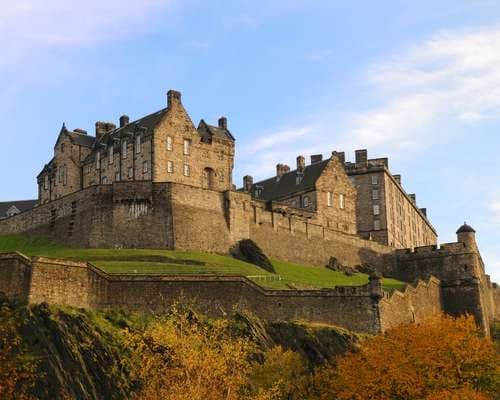
The fortress on Castle Rock has been a royal stronghold since the 12th century. St Margaret's Chapel (1130) is the oldest building in the city; the Honours of Scotland (the oldest crown jewels in Britain) and the Stone of Destiny are on display. Allow 2 hours.

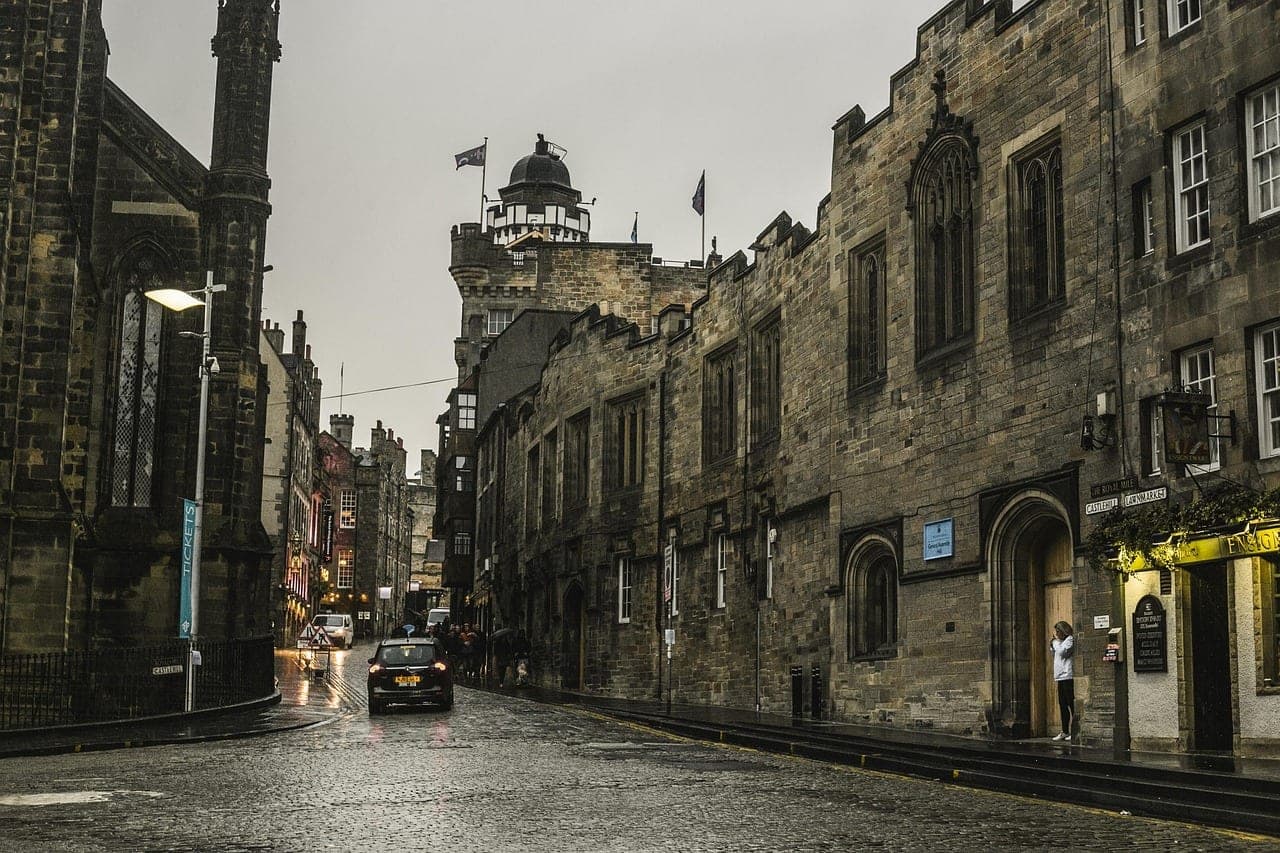
The Royal Mile

The Royal Mile

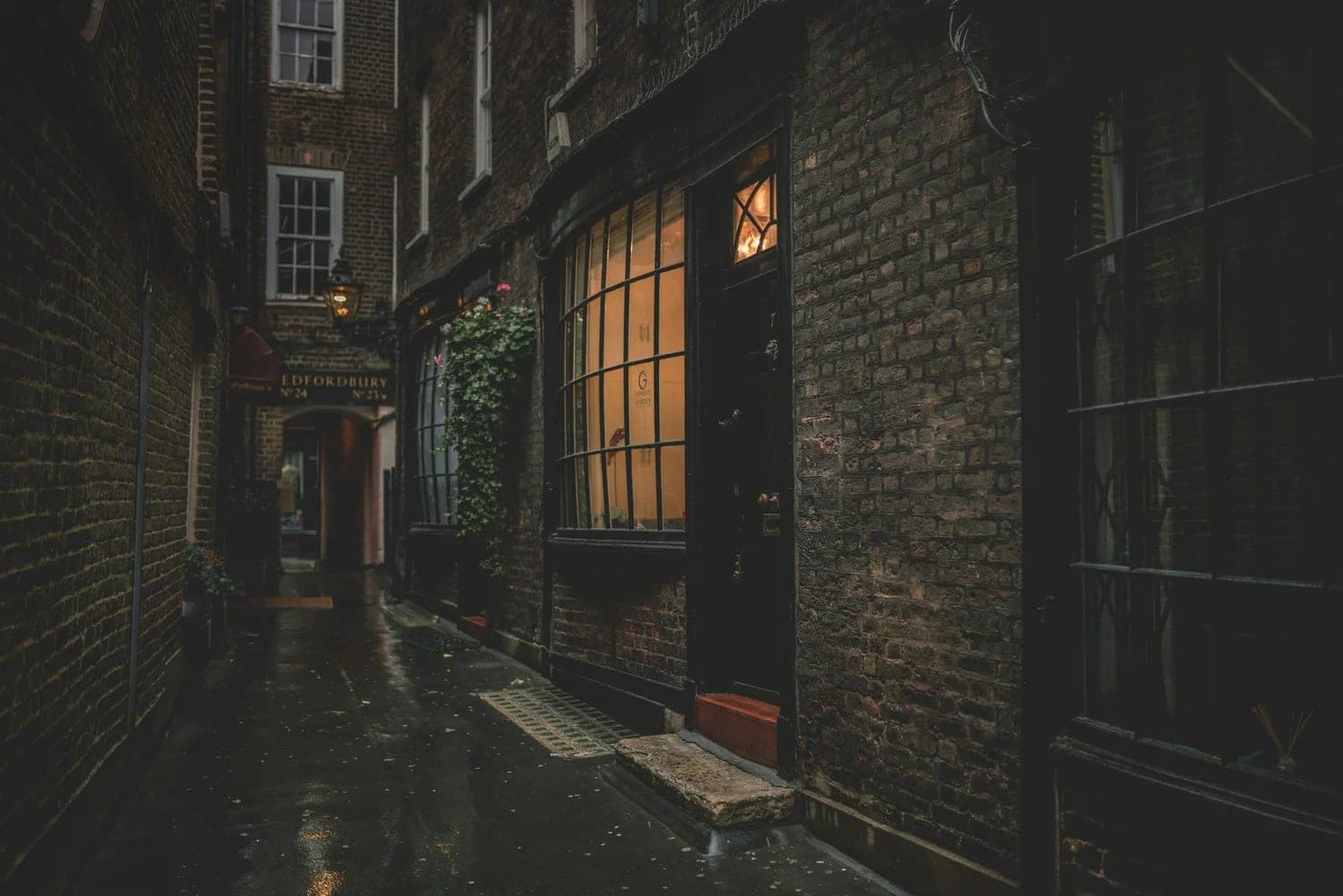
The single street connecting the Castle to Holyrood, running through four successive burghs — Castlehill, Lawnmarket, High Street, Canongate. Duck into the narrow closes (alleyways) between the main buildings; Mary King's Close offers an underground tour of a 17th-century street sealed when the Royal Exchange was built over it.

Holyrood Palace & Parliament

Holyrood Palace & Parliament

The Queen's official Scottish residence sits at the foot of the Royal Mile, with Holyrood Abbey in ruins beside it (1128, stripped during the Reformation). Across the street, Enric Miralles' 2004 Scottish Parliament building is a deliberate modern counterpoint — a useful stop for a civics or architecture discussion.

Arthur's Seat

Arthur's Seat

A 250-metre extinct volcano inside the city limits, 30-45 minutes up from the Holyrood carpark. The view takes in the Old Town, the Forth, and (on clear days) the Pentland Hills to the south. The easier Salisbury Crags loop works for groups tight on time. Pack rain layers regardless of the forecast.

New Town & Princes Street Gardens

New Town & Princes Street Gardens

The Georgian grid below the castle ridge — Princes Street, George Street, Queen Street — is a textbook example of Enlightenment-era urban planning. The gardens in the valley between the Old and New Towns hold the Scott Monument and give the best walking view of the castle silhouette.

National Museum of Scotland

National Museum of Scotland

Free admission, six floors, and the single best indoor-fallback stop in the city when the Scottish weather turns. Dolly the sheep, the Lewis chessmen, and a full Scottish-history gallery that tracks from prehistory through the Act of Union. Plan 2 hours; easily fills a rainy afternoon on a student tour.

Scottish weather by season

When to go

  • Spring (Apr - May) — the window opens

    Daytime highs 9-14°C, long daylight building fast, daffodils in Princes Street Gardens. Rain is still frequent but the crowds haven't arrived yet — late April through May is one of the best educational travel windows for Edinburgh, with the castle and Royal Mile still breathable.

  • Summer (Jun - Aug) — peak, plus the Fringe

    Daytime highs 15-20°C, daylight until nearly 10 PM in June. The catch is the Edinburgh Festival and Fringe in August, which quadruples the city's population and doubles hotel prices. Book 6+ months ahead for any August student group travel; groups that want the Fringe experience should plan for it, and groups that don't should aim for June or early July.

  • Autumn (Sep - Oct) — the quiet sweet spot

    The best-kept secret for teacher-led tours. Temperatures drop to 10-15°C, the Fringe crowds clear out after the first week of September, and the city's stone turns gold in the low light. A September or early-October high school group trip hits Edinburgh at its most photogenic with museum and castle lines back to a reasonable wait.

  • Winter (Nov - Mar) — short days, real weather

    Daytime highs 4-7°C and sunset around 3:40 PM in December. Edinburgh's Christmas market and Hogmanay (New Year) festival are major draws — Hogmanay in particular is one of the largest street parties in Europe and requires a year-in-advance booking for any group hotel. Workable for interim-term student tours if weather tolerance is built into the itinerary.

What to order

Food and culture

Full Scottish breakfast

Full Scottish breakfast

Egg, bacon, sausage (often Lorne square sausage), black pudding, tattie scone, baked beans, grilled tomato. Served at every hotel and B&B from about 7 AM. The main fuel before a castle-climb morning.

Haggis, neeps & tatties

Haggis, neeps & tatties

Minced sheep offal, oats, and spice, served with mashed turnip (neeps) and potato (tatties). Most pubs serve a small-plate taster portion that works for a student group — an optional menu item for the brave half of the group.

Cullen skink

Cullen skink

A thick smoked-haddock, potato, and onion soup from the Moray coast, on the menu of most Edinburgh hotel restaurants. Warming after a cold morning on the Royal Mile and a gentler introduction to Scottish fish cooking than the full fish tea.

Shortbread

Shortbread

Buttery shortbread is the souvenir tin students actually buy — three-ingredient biscuit (butter, sugar, flour) codified in Edinburgh in the 16th century and still sold by weight in Royal Mile shops. Travels home well in a carry-on.

Cranachan

Cranachan

Scotland's unofficial national dessert — whipped cream folded with toasted oats, heather honey, whisky, and fresh raspberries. On the menu of most dinner restaurants in Old Town; a useful dessert option for students who've had their fill of sticky toffee pudding.

Packing essentials

What to pack

  • Documents

    Passport valid 6+ months past travel date, two printed copies (one for the student, one for the Tour Director's file), insurance card, and the Passports group packet. No visa required for US citizens for UK stays under 6 months; from 2025 a pre-travel ETA is required — the Passports office handles this before departure.

  • Rain layers — non-negotiable

    The single most important category for Edinburgh. A genuinely waterproof shell (not a rain-resistant hoodie), a warm mid-layer that still works damp, and a hat that survives wind on the castle esplanade. "Four seasons in one day" is the local saying, and it's honest — pack for every forecast at once.

  • Footwear

    Serious, broken-in walking shoes with ankle support. The Royal Mile is cobblestones end-to-end, Arthur's Seat is a proper hill walk, and a student group will log 12,000-15,000 steps a day on a full Edinburgh itinerary. Do not buy new shoes for the trip.

  • Tech

    The UK uses Type G plugs (three-pin rectangular) — a universal adapter or a dedicated UK adapter is required. T-Mobile / Google Fi work out of the box; others should plan on a UK eSIM. Mobile coverage across the city is strong; a portable battery earns its weight on museum days.

  • Clothing

    Layers, every day. Mornings start cool even in July; afternoons can turn warm then wet inside an hour. A scarf works triple duty — warmth on the Firth, a shoulder cover in St Giles' Cathedral, a head cover if the wind lifts on Arthur's Seat.

  • Extras

    A small daypack, a reusable water bottle, sunscreen (the UV index is real under Scottish skies even when it feels cool), and a compact umbrella that won't invert in wind — the castle-esplanade gusts will kill a cheap one inside a week.

The parent-meeting question

Is it safe?

Yes. The United Kingdom is rated Level 2 ("exercise increased caution") by the US State Department — the same as France, Italy, Germany, and most of Western Europe — and the elevated level reflects generic European terrorism risk at public events in London, not anything specific to Edinburgh. Violent crime against travelers is rare; the actual risk profile in the city centre is pickpocketing at a handful of predictable hotspots (the Royal Mile in festival season, the Waverley station concourse, Princes Street on a Saturday) and weather exposure on Arthur's Seat.

On a Passports teacher-led trip, the group is never on local transport alone, the Tour Director runs a pickpocket-awareness briefing on the first evening, and every hotel is pre-vetted for 24-hour reception and secure room storage. We operate a 24/7 emergency line out of Boston, keep parents on a daily-update channel, and have English-speaking medical contacts in the city. For most teachers running their first school group tour to Scotland, Edinburgh feels easier than a domestic field trip — everyone speaks English, the infrastructure is first-world, and the historic core is small enough that the Tour Director can walk a missing student back from almost any point in ten minutes.

🛡️

Personal safety

Pickpocketing is the real risk, concentrated on the Royal Mile during Fringe and around Waverley station. Cross-body bags in front, phones off café tables, and a Day 1 briefing cover most of it. Hotels are vetted for 24-hour reception, in-room safes, and English-speaking front desks.

⚕️

Health & medical

Tap water is excellent. No special vaccines required beyond CDC routine. The Royal Infirmary of Edinburgh runs a full 24-hour A&E (emergency room) to UK NHS standards and accepts US travel insurance. The Passports office pre-briefs every group on the NHS referral pathway before departure.

🚐

Roads & transport

The group moves by private coach between cities and to outlying sites. Inside the city, the Tour Director walks the group between Royal Mile stops. No students on local transport alone, no student-driven vehicles. UK coach drivers operate under strict legal driving-hour limits — a safety feature, not a scheduling problem.

🌪️

Weather & natural hazards

Earthquake, flood, and wildfire risk are all minimal. The practical hazard is Scottish weather — wind and rain that arrive fast on exposed ground (Castle esplanade, Arthur's Seat, Calton Hill). The itinerary builds in indoor fallbacks, and the Tour Director owns the weather call on the morning of each hill day.

Practical tips

  • Old Town, New Town, one hill per day

    Edinburgh's compact core invites teachers to overbuild the itinerary. The better pattern for school group tours is one hill climb (Castle or Arthur's Seat) per day, paired with street-level walking — the day falls apart fast if you try to stack both before dinner.

  • Card is king, but carry a little cash

    Contactless payment is universal, from the Royal Mile souvenir shops to the museum café. A small amount of sterling is still useful for the honesty box at Greyfriars Kirkyard, a tip at the pub, and the occasional cash-only street performer during Fringe.

  • Plan around the weather, not against it

    Edinburgh itineraries that insist on hitting every sight on a fixed clock get miserable fast. The best teacher-led tours run a flexible outdoor-morning / indoor-afternoon pattern that can flip if the rain lands early. The National Museum and the Writers' Museum are the default fallbacks.

  • Kitchens close earlier than US students expect

    Edinburgh pub kitchens often stop serving dinner at 9 PM, and even central restaurants wind down by 10. A group arriving hungry at 9:15 after a late Arthur's Seat descent is a common first-night mistake — the Passports itinerary pre-books the group dinner to avoid it.
Five facts

Good to know

🌋

The city sits on an extinct volcano field

Castle Rock, Arthur's Seat, Calton Hill, and Salisbury Crags are all remnants of a Carboniferous-era volcanic system. Castle Rock specifically is a volcanic plug — the hardened throat of a vent — which is why the fortress has been unassailable from three sides for 900 years.

🏛️

Two towns, both UNESCO

Edinburgh's Old and New Towns are inscribed together as a single UNESCO World Heritage site — an unusually tight juxtaposition of medieval and Enlightenment-era urbanism separated by a single filled-in loch (now Princes Street Gardens and Waverley station).

📜

Harry Potter was written here

J.K. Rowling drafted the first Harry Potter novel in Edinburgh cafés (the Elephant House is the famous one, though she worked in several); George Heriot's School, visible from the castle, is widely credited as the model for Hogwarts' house system.

🎭

The Fringe is the world's largest arts festival

Every August, Edinburgh hosts around 3,500 shows across 300+ venues — theatre, comedy, dance, spoken word — making the Fringe by volume the largest performing-arts festival on earth. It began in 1947 as the "fringe" of the official International Festival.

🎆

Hogmanay is older than the Christmas break

Scotland's New Year celebration has medieval Norse roots and was for centuries the bigger winter holiday — the Scottish Reformation discouraged Christmas, which didn't become a public holiday in Scotland until 1958. The three-day Hogmanay street party is still one of the largest in Europe.

Tours that go here

Tours that stop in Edinburgh

See all tours →
Edinburgh Castle
United Kingdom/Scotland

Braveheart

Edinburgh · Pitlochry · Fort William · Glasgow

Adult-recommended
See itinerary
Edinburgh Castle
Ireland · United Kingdom/Scotland

Dublin and Edinburgh

Dublin · Edinburgh

Adult-recommendedSmall-group
See itinerary
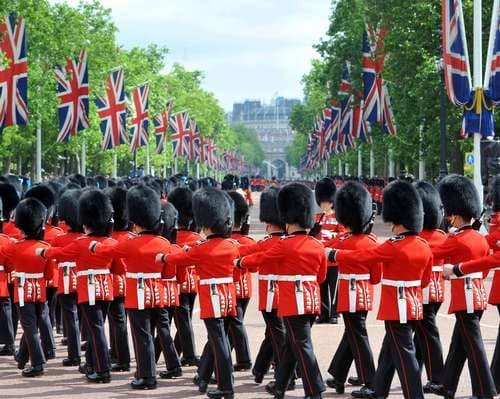
Trooping the Colour
United Kingdom/England · United Kingdom/Scotland

London and Edinburgh

London · Edinburgh

Small-group
See itinerary
Edinburgh Castle
United Kingdom/England · United Kingdom/Scotland

London to Edinburgh

London · Stratford-upon-Avon · York · Edinburgh

See itinerary
Classroom material

Lesson plans about Edinburgh

See all →
EnglandHistoryGrade 11-12

Roman Britannia (43 CE to 410 CE): Edge of the Roman Frontier: Hadrian's Wall

Through an in-depth analysis of various primary and secondary sources, students in this lesson will identify, understand and be able to explain why Hadrian's Wall was built in the 2nd century by the Roman army, what it meant to live on the …

View lesson
From our blog

Blog posts about Edinburgh

See all →
Top 10 Literary Destinations in Europe
destinations

Top 10 Literary Destinations in Europe

Europe's top literary destinations span ten cities, from Shakespeare's Stratford-upon-Avon to Joyce's Zurich, each offering author museums, landmarks, and cultural history

Read post
Exploring Europe’s Historical Treasures: A Guide for History Enthusiasts and Educators
destinations

Exploring Europe’s Historical Treasures: A Guide for History Enthusiasts and Educators

Europe's most historically rich cities offer student groups vivid, hands-on learning across ancient, medieval, and Renaissance eras. This guide covers Rome, Athens, Prague, Edinburgh, Florence, and Paris

Read post
Walking Tour Spotlight: Edinburgh
destinations

Walking Tour Spotlight: Edinburgh

This walking tour of Edinburgh covers five iconic stops — from Edinburgh Castle and the Royal Mile to Calton Hill — ideal for student group travel in Scotland's capital

Read post
Pop Culture Abroad:  Harry Potter
destinations

Pop Culture Abroad: Harry Potter

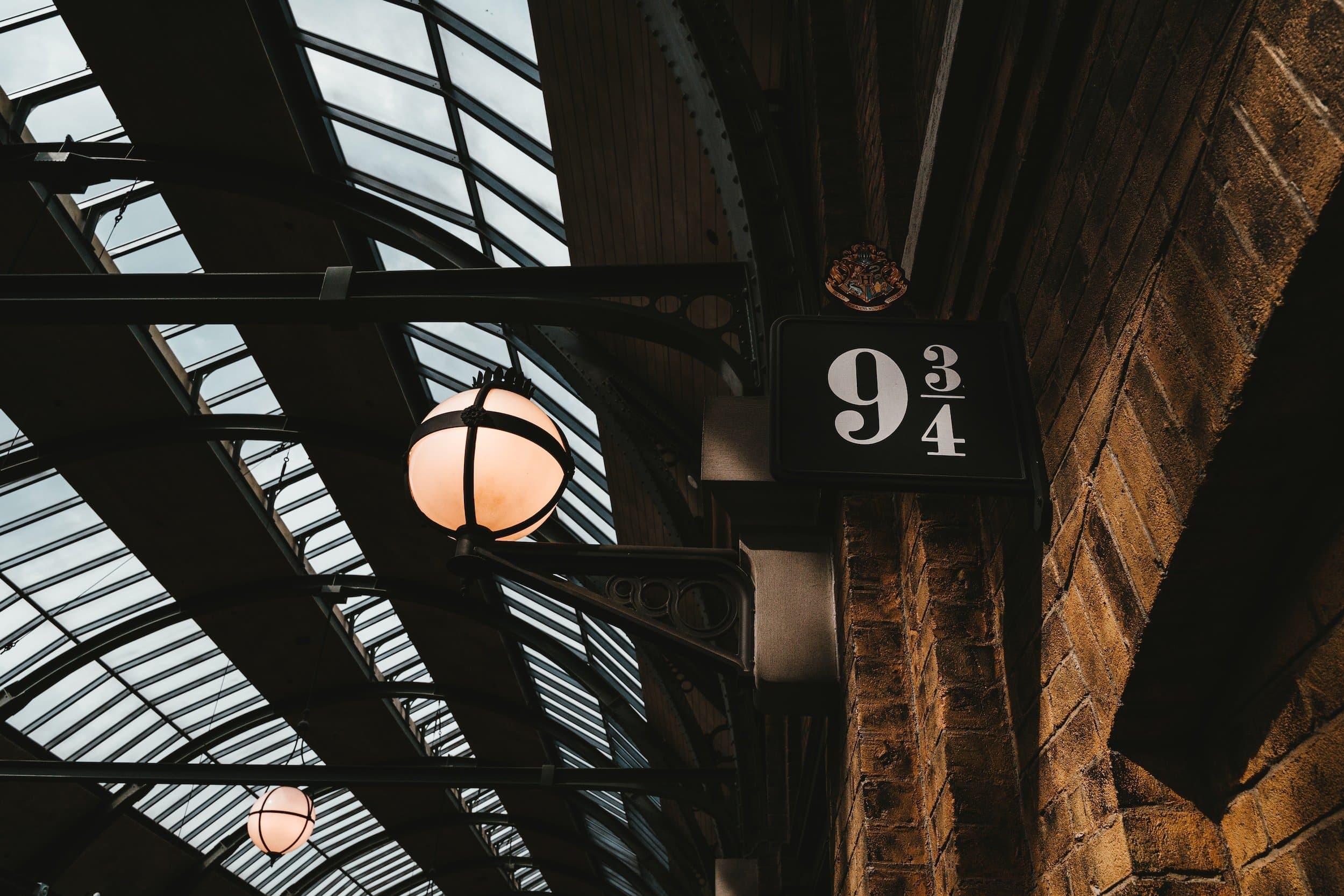
Harry Potter fans visiting Europe can explore real-world filming locations and inspirations, from London's King's Cross to Edinburgh's Elephant House Cafe and Scotland's Glenfinnan Viaduct

Read post
The Eiffel Tower
travel inspiration

Passports Photo Jeopardy

Dreaming of your next adventure abroad? Check out just a few destination options by playing Passports Photo Jeopardy!

Read post
On the ground

More places in Scotland

Country guide: Scotland →
The River Tay curving past the village of Aberfeldy in the Scottish Highlands

Aberfeldy, Scotland

Aberfeldy student group travel for teachers: a Perthshire Highland village anchoring educational tours and teacher-led high school group trips in Scotland.

Bring your group to Edinburgh, Scotland.

Every Passports trip is built around a teacher and a group — from first itinerary sketch to the last day on the ground. Tell us what you have in mind and we’ll take it from there.

Plan a trip