
Science in the Field: Best Educational Travel Destinations for Natural Wonders
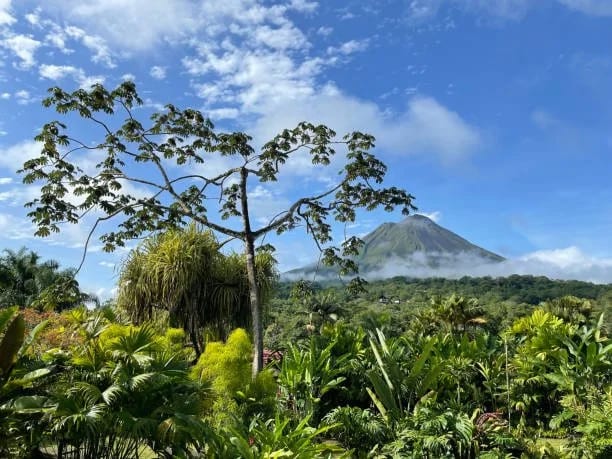
Because sometimes the best classroom has lava flows, coral reefs, or geysers.
Textbooks and lab experiments are great—but there’s something about standing at the edge of a volcano or snorkeling above a coral reef that flips a switch in students' minds. Suddenly, earth science, biology, and environmental studies aren’t just subjects—they’re experiences.
Educational travel to natural wonders lets students engage directly with the planet’s most fascinating processes and ecosystems. Here’s where to go—and how to make the most of it.
Why natural wonders make unforgettable science classrooms
Science in the field is:
Hands-on (literally—touching volcanic rock or marine life tanks)
Visual (complex processes are easier to understand in 3D)
Interdisciplinary (geology, ecology, chemistry, climate—all intersect)
Memorable (it’s hard to forget what you learned while watching a geyser erupt)
Incredible natural sites to explore with students:
🌋 Iceland – Fire and Ice in Action
Great for: Earth Science, Geology, Environmental Science
Highlights: Geysers, volcanoes, glaciers, tectonic plate boundaries
Learning connection: Explore plate tectonics, geothermal energy, glacial erosion, and climate change—all in one stunning location. Bonus: the Northern Lights are a hit with any age group.
🌲 Costa Rica – Biodiversity Hotspot
Great for: Biology, Ecology, Sustainability
Highlights: Rainforests, volcanoes, cloud forests, wildlife reserves
Learning connection: From sloths to lava tubes, Costa Rica offers a crash course in ecosystems, renewable energy, and sustainability practices. It's also a great place to discuss conservation in action.
🌋 Japan – Volcanoes and Earthquakes
Great for: Geology, Volcanology, Earth Science
Highlights: Mount Fuji, Aso Caldera, hot springs, tectonic activity
Learning connection: Students will experience firsthand the power of tectonic plates at work, with a visit to volcanic hotspots like Mount Fuji, or explore the science behind Japan’s geothermal energy use through hot spring regions like Beppu.
Tips for maximizing science learning during travel
Before the trip: Assign students roles—botanist, volcanologist, marine biologist—to research and present on-site.
During the trip: Incorporate field journals, hands-on data collection, or even citizen science projects.
After the trip: Turn experiences into lab reports, student-led seminars, or conservation campaigns back home.