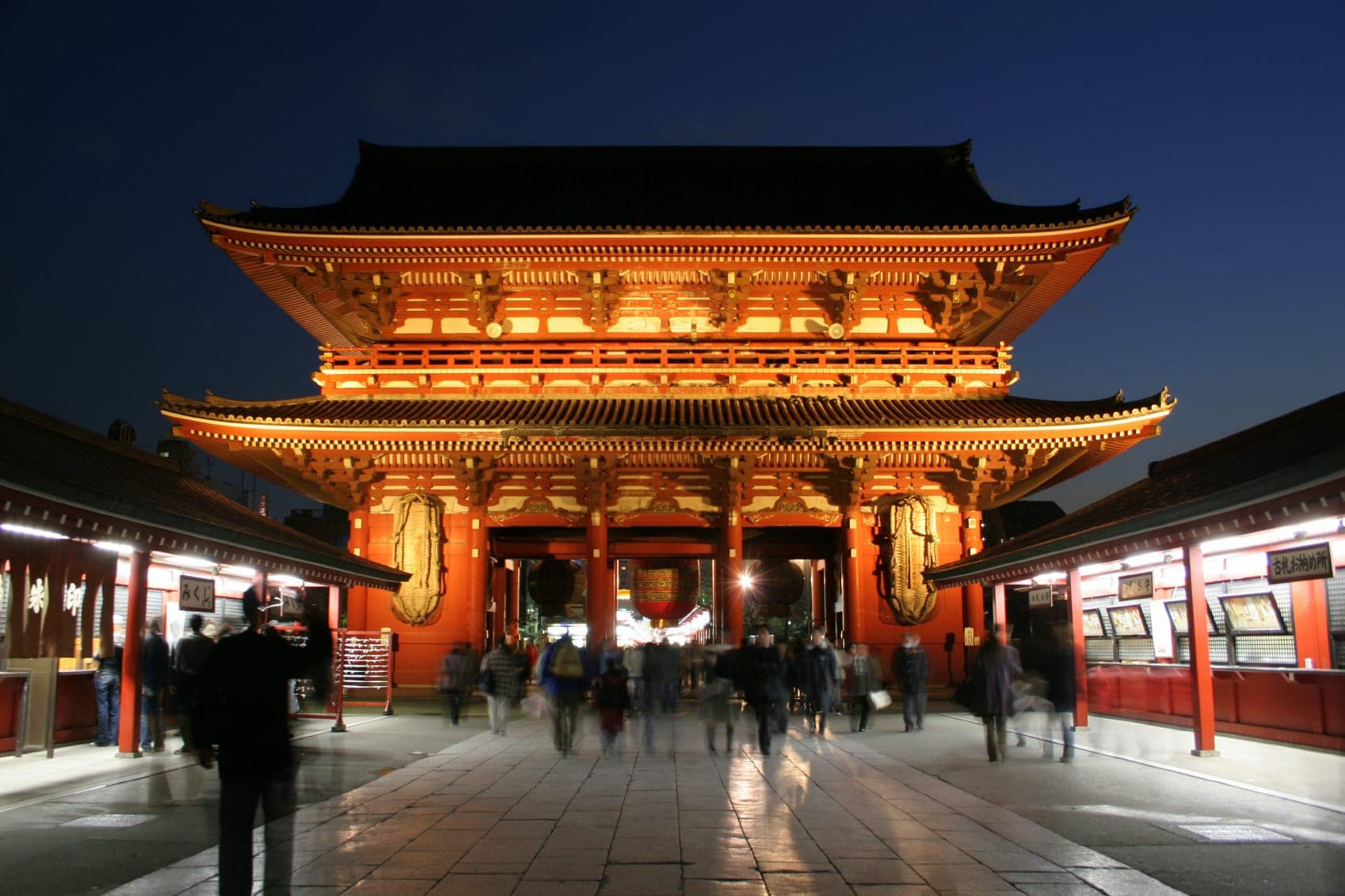
Politeness is the operating system.
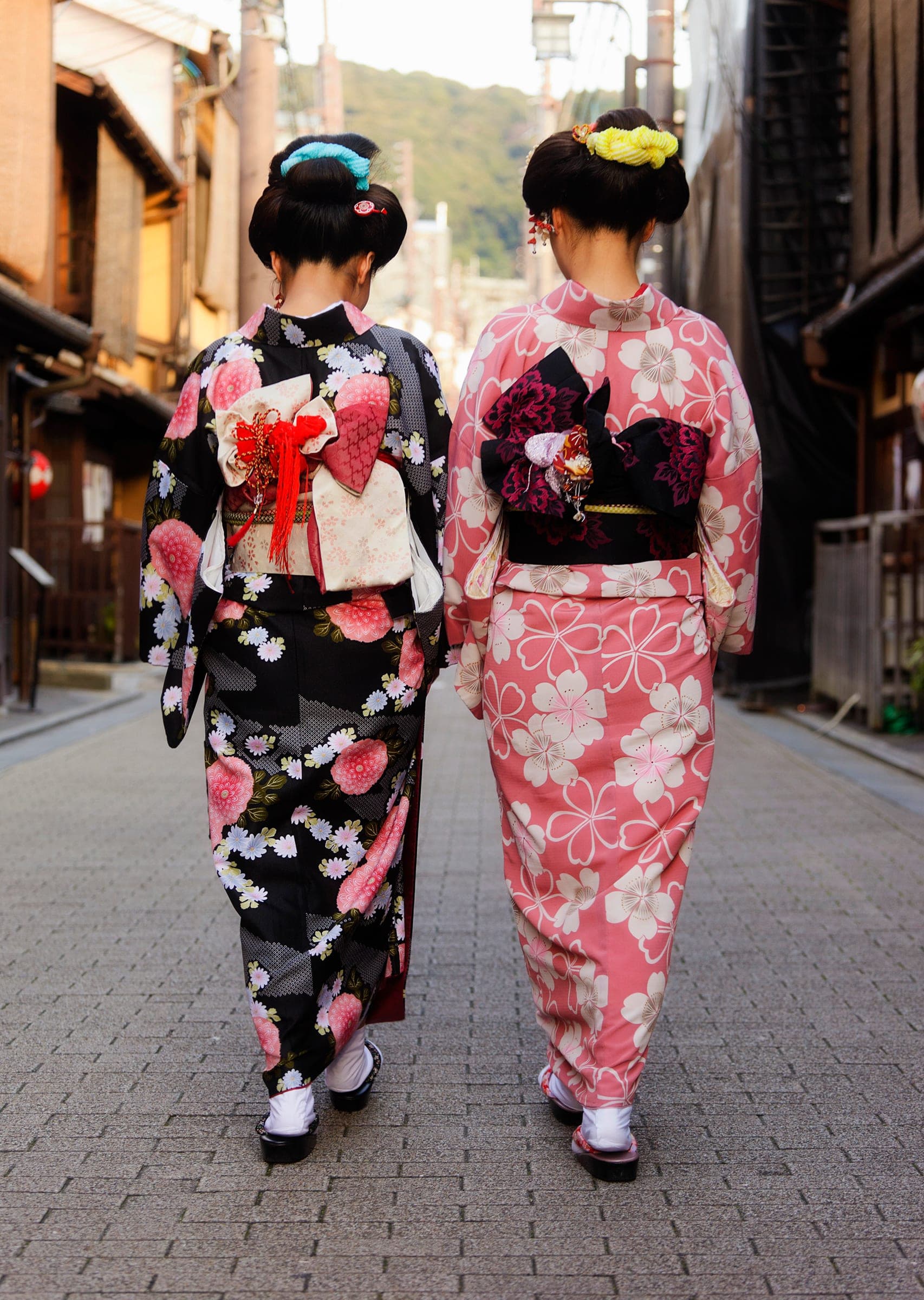
Bowing is the standard greeting — a small head nod for casual hellos, a deeper bend for formal moments. Always remove your shoes when entering homes or certain establishments. Bring or wear socks.

Bullet trains and buddhist temples, neon-lit alleys and quiet shrines, vending machines on every corner. This is the pre-trip handbook your group needs — not the brochure.
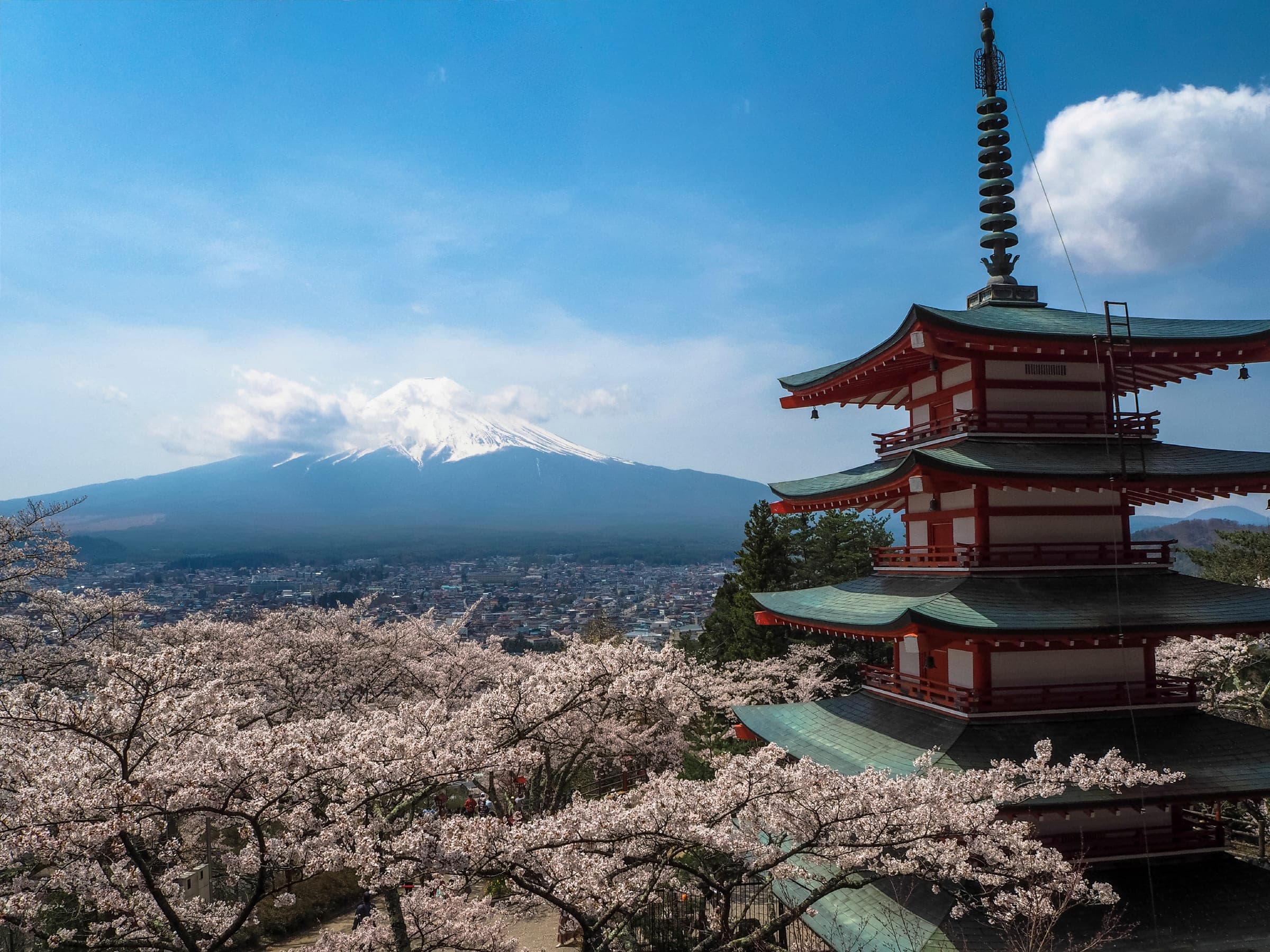
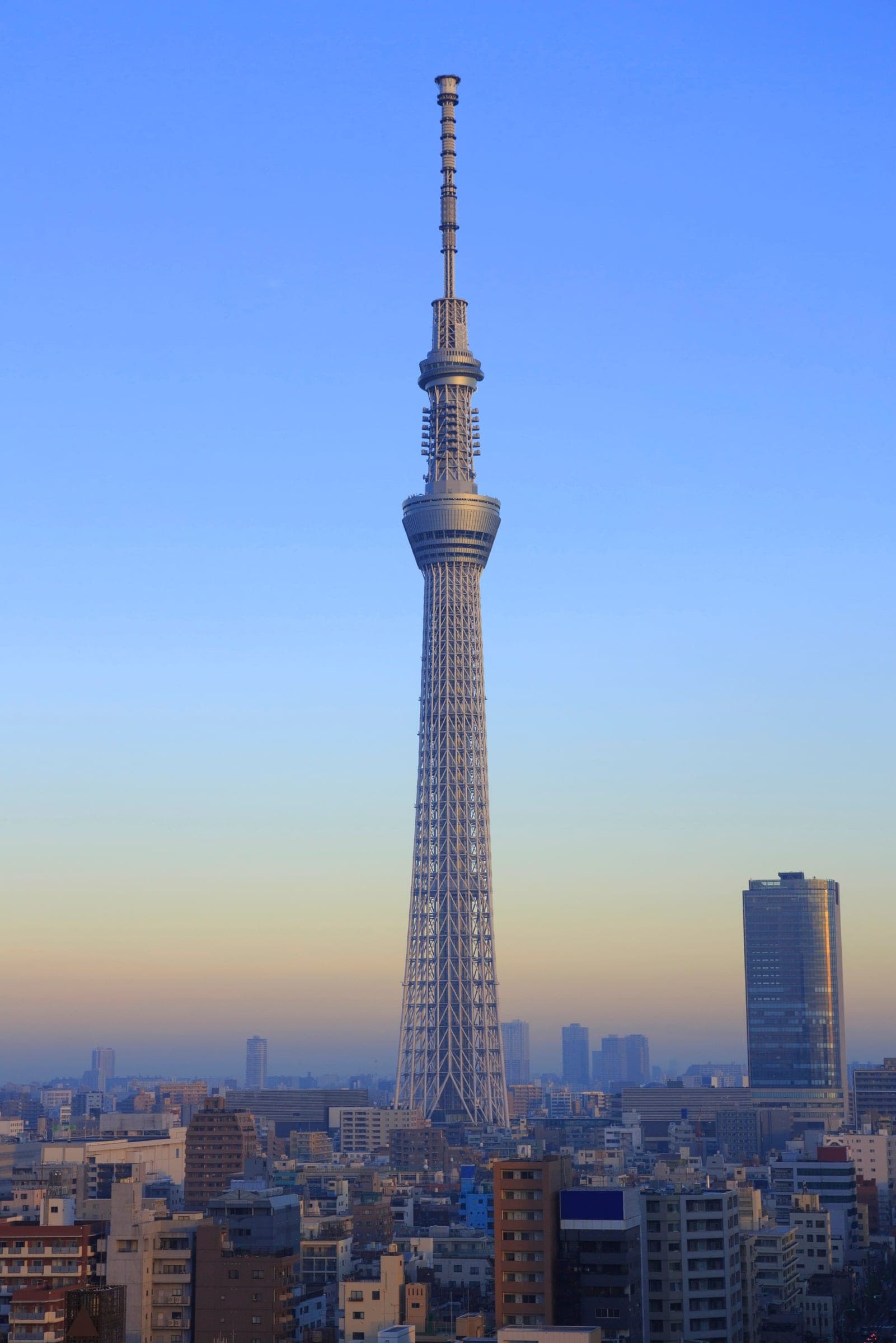
Embrace every moment with respect, curiosity, and enthusiasm. What looks like a country of contradictions on the surface is actually a society organized around one quiet idea: consideration for the people around you. Lean into it and Japan opens up.
This guide covers everything from local customs to practical travel tips — written for groups who arrive curious and want to leave the airport ready.
Three things to handle before you fly: a passport with at least six months of validity past your return date, a visa check, and the optional digital pre-clearance.
Japanese is the official language. Many people in cities understand English — but locals love when you try theirs. Three phrases will carry you a long way.
Konnichiwa is how we say hello in Japanese.
Ko-nni-chi-wa. Konnichiwa.
When you meet someone during the day, you can say Konnichiwa.
Arigatō means thank you.
A-ri-ga-tō. Arigatō.
Use it when someone helps you or gives you something.
Sumimasen is a very useful word.
Su-mi-ma-sen. Sumimasen.
It can mean excuse me, or even I'm sorry. Use it to get someone's attention or to be polite.
Now let's try them together: Konnichiwa. Arigatō. Sumimasen. Great job!
Bowing is the standard greeting — a small head nod for casual hellos, a deeper bend for formal moments. Always remove your shoes when entering homes or certain establishments. Bring or wear socks.
Avoid loud conversations on public transport and in public spaces. Eating while walking is generally discouraged — sit down and enjoy your food. Be mindful of where the group is standing; step aside to let others pass.
Japan's privacy laws are strict. Don't publish photos with recognizable faces without getting permission from the people in them. Temples, shrines, and museums often have their own rules — read the signs.
Most Japanese people make active effort not to inconvenience others — walking on the correct side of the street, not blocking the way, queueing patiently. Match the energy and you'll feel right at home.

Meals are a mix of pre-arranged group dinners and cash-meal lunches. Drinks like water, tea, and soft drinks are usually included. Allergy details are shared with restaurants in advance — submit allergy info at least 30 days before departure so we can build the menu around it.
Smaller rooms, polite reception, and a few customs that catch first-timers off guard. Read this once and you'll know what to expect at check-in.
Most hotels have vending machines inside or out front that sell alcohol. Alcohol is prohibited for student travelers during Passports tours, regardless of local drinking age.
Despite credit cards spreading, Japan is still cash-first — especially in rural areas, temples, and small independent shops. Bring some yen.
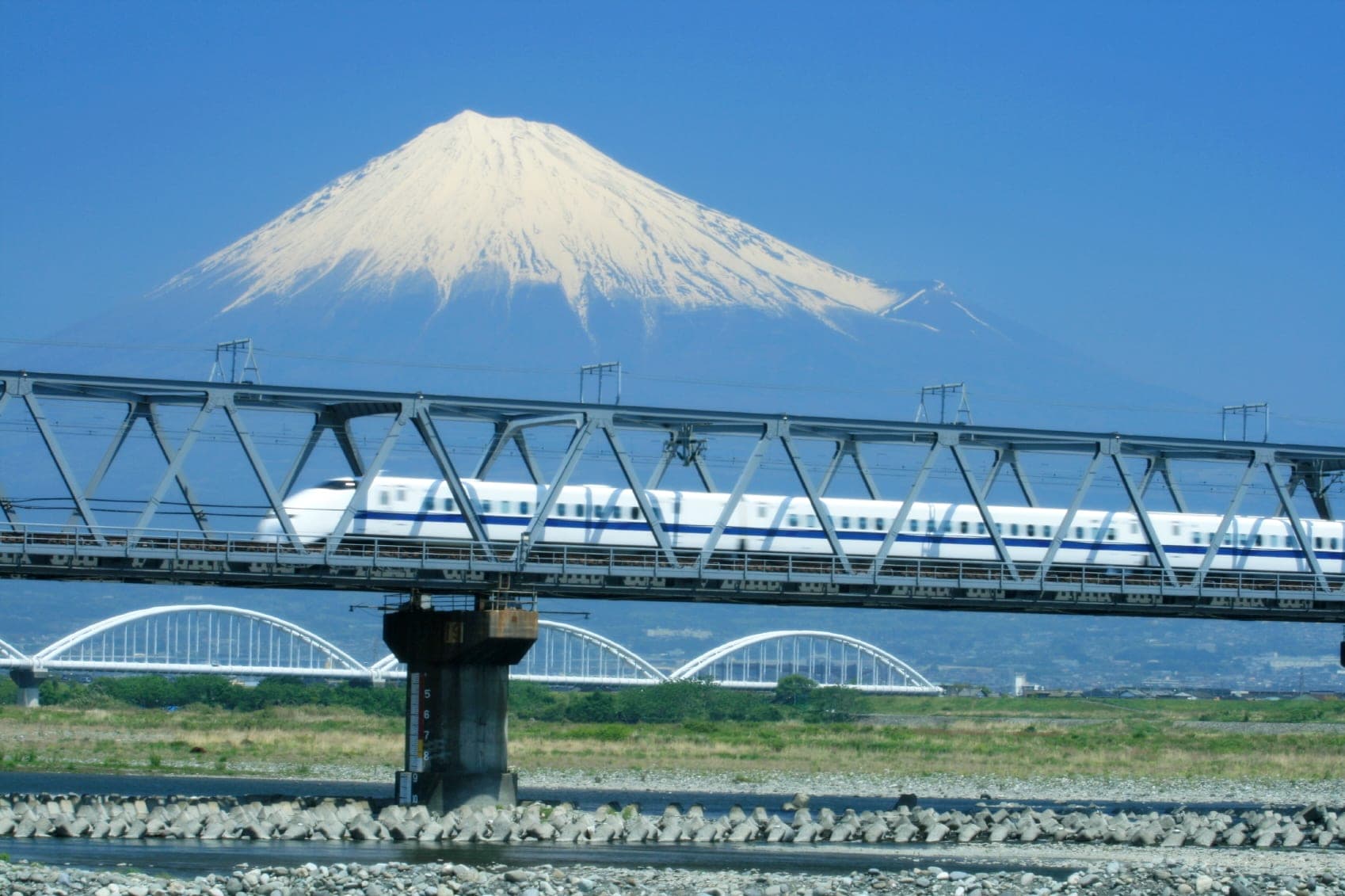
Public transport in Japan is the gold standard. Quiet, punctual, and efficient — but it has rules. The bullet train is the highlight; the IC card is the daily workhorse.
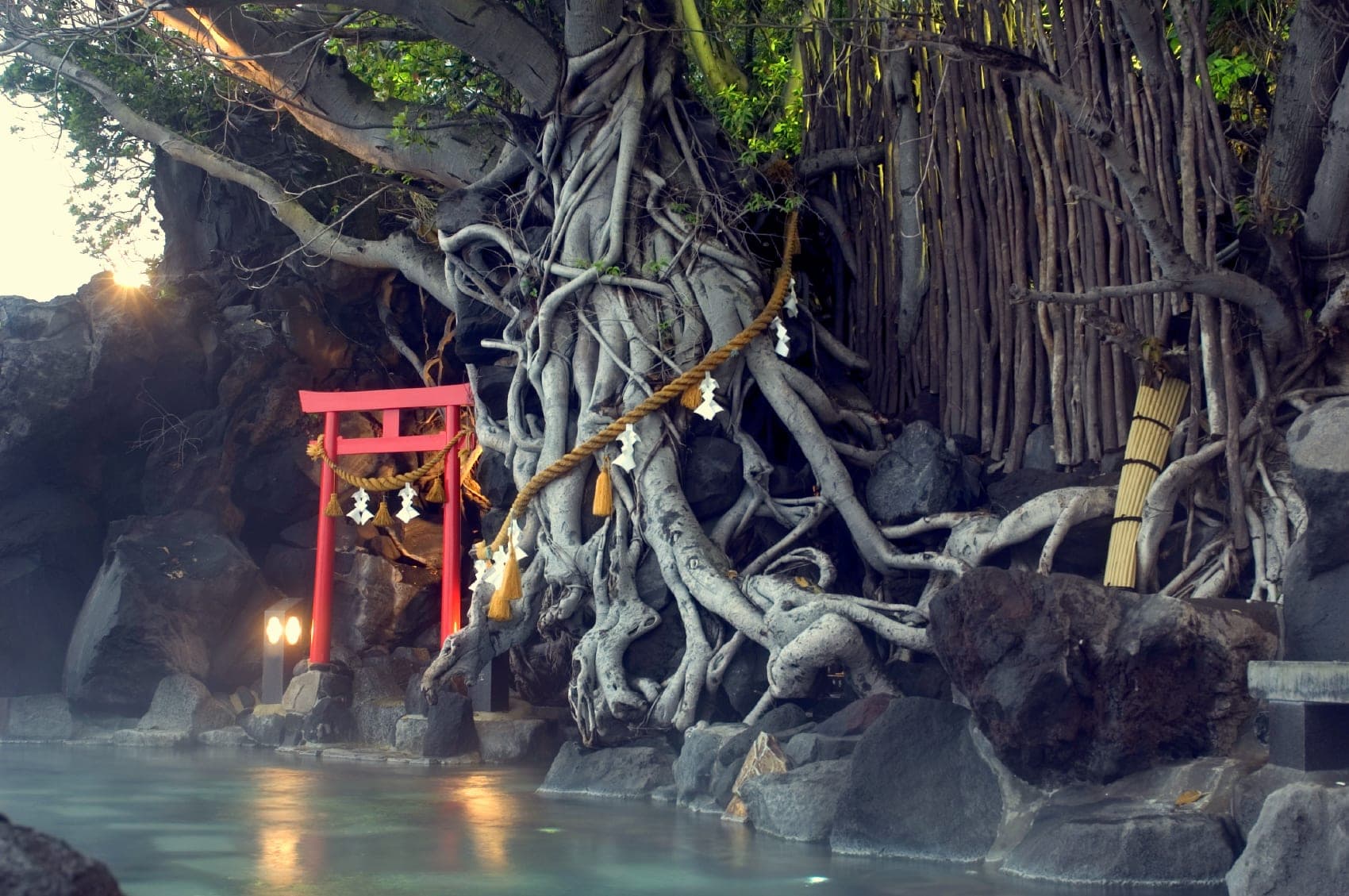
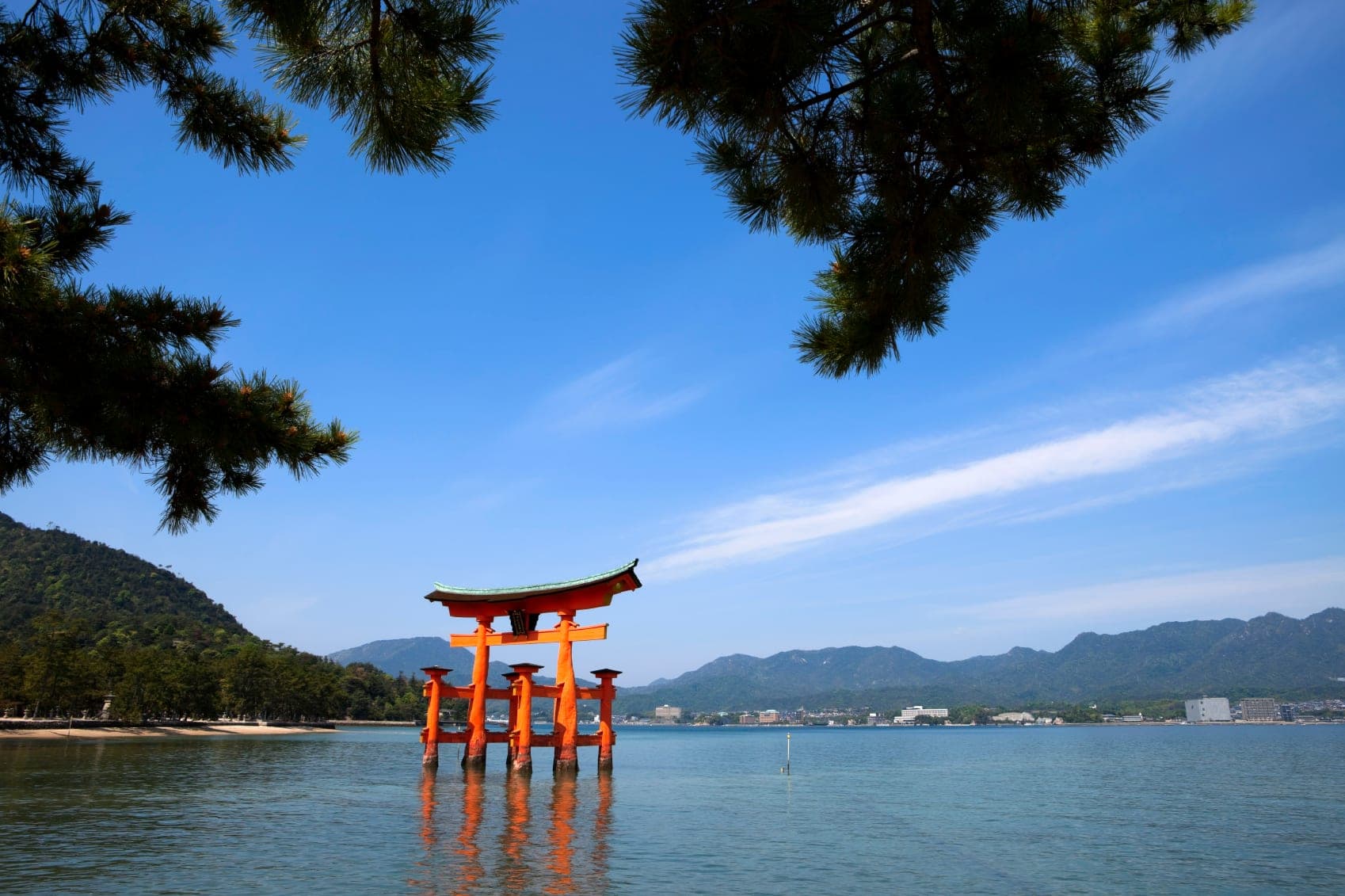
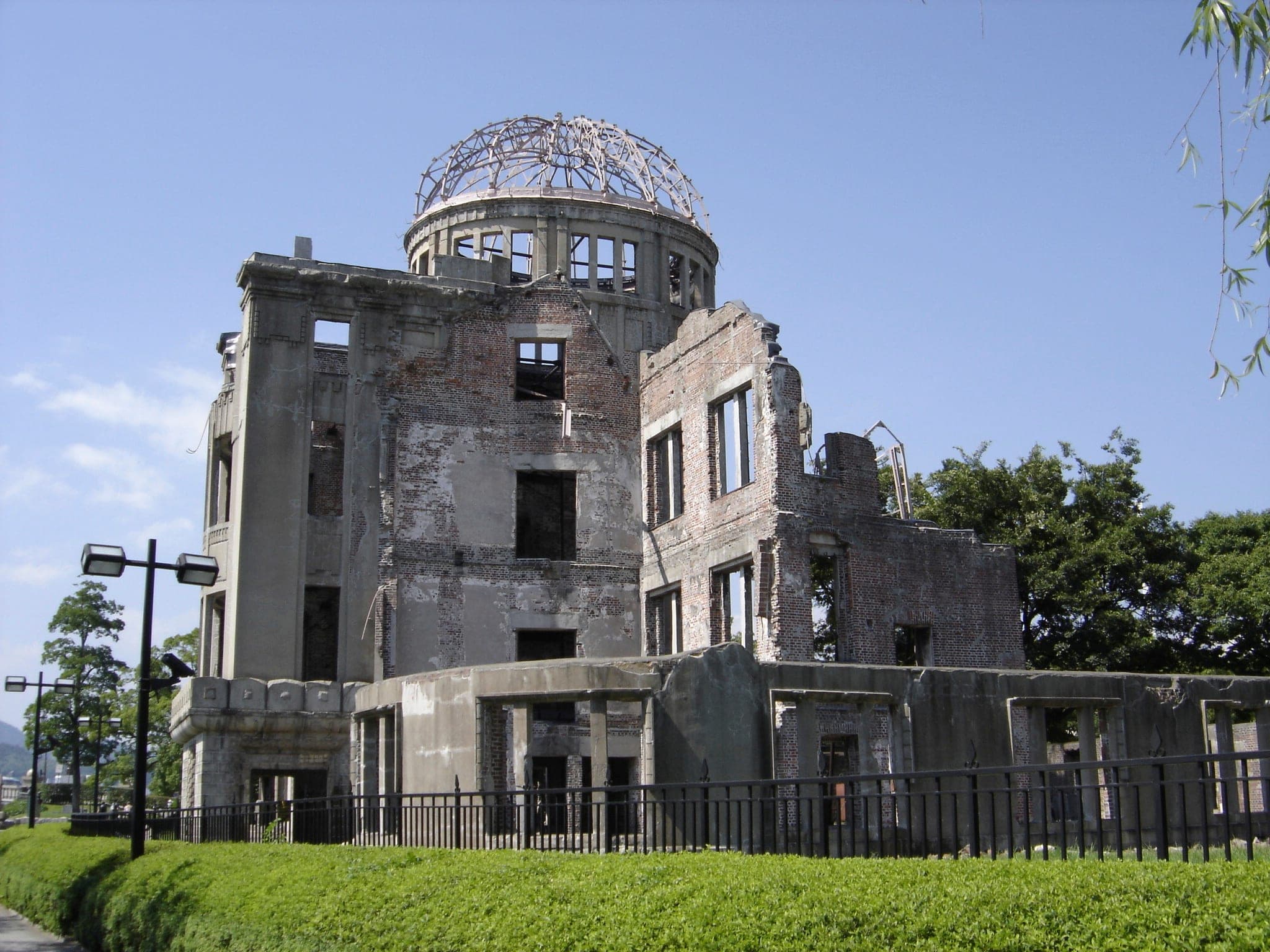
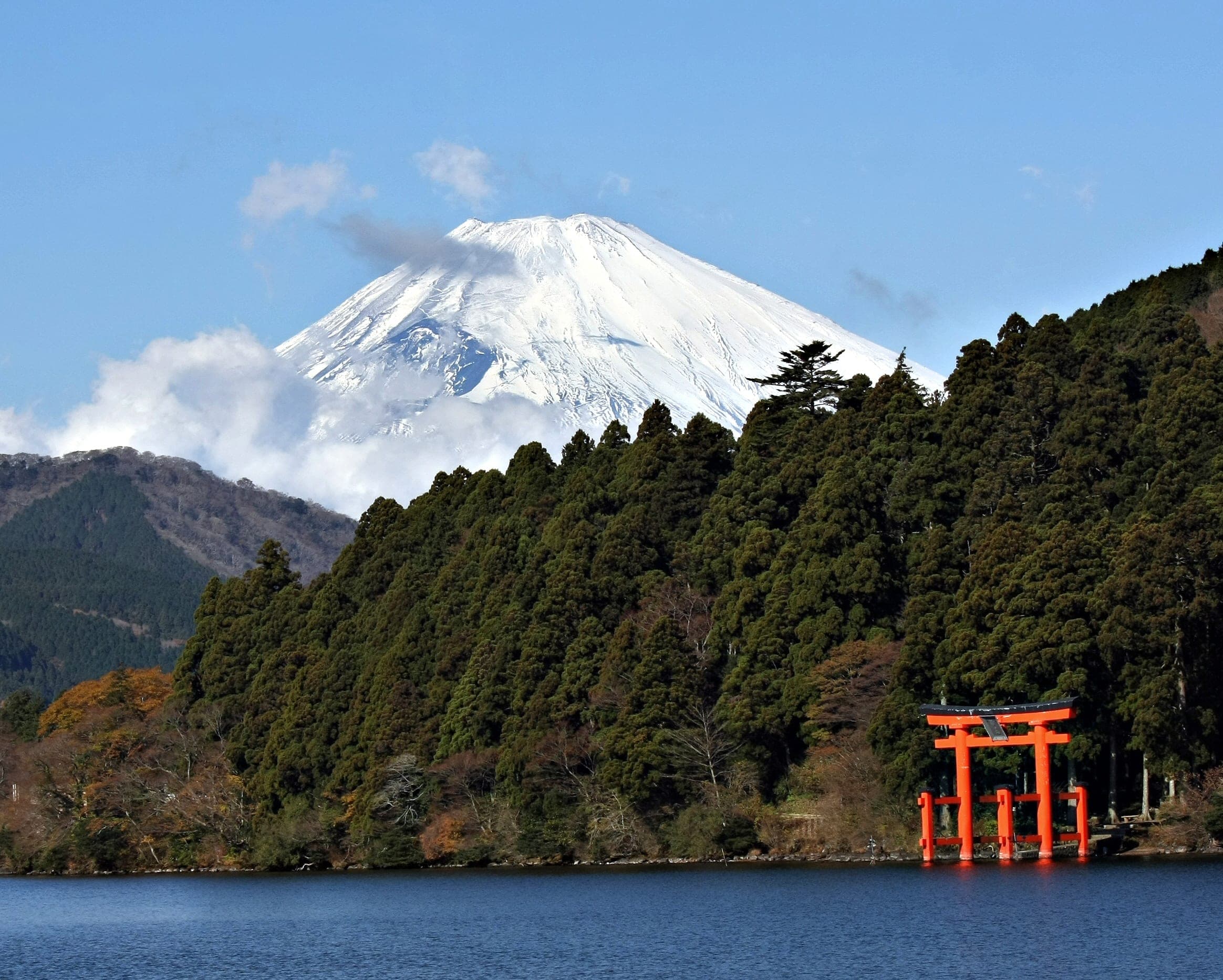
Every tour is different — but these are the kinds of moments students remember years later.
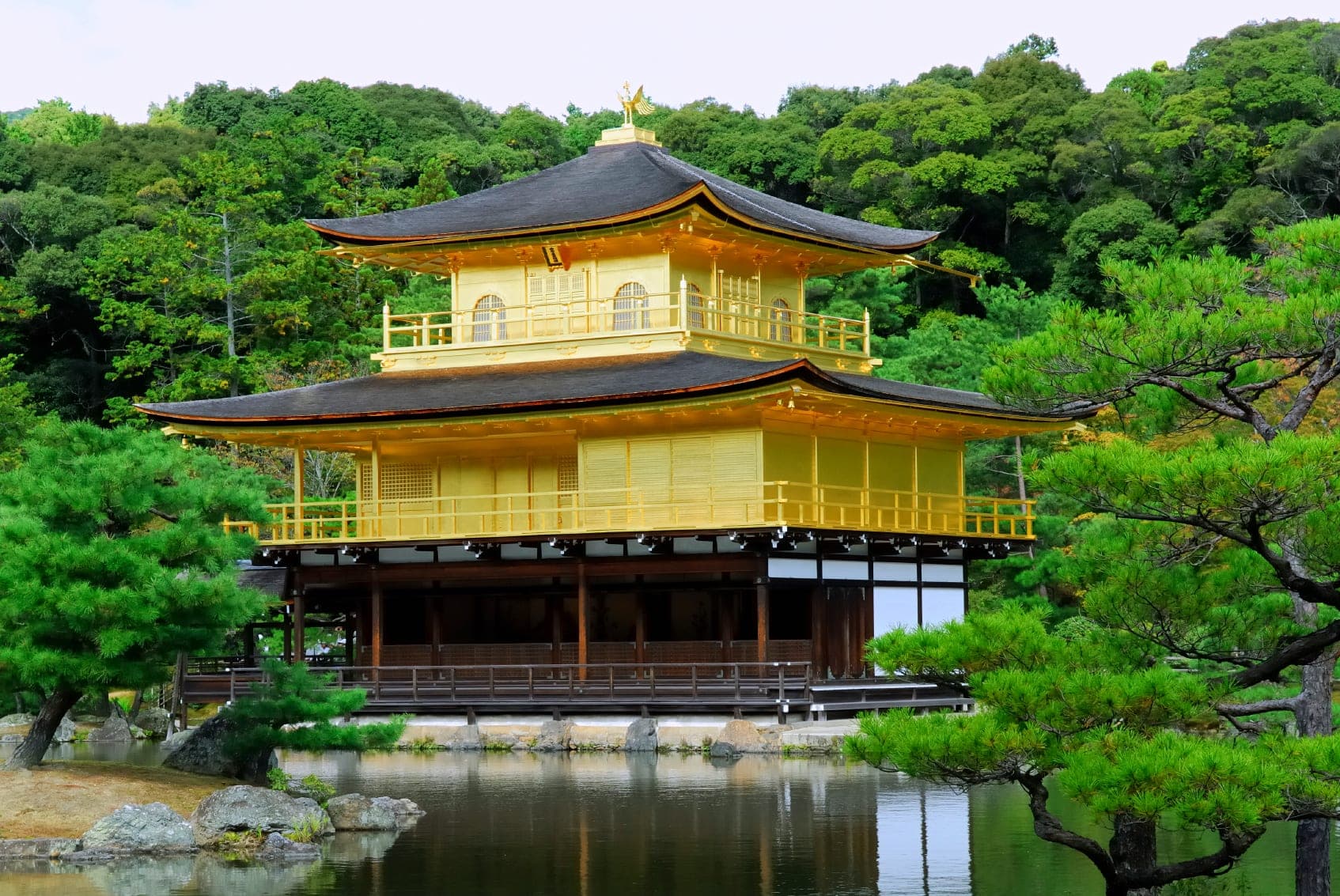
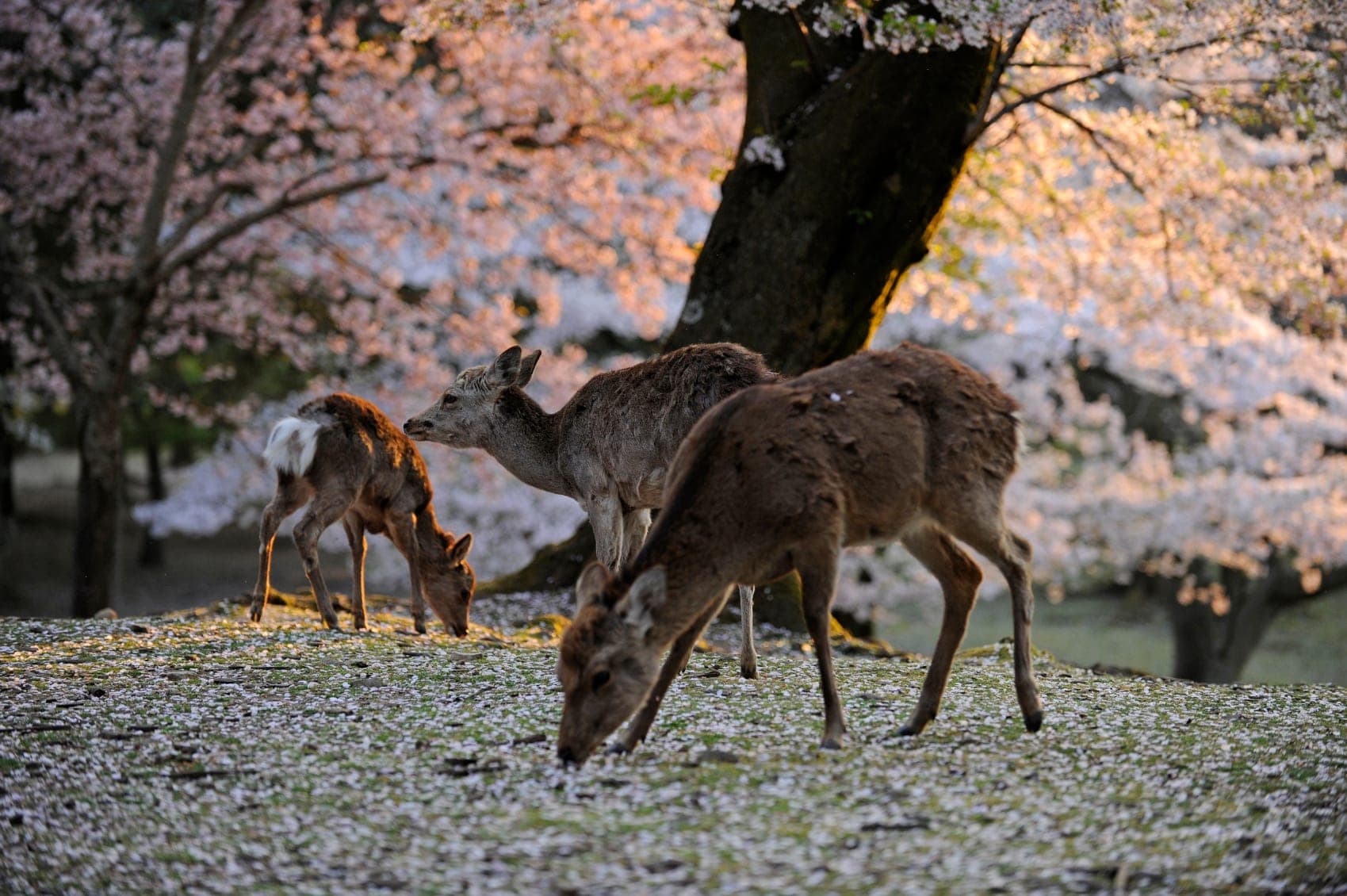
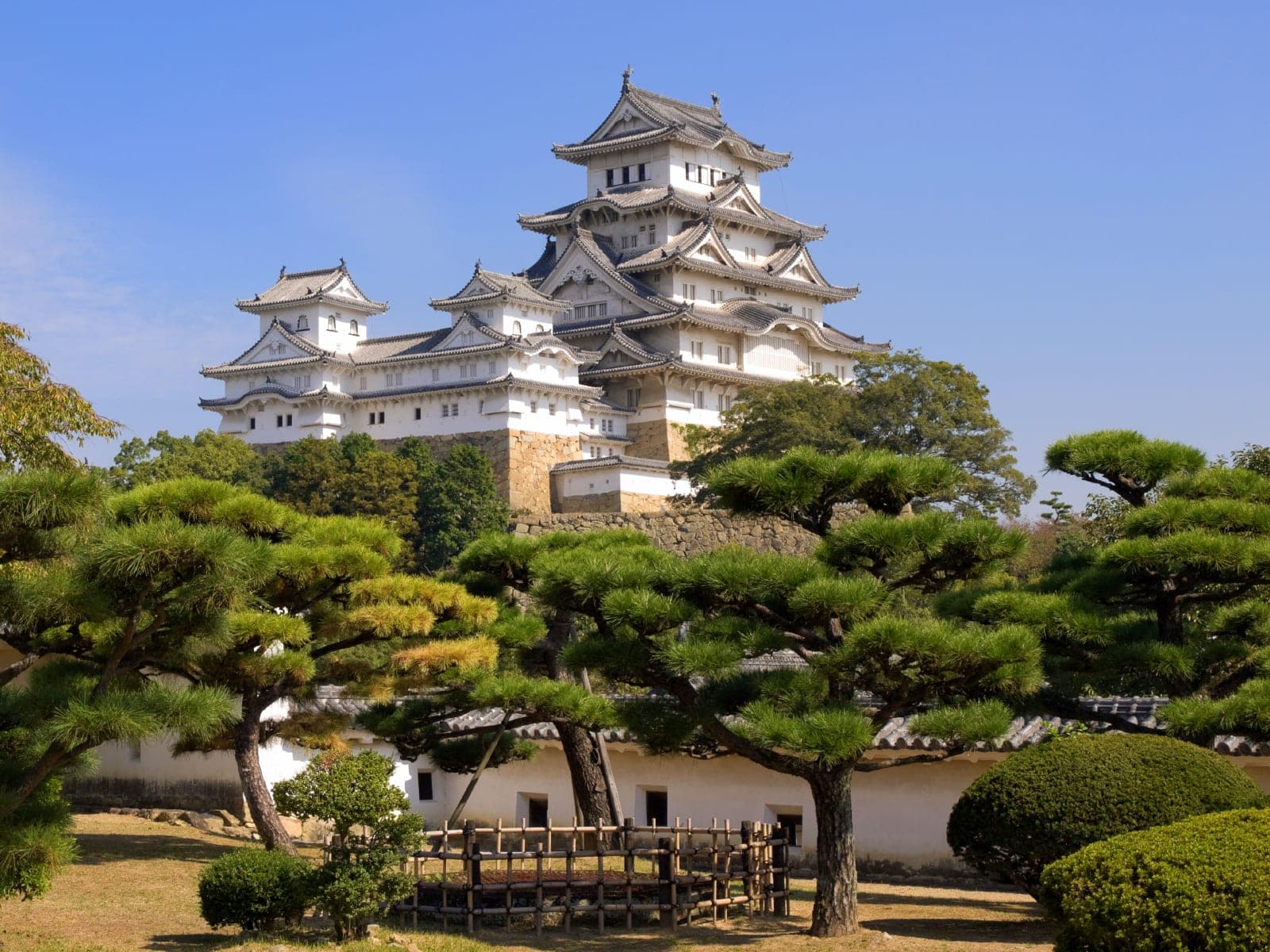
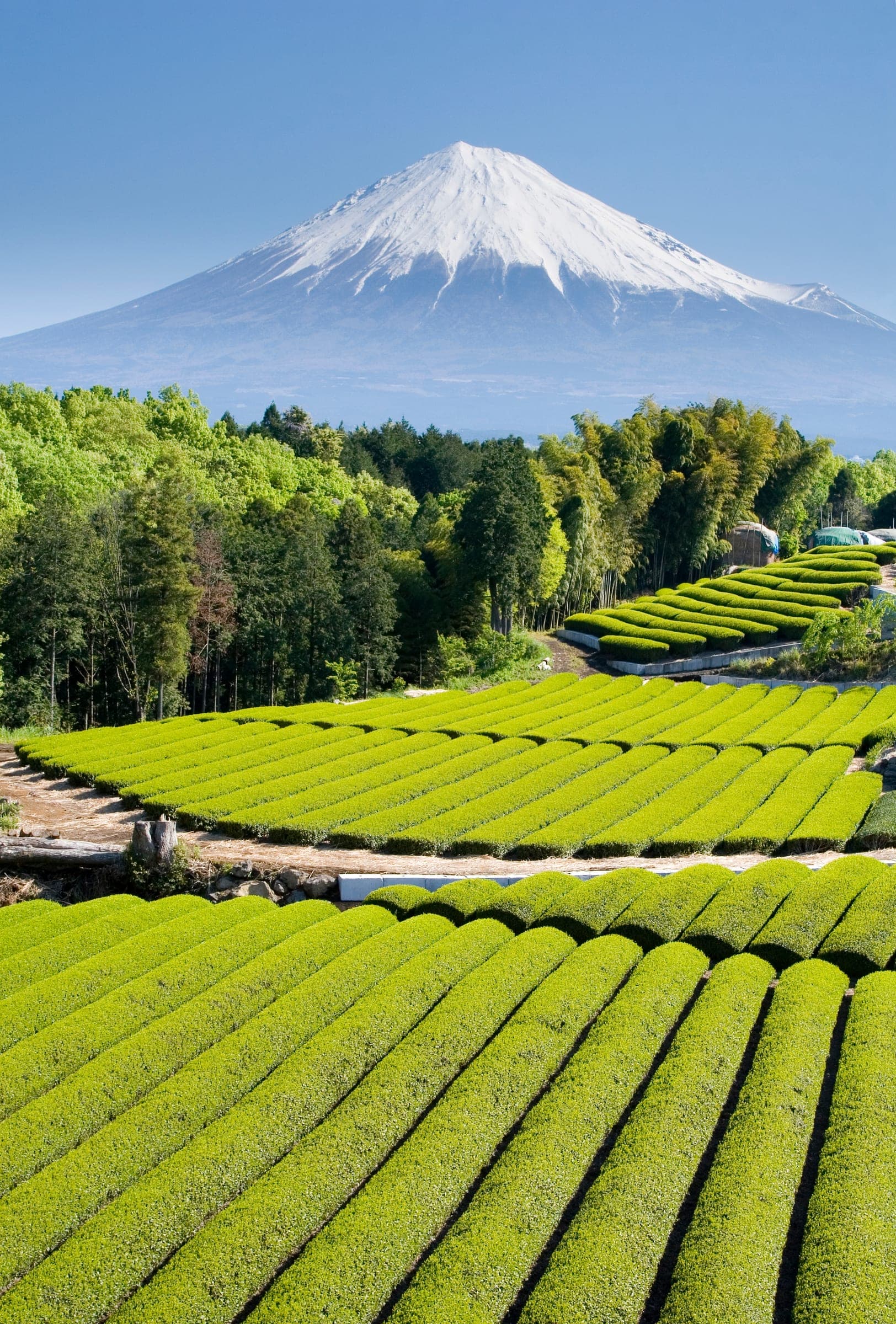
Crime against tourists is rare. The most common incidents are students separating from the group in a crowded station and losing track of personal items. Both are easy to prevent.
Stay close to the Tour Director; follow the daily schedule. Bus boarding takes a head count; don't be the one who holds it up.
Crowded subway stations, busy markets, and tourist hubs are the only places where pickpocketing happens at all. Keep bags zipped and to the front.
Photograph the data page; store the copy somewhere separate from the original. Hotel front desks may ask to see the original at check-in.
110 · Police
119 · Ambulance / Fire
+81 50 1742 2696 · Tour Director on the ground
For any travel emergency, call Passports at 1-800-332-7277 and press 1.
This is the single most-overlooked part of pre-trip prep. Read it carefully — even a valid US prescription does not exempt a banned substance.
Many over-the-counter and prescription medications common in the United States — including some used for pain, depression, anxiety, ADHD (or anything containing amphetamines), and several decongestants and allergy medications — are illegal in Japan.
You can be arrested for bringing in banned substances, even with a valid US prescription. Verify every medication you plan to bring against the current list before you fly. Visit the US Embassy & Consulate in Japan for the latest guidance.
Even with bullet trains and coaches, the best parts of Japan are explored on foot. Good walking shoes are non-negotiable.
An eSIM (Airalo, HolaFly, Saily) or international roaming covers navigation, translation, and group chat. Buy before you board.
Tap water is safe, clean, and quality-controlled. Carry a reusable bottle and refill at any of the public filling stations.
Yes. Train stations, shopping malls, and parks all have free public restrooms. Toilet paper isn't always provided in public washrooms — carry a small package of tissues, just in case.
Yes — tap water in Japan is clean, safe, quality-controlled, and widely available. Public water-filling stations are available in some areas. Bring a reusable water bottle.
Report it to the Tour Director immediately. Japan has an exceptionally efficient lost-and-found system and items are often recovered, though recovery is not 100% guaranteed.
Budget roughly ¥1,500–¥4,000 per day (about $10–$30 USD) for snacks and souvenirs. This doesn't account for more extensive shopping plans.
Your Tour Director knows the local hospitals near every program location. In an emergency dial 119 (ambulance/fire) or 110 (police). If you're separated from the group, call the Tour Emergency Phone or Passports' 24/7 line at 1-800-332-7277.
No. Tipping is not customary in Japan and can sometimes be politely refused. The price you see is the price you pay.
Every Japan itinerary is a starting point — a Tour Advisor tailors the cities, pace, and departure date around your group.
Japan is a land of contrasts — serene temples and bustling cities, ancient traditions and futuristic technology. Embrace every moment with respect, curiosity, and enthusiasm.
Our Tour Advisors answer the phone in person. Call between 9–5 ET on weekdays, or shoot us a message any time.