- RegionSeoul Capital Area, South Korea
- LanguageKorean
- CurrencySouth Korean won (KRW, ₩)
- Best seasonApr - May & Sep - Oct
- TimezoneKorea Standard Time (UTC+9)
A quick introduction
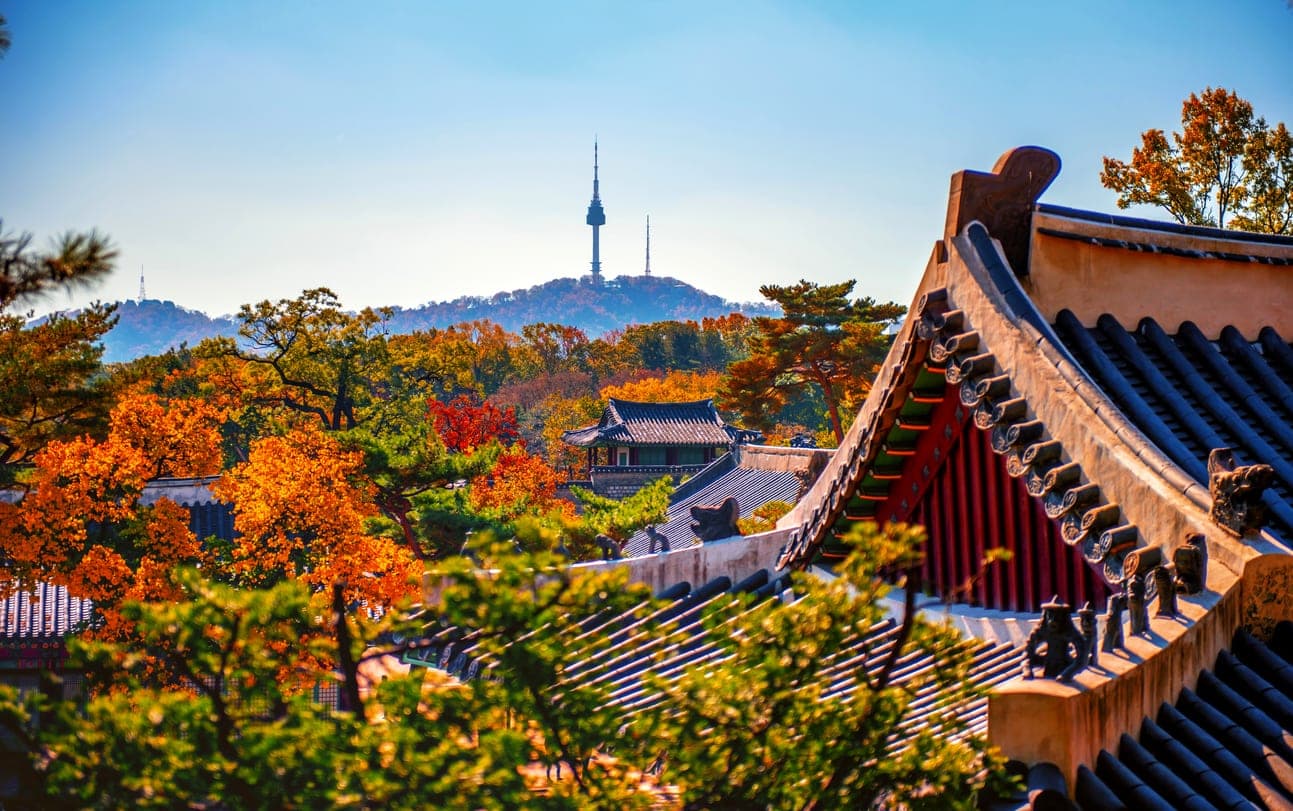
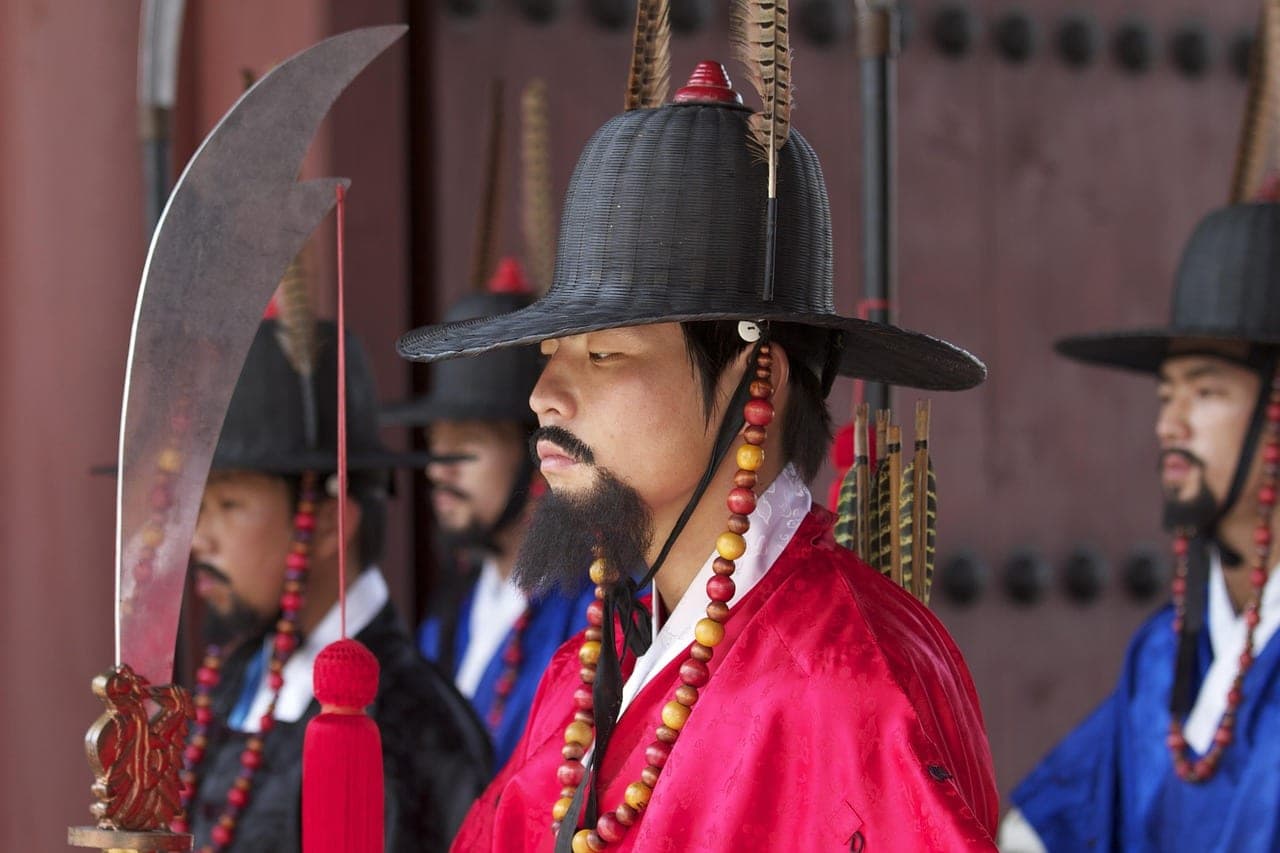
Seoul is a city of contrasts that students recognize from the plane window. A 600-year-old Joseon-dynasty palace shares a sightline with one of the densest skyscraper skylines on Earth. Five royal palaces, a hanok village, two UNESCO sites, and the DMZ day-trip all sit within an hour of the same hotel. The Han River cuts the city in half — old Seoul north of the river, the planned Gangnam business district to the south — and a metro system most students will rate the best they've ever ridden ties the whole thing together.
For a student group, Seoul is the most logistically friendly entry point in East Asia. English signage covers every metro station and major sight, the city is genuinely safe at any hour a teacher-led high school group is out, and the curricular density is strong: Joseon-era history, Cold War geopolitics at the DMZ, K-culture and contemporary East Asian politics, and a hyper-modern STEM angle in the same week. If you're weighing Seoul against Tokyo for a first East Asia educational tour, the deciding factor is usually the DMZ — there's nothing comparable in the region.
Top things to see and do


When to go
- Apr - May — cherry blossoms, the spring sweet spot
The classic window for educational travel to Seoul. Daytime highs 14-23°C, the Yeouido cherry-blossom festival in early April, and palace courtyards at their most photographable. The #1 spring-break window for high school group trips and the fastest hotel sellout — lock dates 6+ months out.
- Jun - Aug — monsoon then hot summer
Late June through July is jangma (Korean monsoon) — humid and genuinely wet. August is hot (28-33°C) and humid, with peak domestic-tourism crowding at the palaces. Summer student group travel works if the itinerary leans on palace mornings, AC-friendly museums, and indoor cultural workshops in the afternoon.
- Sep - Oct — autumn foliage, the other sweet spot
Typhoon risk fades after mid-September, then six weeks of crisp, dry weather and danpung (autumn leaves) peaking late October at Changgyeonggung and Namsan. Our favorite alternative to the crowded spring window — same weather, half the tourists.
- Dec - Mar — cold, dry, and bright
Seoul winters run -5 to 4°C with mostly clear skies and very little snow in the city itself. Christmas-and-New-Year illuminations across Cheonggyecheon and Gwanghwamun through mid-January. Tight for US school calendars but a solid fit for January interim terms.
Food and culture

Korean BBQ
Bulgogi (marinated beef) or galbi (short rib) grilled at the table, wrapped in lettuce with garlic and ssamjang. Every Seoul itinerary includes at least one BBQ dinner — Mapo and Hongdae have student-group-priced rooms.

Bibimbap
Mixed rice with seasoned vegetables, gochujang, and a fried egg, often served in a sizzling stone dolsot bowl. The most forgiving menu pick for students new to Korean food.

Tteokbokki & street food
Chewy rice cakes in sweet-spicy gochujang sauce — the signature Seoul market snack. Pair with hotteok (sweet pancakes) and odeng (fish-cake skewers) at Gwangjang or Myeongdong night markets.

Kimchi & banchan
Fermented napa cabbage and a constellation of free side dishes that arrive with every Korean meal. Over 200 named varieties; a Kimchi Museum visit in Insadong is a clean half-hour cultural add-on.

Bingsu
Shaved-ice mountain topped with red bean, condensed milk, fresh fruit, mochi, and ice cream. The summer reset after a hot palace morning — every café chain in Seoul runs a seasonal version.
What to pack
- Documents
Passport valid 6+ months past travel date, two printed copies (one for the student, one for the Tour Director's file), insurance card, and the Passports group packet. Most US passport holders need a K-ETA (electronic travel authorization) approved before departure — check status 60 days out and don't leave it for airport-day.
- Clothing
Layers across every season — palace courtyards run cold even in April, KTX cars and metro stations are heavily air-conditioned in summer. Modest shoulders-and-knees inside Buddhist temples; a light scarf solves it. Korean street style is sharp and students will up their game by day three.
- Footwear
Slip-ons earn their price by day two — students will take shoes off at temples, traditional restaurants, and any hanok experience. Add broken-in walking shoes for 15,000-step palace days. Skip flip-flops; Seoul sidewalks are unforgiving in summer rain.
- Rain gear
A packable rain jacket and a small umbrella — late-June jangma and early-autumn typhoons are real. Every convenience store sells a 3,000-won clear umbrella if the group gets caught between subway stops.
- Tech
Korea uses Type C / F plugs (European two-prong) at 220V — bring a universal adapter and confirm hair dryers are dual-voltage. A pocket-Wi-Fi rental at Incheon or a preloaded KT/SKT eSIM beats US carrier roaming. Public Wi-Fi is genuinely fast and ubiquitous.
- Extras
KF94 face masks for high-pollen or yellow-dust spring days, a portable battery for long palace-and-museum days, a reusable water bottle (tap is safe but most Koreans drink filtered), and a small US-team-logo gift if the itinerary includes a school exchange.
Is it safe?
Yes. Seoul is one of the safest large cities on Earth and the US State Department keeps South Korea at Level 1 ("exercise normal precautions") — the lowest advisory level, the same rating as Japan, Switzerland, or Norway. Violent crime against travelers is exceptionally rare; lost phones routinely come back via the Seoul Metro Lost & Found within a day. The realistic risk profile is natural — air-quality (PM2.5 / yellow dust) days in March and April, occasional summer typhoons clipping the south — plus the symbolic North Korea question, which on the ground translates to a structured DMZ tour with a vetted operator and not much else.
On a Passports teacher-led trip, the group is never on public transport alone, never splits up without a defined meetup time on the Tour Director's phone, and is never out of reach of a named Tour Director who stays with the group 24/7 for the full trip. We operate a 24/7 emergency line out of our Boston HQ, monitor air- quality bulletins daily and pivot itineraries when the AQI spikes, and maintain pre-vetted English-speaking medical contacts inside Seoul. For most teachers leading school group tours to Seoul, the day-to-day logistics feel calmer than a US domestic field trip.
Practical tips
- T-money is the universal tap card
Buy a T-money card at any convenience store on day one and load it at the kiosk. It covers Seoul Metro, every city bus, most taxis, and convenience-store snacks. Cards are accepted everywhere else; cash is rarely needed beyond a small palace-entrance buffer. Every Passports teacher-led trip pre-loads T-money for the group.
- The metro is the easiest in Asia
Nine numbered lines, color-coded, signed in Korean, English, Japanese, and Chinese, and clean enough to eat off (you can't — no food on the metro). Trains run every 2-4 minutes through the day. The Tour Director routes the group; students will use it independently by day two.
- Etiquette: bow, two hands, no shoes inside
A small bow is the default greeting. Pass and receive money, business cards, and gifts with two hands or right hand supported at the wrist. Shoes off at temples, traditional restaurants, and any homestay. No tipping in restaurants — the service charge is built in.
- English signage is excellent — Hangul basics still help
Every metro station, museum, and major sight signs in four languages. Younger Koreans handle English well; older shopkeepers may not. A 30-minute Hangul workshop on day one (the alphabet is genuinely teachable that fast) pays off every time a student reads a menu.
- Café culture and convenience stores run the day
Seoul has more cafés per capita than anywhere on Earth and the 24-hour convenience store (CU, GS25, 7-Eleven) is a legitimate meal stop — kimbap, ramyeon, triangle gimbap, and a hot-water kettle on the counter. Build in unstructured café time; the group uses it.