- RegionWestern Europe
- LanguageDutch, French, German
- CurrencyEuro (EUR)
- Best seasonApr - Jun, Sep - Oct
- TimezoneCentral European Time (UTC+1)
A quick introduction
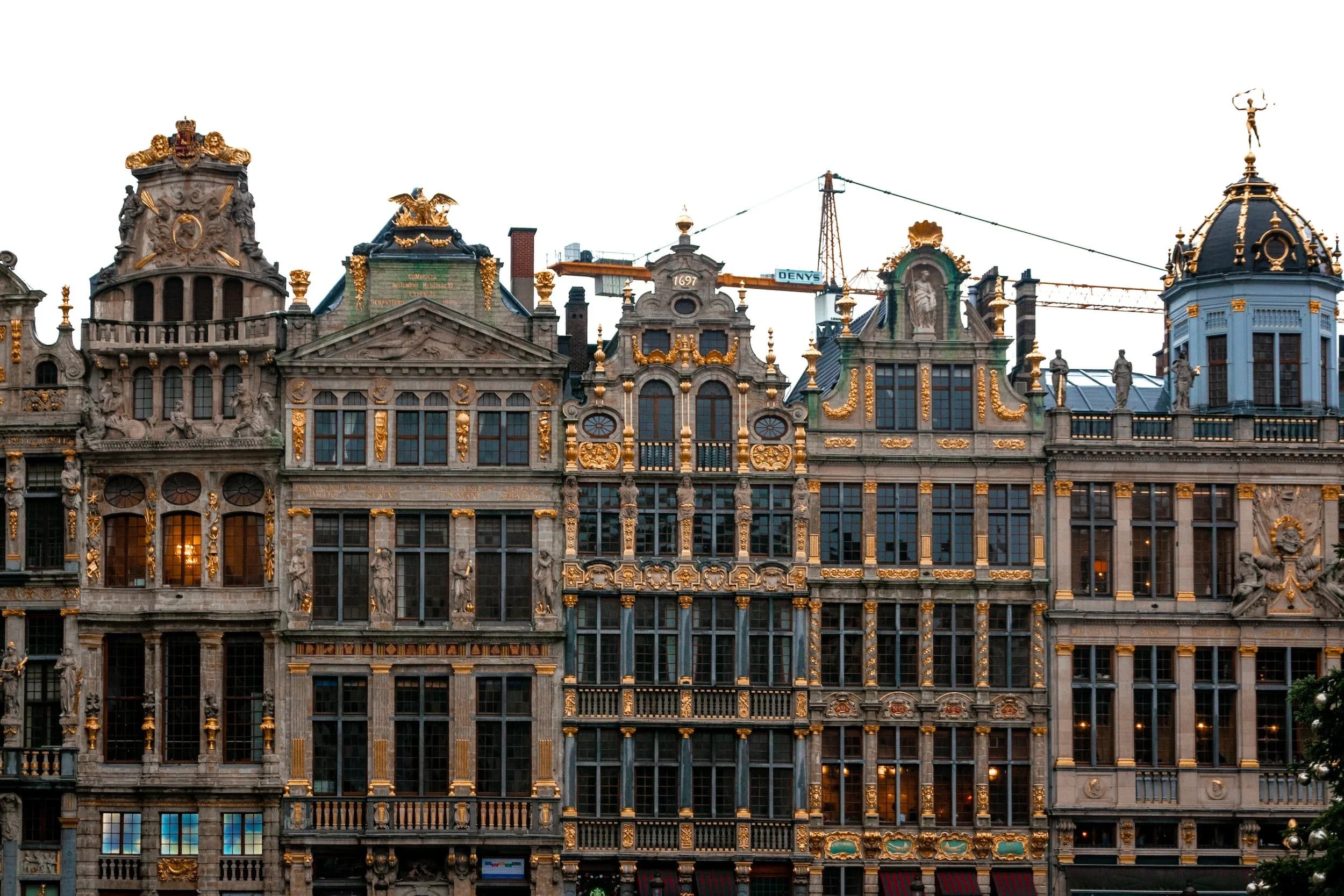
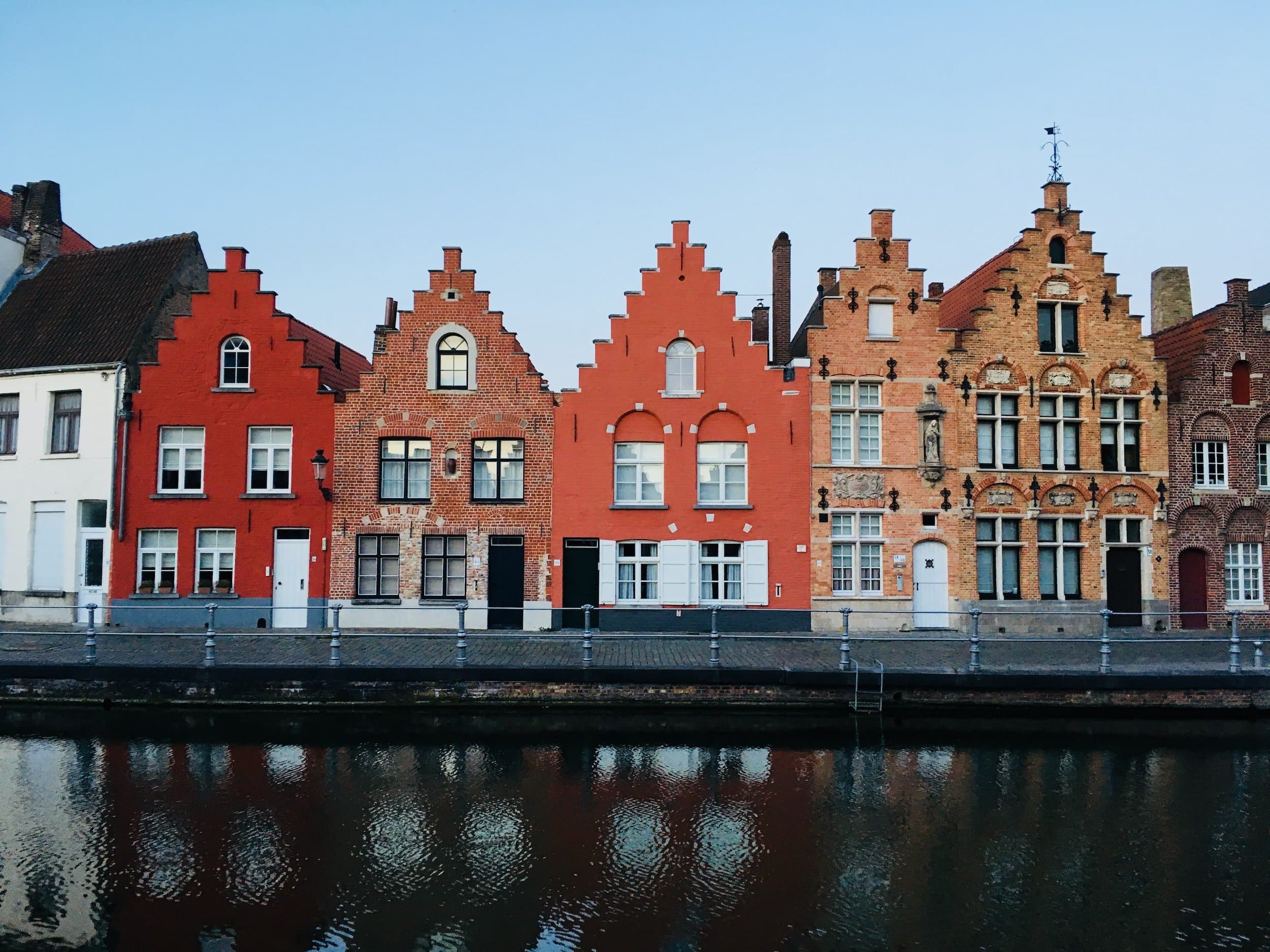
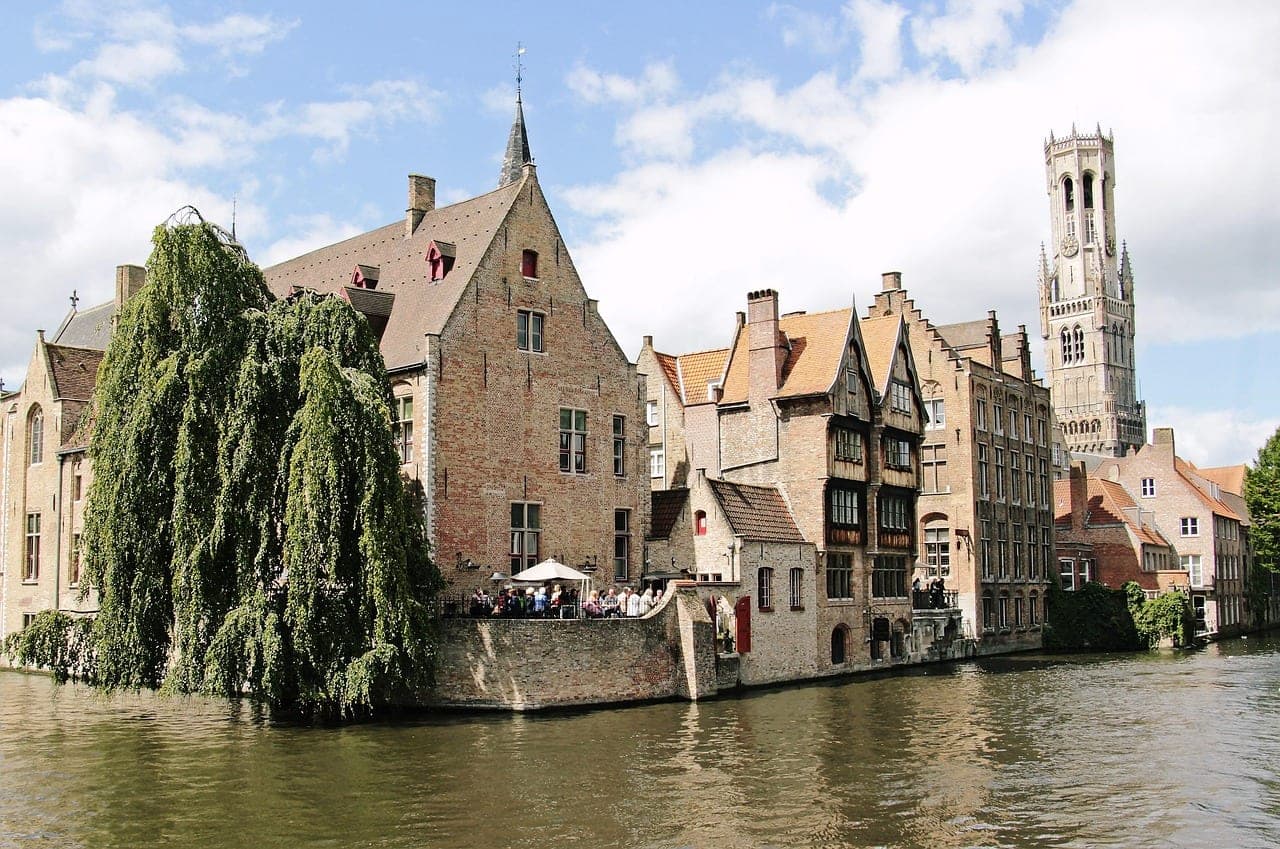
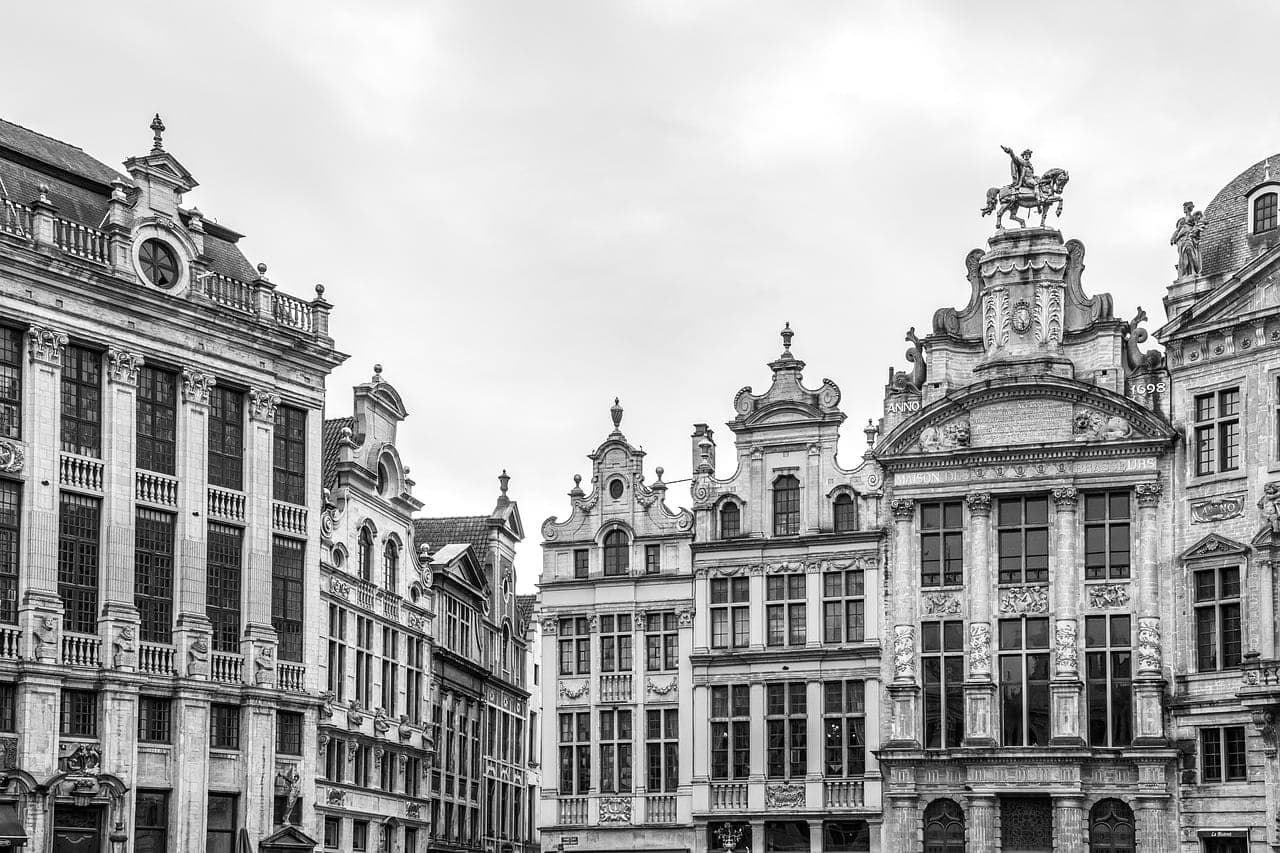
Belgium is small — 30,689 km², roughly the size of Maryland — with a population of about 11.7 million split between Dutch-speaking Flanders in the north, French-speaking Wallonia in the south, and a bilingual capital, Brussels, that doubles as the de-facto capital of the European Union. It is one of the most densely populated countries in Europe and one of the most concentrated in cultural payoff per kilometer: medieval Bruges, Renaissance Antwerp, the Grand Place in Brussels, and the WWI battlefields of Flanders Fields are all inside a two-hour train ride of one another.
Belgium punches well above its weight for educational travel. A week-long high school group trip can pair the medieval canals of Bruges with a Tyne Cot Cemetery visit on the Ypres Salient, then swing through Antwerp's diamond quarter and the Rubens House before landing back in Brussels for the European Parliament. The curricular fit cuts across AP European History, art history, French or Dutch language, and World War I — and because rail and coach transfers are short, the schedule stays generous instead of grinding. For teachers weighing a Belgium add-on against a Paris-only itinerary, the case is straightforward: more student group payoff, fewer logistical headaches.
Belgium by the numbers
A week with a Passports group
A typical Passports high school group trip to Belgium runs seven to nine days and slots cleanly into a Paris or Amsterdam combo for school calendars that open up in April, June, or late July. Day one is Brussels: arrival, a Grand Place orientation walk with the Tour Director who stays with the group for the full week, the Manneken Pis (it is small — that's the joke), and a chocolate-shop tasting crawl down the Rue des Bouchers before dinner. Jet lag does not survive a Belgian waffle.
The middle of the week is the curricular heart of the trip. Bruges by canal boat and on foot — the Markt, the Belfry, the Groeninge Museum's early Flemish primitives. A Flanders Fields day out of Ypres with a guided visit to Tyne Cot Cemetery, the In Flanders Fields Museum, and the Last Post ceremony at the Menin Gate, which has been played every evening at 8 PM since 1928 with only a four-year gap during Nazi occupation. Antwerp the next day for Rubens, the cathedral, and the diamond quarter; Ghent on the way back for the Van Eyck Adoration of the Mystic Lamb at Saint Bavo's Cathedral.
We've run student group travel to Belgium long enough that every moving part has a backup plan: a museum closure on a Monday, a rail strike out of Brussels Midi, a student who didn't realize Belgian frites are fried twice and ordered the spicy mayo. The educational travel piece is real — most itineraries include a service-learning component or a student-exchange morning at a Flemish secondary school for longer programs — but the part teachers remember is that the days end on time and nobody is sprinting for a train.
Top things to see and do


When to go
- Apr - Jun — spring sweet spot
The classic window for educational travel to Belgium. Daytime highs 14-22°C, long northern daylight, tulips in flower across the border in the Netherlands. The Bruges and Ghent canals catch real sunlight before summer haze sets in. Pre-book the Bruges belfry climb and the Ghent altarpiece chapel a couple of weeks out.
- Jul - Aug — peak summer, peak crowds
Daytime highs 22-26°C, occasional 30°C heat spikes that hit hard in cities with limited AC. Bruges day-trippers from Brussels and the cruise ships at Zeebrugge double the foot traffic. The Tomorrowland festival pulls a global crowd to Boom in late July. Still works for summer student group trips if you start museum mornings at opening.
- Sep - Oct — shoulder-season gold
The best-kept secret among teacher-led tours. Temperatures drop to 14-20°C, the canal-side trees turn, and the Bruges crowds thin out the second week of September. A September or October high school group trip lines up perfectly with academic-year kickoff and gets the country at its best.
- Nov - Mar — quiet, gray, magical at Christmas
Short daylight (sunset around 4:45 PM in December), drizzly, and well under freezing at night. The Brussels and Bruges Christmas markets are a real draw for interim-term and MLK-week trips. February is the quietest month — empty museums, no lines, and most trattorias open and grateful for the foot traffic.
Food and culture

Moules-frites
A pot of mussels steamed in white wine with celery and onion, served with a cone of golden fries on the side. The national dish in everything but the official paperwork. Brussels and the coast do it best; September is peak mussel season.

Frites with mayo
Twice-fried, served in a paper cone from a fritkot on the street, with mayonnaise as the default. The Belgians invented these — do not call them "French" within earshot of a local. Every student finds a favorite fritkot by day three.

Belgian waffles
Two kinds. Brussels waffles are rectangular, light, and powdered-sugar-on-top. Liège waffles are denser, oval, with pearl sugar caramelized into the dough. Both are breakfast, snack, and dessert depending on the time of day.

Carbonnade flamande
A slow-braised beef stew cooked in dark Belgian beer with onions, mustard-bread crusts, and a touch of brown sugar. Standard winter lunch in Flanders; a deeper, sweeter cousin of bourguignon.

Belgian chocolate
Pralines (filled chocolates) are a Belgian invention — Jean Neuhaus came up with them in Brussels in 1912. Neuhaus, Marcolini, Mary, and a hundred small chocolatiers compete for the daily crowd. A chocolate-tasting walk doubles as an economics lesson on artisanal vs. industrial production.
Classroom connections
What to pack
- Documents
Passport valid 6+ months past travel date, two printed copies (one for the student, one for the Tour Director's file), insurance card, and the Passports group packet. No visa required for US citizens on a stay under 90 days in the Schengen area.
- Clothing
Layers, layers, layers. Belgium runs cool and damp even in summer; mornings on the Bruges canals are jacket weather even in July. Modest dress (shoulders and knees covered) is enforced inside Saint Bavo's, the Cathedral of Our Lady, and most active churches. A light scarf solves most dress-code moments on the fly.
- Footwear
Serious, broken-in walking shoes. Bruges and Ghent are cobblestones end-to-end and a student group will log 10,000–13,000 steps a day. Waterproof or quick-dry beats leather — there will be at least one wet day. Do not buy new shoes for the trip.
- Rain gear
A lightweight, packable rain jacket (not a poncho — they tear and don't breathe). Belgium gets rain on roughly 200 days a year; a compact umbrella in the daypack is non-negotiable from October through April.
- Tech
Belgium uses Type E plugs (European two-prong with grounding pin) — a universal adapter handles it. A portable battery earns its keep on full museum days. T-Mobile and Google Fi work out of the box; other carriers should pick up a Proximus or Orange eSIM on arrival.
- Extras
A small daypack for museum days (anything larger has to be checked at the door), a reusable water bottle (Belgian tap water is excellent), sunscreen even in cloud (UV reflects off wet pavement), and a few euros in coin for café and museum bathrooms.
Is it safe?
Yes. Belgium's US State Department rating is Level 2 ("exercise increased caution") — the same rating as France, Germany, the UK, and most of Western Europe — and the elevated level reflects generic European terrorism risk, not anything specific to the cities we visit. Violent crime against travelers is genuinely rare. The actual risk profile in Belgium is pickpocketing at a handful of predictable hotspots: Brussels Midi station, the Grand Place at peak hours, and the trams between Bruges station and the Markt during cruise-ship days.
On a Passports teacher-led trip, the group is never on public transport alone, the Tour Director runs a pickpocket-awareness briefing on the first evening, and every hotel is pre-vetted for 24-hour reception and secure room storage. We operate a 24/7 emergency line out of our Boston HQ, keep parents on a daily-update channel, and have English-speaking medical contacts in every city we visit. For most teachers running their first school group tours to Belgium, the logistics feel easier than a domestic field trip.
Practical tips
- Greet people in the local language
Brussels is bilingual — bonjour and goedendag both work. In Flanders (Bruges, Ghent, Antwerp), lead with goedendag or English; in Wallonia (Namur, Liège, the Ardennes), lead with bonjour. Mixing the wrong one isn't a crime, but the local effort is appreciated and shop owners warm up immediately.
- Cards work everywhere, cash for fritkots
Contactless tap-to-pay is universal at restaurants, museums, and shops. Keep a small reserve of euro coins for street-food fritkots, café bathrooms, and the occasional bakery counter that hasn't joined the 21st century. Tipping is not expected; service is included.
- Trains are fast, frequent, and the right call
Belgian rail (SNCB/NMBS) connects Brussels, Bruges, Ghent, and Antwerp in 30–80 minutes per leg. Every Passports teacher-led trip uses a private coach for cross-country transfers, but shorter intra-Belgium hops can run on rail with the Tour Director coordinating both ends.
- Lunch is the big meal — eat well at midday
Belgians eat their largest meal at lunch, and most restaurants run a plat du jour / dagschotel between noon and 2 PM at half the dinner price. Build the day around a long sit-down lunch and keep dinner light — the group will be happier and the budget will stretch further.
- Sundays close earlier than you think
Most non-tourist shops, supermarkets, and pharmacies close on Sundays or by early afternoon. Museums are open; small bakeries and chocolatiers are not. Plan the Sunday for walking, churches, and museums, not for shopping or last-minute supply runs.