- RegionWest Flanders, Belgium
- LanguageDutch (Flemish)
- CurrencyEuro (EUR)
- Best seasonApr - Jun, Sep - Oct
- TimezoneCentral European Time (UTC+1)
A quick introduction
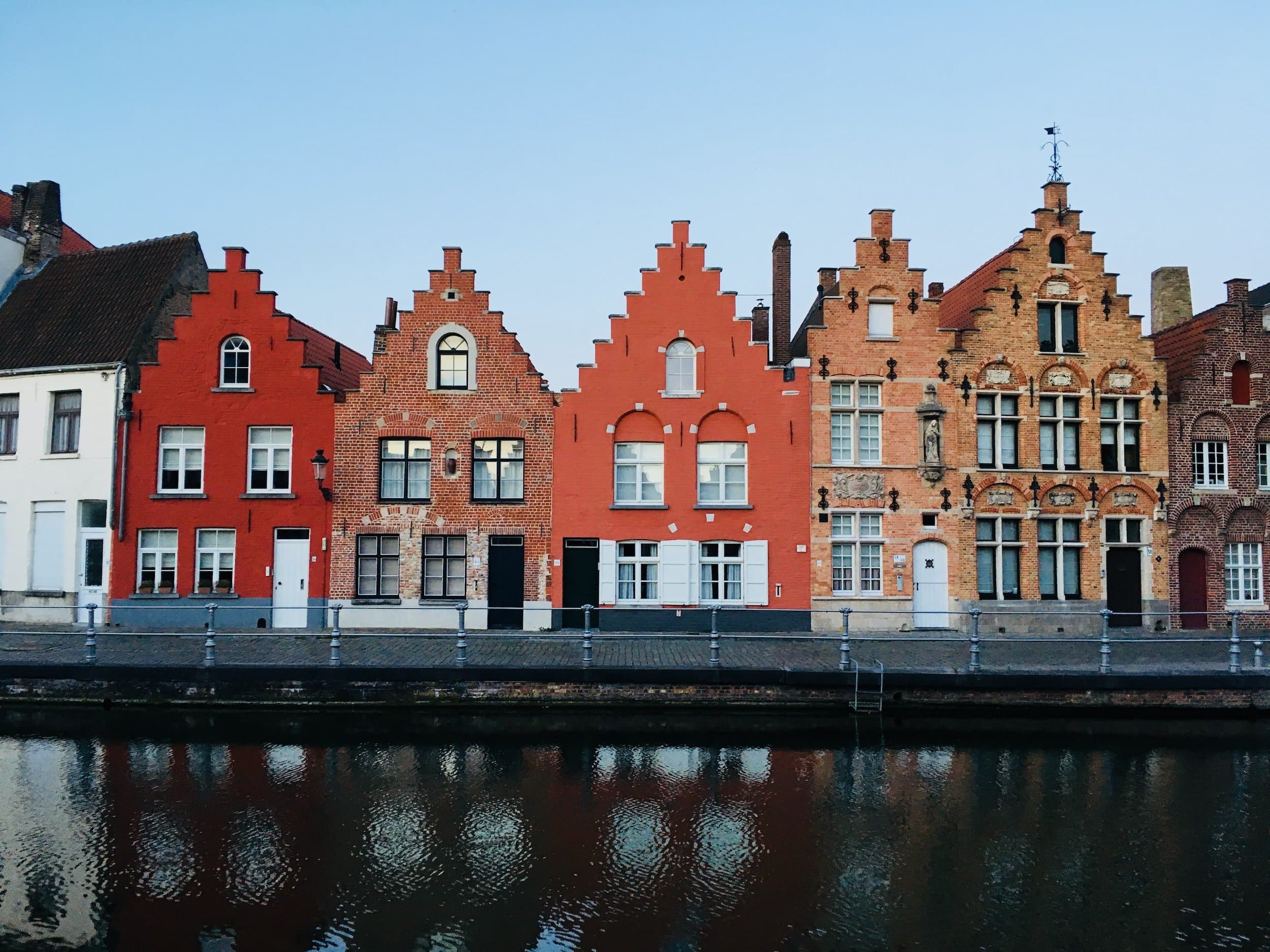
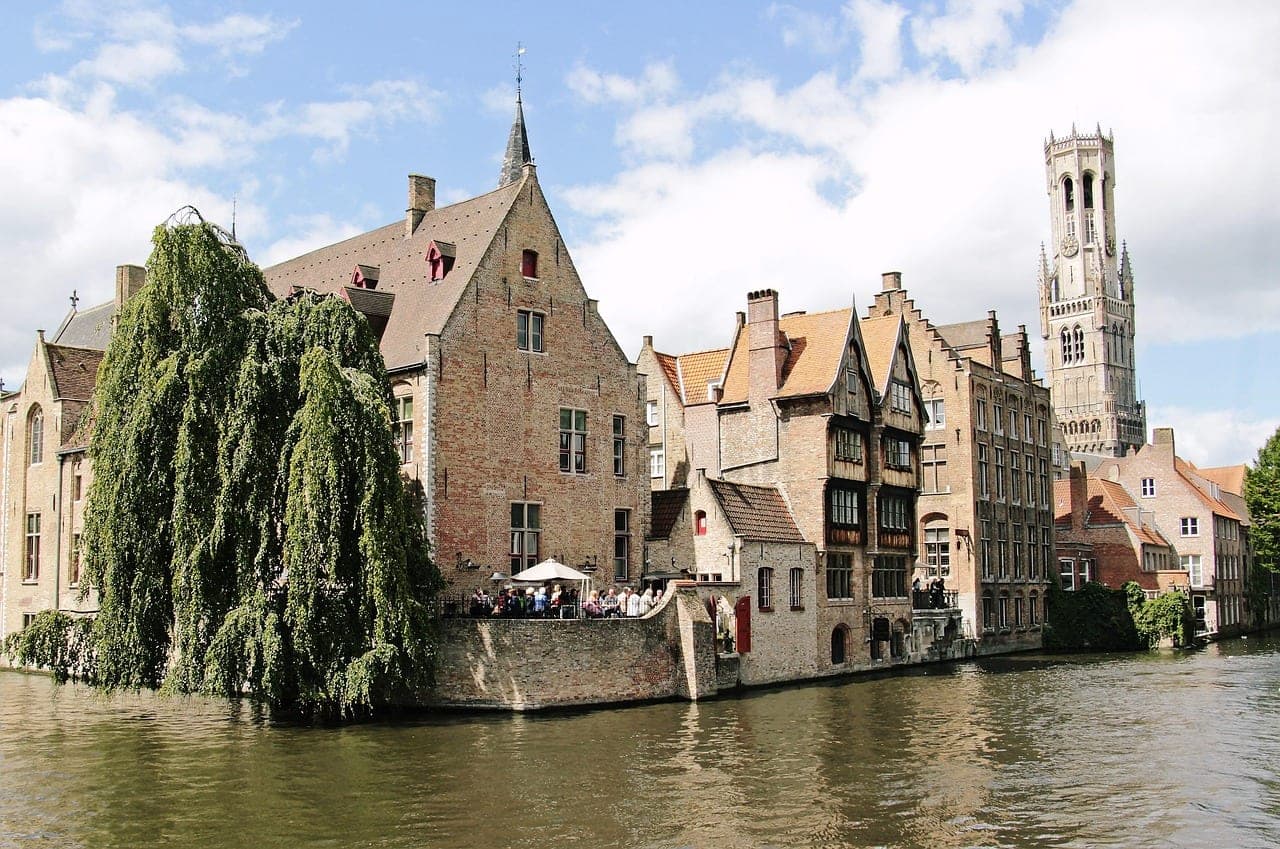
Bruges is a medieval trading city that history quietly forgot. In the 13th and 14th centuries it was one of the wealthiest cities in northern Europe — a cloth-and-finance hub on the North Sea trade routes — and then the Zwin estuary silted up, the trade left, and Bruges fell into a 400-year economic coma that, paradoxically, preserved every belfry, gabled house, and stone bridge in place. The whole 430-hectare historic center is a UNESCO World Heritage site, with about 20,000 people still living inside the medieval walls.
For a student group, Bruges is the rare destination that delivers on the postcard. Most of our teacher-led tours pair an overnight in Bruges with a day-trip to Ghent or Ypres, which lets the group experience the city after the day-trippers leave — when the Markt empties out and the Belfry chimes carry across the canals. The curricular fit is unusually rich for a city this small: medieval history, Northern Renaissance art, mercantile economics, and Flemish language all in a place a student can walk across in 25 minutes.
Top things to see and do


When to go
- Apr - Jun — spring sweet spot
The classic window for educational travel to Bruges. Daytime highs 14-22°C, long northern daylight, canal boats running every 20 minutes. The flowering wisteria along the Dijver and the post-Easter calm make this the strongest combination of weather and accessibility for a high school group trip.
- Jul - Aug — peak crowds, peak heat
Daytime highs 22-26°C with occasional 30°C spikes. The Zeebrugge cruise ships disgorge thousands of day-trippers between 10 AM and 4 PM. A summer student group can absolutely make Bruges work — start the day at 8 AM, eat lunch late, and own the Markt after 5 PM when the buses pull out.
- Sep - Oct — shoulder-season gold
The best-kept secret among teacher-led tours to Belgium. After the second week of September the day-tripper volume drops in half, the canals catch low golden light, and museum entry is walk-up. Temperatures 14-20°C — jacket weather but not cold yet.
- Nov - Mar — quiet, gray, magical at Christmas
Short daylight (sunset around 4:45 PM in December), drizzle most days, and a very real chance of fog on the canals. The Bruges Christmas market on the Markt and the ice-skating rink on the Simon Stevinplein run late November through early January and pull a different kind of student group entirely. February is empty in the best way.
Food and culture

Moules-frites
A pot of mussels steamed in white wine, celery, and onion, served with a cone of golden fries on the side. The default Bruges lunch — every restaurant on the Markt and most of the side streets serves a version. September is peak mussel season.

Vlaamse stoverij (Flemish stew)
Slow-braised beef in dark Belgian beer with onions, mustard-bread crusts, and a touch of brown sugar. Served with frites and a glass of the same beer used in the braise. The cold-weather lunch you'll want twice in the same week.

Belgian waffles
Liège waffles — denser, oval, with pearl sugar caramelized into the dough — are the takeaway-window default in Bruges. Brussels waffles (rectangular, lighter, powdered sugar) live on the sit-down menus. Both qualify as breakfast, snack, and dessert.

Bruges chocolate
The city has more chocolate shops per capita than almost anywhere on Earth. Dumon, The Chocolate Line, and Sukerbuyc all make pralines on-site. A two-hour tasting walk doubles as an economics lesson on artisanal vs. industrial production.

Trappist beer
Belgium has six of the world's eleven officially-designated Trappist breweries; Westvleteren is an hour's drive from Bruges. A non-tasting beer-history half-hour at a brown café (think monastery economics, not student drinking) is a legitimate cultural-studies stop for an 18+ group.
What to pack
- Documents
Passport valid 6+ months past travel date, two printed copies (one for the student, one for the Tour Director's file), insurance card, and the Passports group packet handed out before departure. No visa required for US citizens on a stay under 90 days in the Schengen area.
- Clothing
Layers for a city that runs cool and damp even in July. Modest dress (shoulders and knees covered) is enforced inside the Basilica of the Holy Blood, the Onze-Lieve-Vrouwekerk, and the Begijnhof chapel. A light scarf solves dress-code issues on the fly and doubles as a windbreak on the canal boat.
- Footwear
Serious, broken-in walking shoes. Bruges is cobblestones end-to-end and a student group will log 10,000–13,000 steps a day. Waterproof or quick-dry beats leather — there will be at least one wet day in any week. Heels and brand-new sneakers will end the trip in a CVS bag.
- Rain gear
A lightweight, packable rain jacket (not a poncho — they tear and don't breathe). Bruges sees rain on roughly 200 days a year; a compact umbrella in the daypack is non-negotiable from October through April and a smart insurance buy April through September.
- Tech
Belgium uses Type E plugs (European two-prong with a grounding pin) — a universal adapter handles it. A portable battery earns its keep on full canal-and-museum days. T-Mobile and Google Fi work out of the box; other US carriers should pick up a Proximus or Orange eSIM on arrival.
- Extras
A small daypack for museum days (anything larger has to be checked at the Groeninge), a reusable water bottle (Bruges tap water is excellent), sunscreen even in cloud, and a few euros in coin for café and museum bathrooms (50 cents is standard).
Is it safe?
Yes. Belgium's US State Department rating is Level 2 ("exercise increased caution") — the same rating as France, Germany, and the UK — and the elevated level reflects generic European terrorism risk, not anything specific to Bruges. Bruges itself is one of the safest cities in Western Europe by any honest measure: violent crime against travelers is genuinely rare, and the actual risk is pickpocketing in a few predictable places, mostly the trams between the train station and the Markt during cruise-ship days.
On a Passports teacher-led trip, the group is never on public transport alone, the Tour Director runs a pickpocket-awareness briefing on the first evening, and the hotels we use are walking distance from the historic center with 24-hour reception. We operate a 24/7 emergency line out of our Boston HQ, keep parents on a daily-update channel, and have English-speaking medical contacts in every city we visit. For most teachers running their first school group tours to Belgium, the logistics in Bruges feel easier than a domestic field trip.
Practical tips
- Greet people in Dutch first
Bruges is in Flanders — goedendag (good day) and dank u (thank you) are the right openers, with English as the common second language. French works but is read as "from Wallonia" and shop owners will switch to English faster than to French. The Dutch effort is appreciated and warms up the interaction.
- Cards everywhere, coins for bathrooms
Contactless tap-to-pay is universal at restaurants, museums, shops, and even the canal boats. Keep a small reserve of euro coins (50¢ pieces especially) for café and museum bathrooms, church donation boxes, and the occasional bakery counter. Tipping is not expected; service is included.
- Sundays close earlier than you think
Most non-tourist shops, supermarkets, and pharmacies close on Sundays or by early afternoon. The chocolate shops on Mariastraat and the museums stay open; small bakeries and the local pharmacy do not. Plan Sunday around walking, churches, and museums, not last-minute supplies.
- The city is best after the day-trippers leave
Cruise-ship and bus day-trippers are gone by 5 PM. The Markt, the Burg, and the canals empty out, the Belfry chimes carry farther, and the lit-up brick facades reflect off the water. Every Passports teacher-led trip schedules a guided post-dinner walk for exactly this reason — it's the trip's quiet showpiece.
- Lunch is the big meal — eat well at midday
Belgians eat their largest meal at lunch and most restaurants run a dagschotel (dish of the day) between noon and 2 PM at half the dinner price. Build the day around a long sit-down lunch on a quieter side street and keep dinner light — the group will be happier and the budget will stretch further.