- RegionWestern Europe
- LanguageDutch (English widely spoken)
- CurrencyEuro (EUR)
- Best seasonApr - Jun & Sep (shoulder season)
- TimezoneCentral European Time (UTC+1 / UTC+2 DST)
A quick introduction
The Netherlands is compact — 41,850 km², a shade larger than Maryland — with roughly 17.8 million people packed into one of the densest countries in Europe. The capital on paper is Amsterdam; the seat of government, parliament, and the royal residence sit in The Hague. About a quarter of the country is below sea level, and the Dutch have been engineering their way around that fact for eight hundred years — every polder, dike, and storm-surge barrier on the itinerary is a working piece of infrastructure, not a museum piece.
For a high school group trip, the Netherlands is one of the most forgiving first-international destinations in Europe. English is near-universal among anyone under forty, the train network makes day trips between Amsterdam, Delft, Utrecht, and Rotterdam genuinely easy, and the curricular surface is deep: WWII and Holocaust history at the Anne Frank House, the Dutch Golden Age across the Rijksmuseum and the Mauritshuis, international law at The Hague, and an earth-science case study in polders and the Delta Works. It's a strong standalone trip for educational travel programs and an even stronger pairing with Belgium or Germany for school group tours that want a second country on the ground.
Netherlands by the numbers
A week with a Passports group
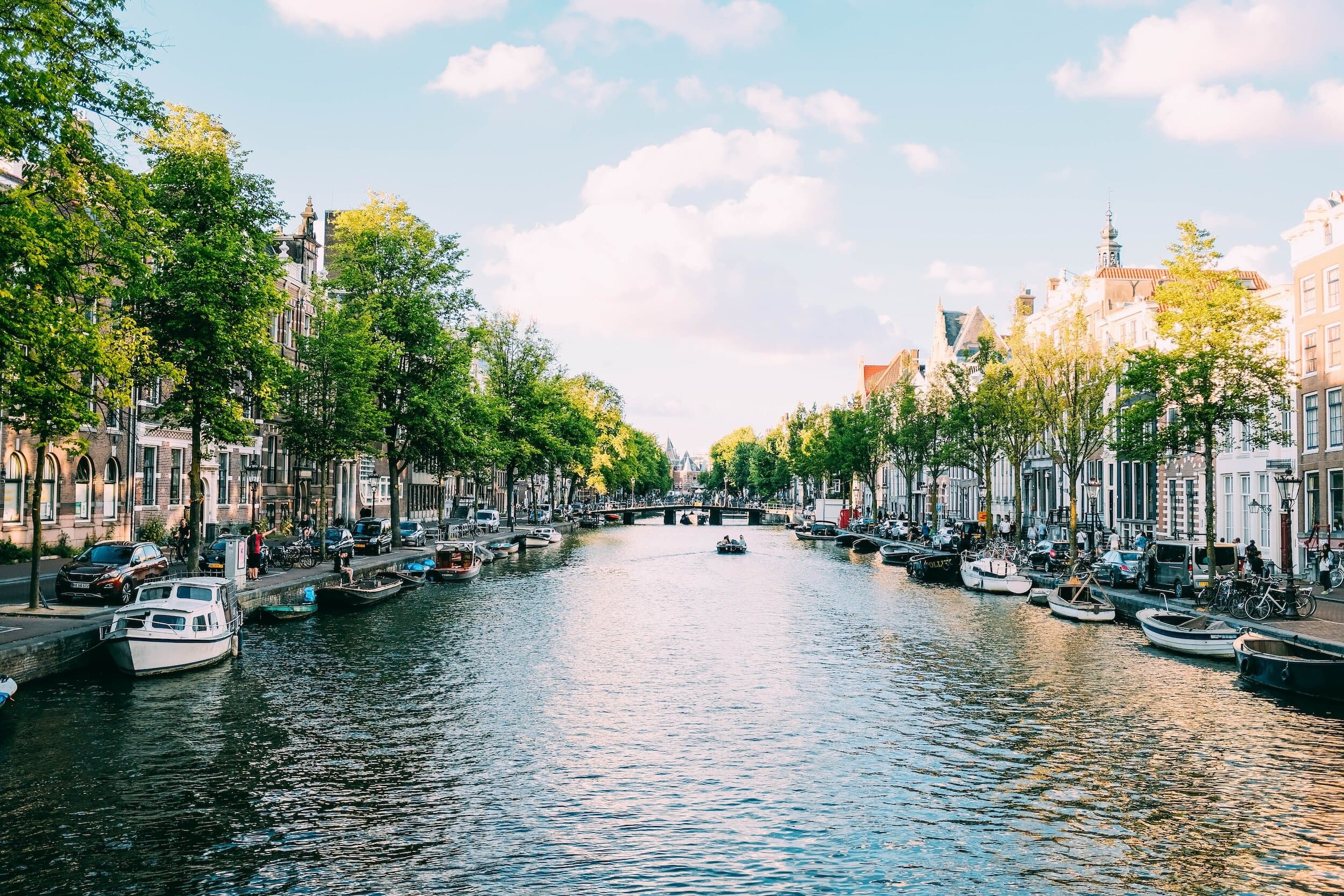
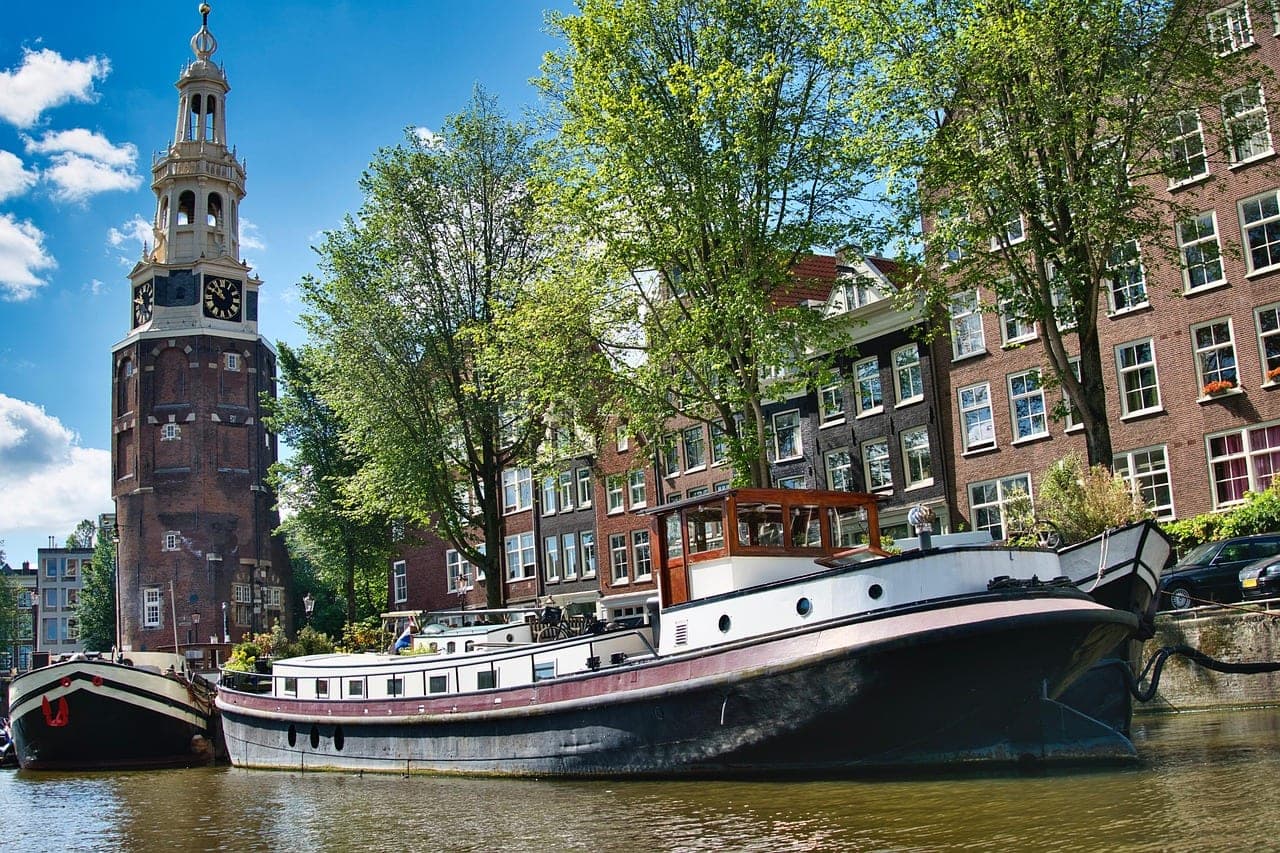
A typical Passports high school group trip to the Netherlands runs six to eight days and lands at Schiphol, twenty minutes from the center of Amsterdam by train. Day one is orientation: a canal-boat cruise that does the city's geography faster than a walking tour, dinner near the Jordaan, and a briefing with the Tour Director who stays with the group for the full week. Day two the itinerary hits the Anne Frank House first thing in the morning — timed tickets book out months ahead — followed by the Rijksmuseum and the Van Gogh Museum in the afternoon, and an evening walk around the Nine Streets.
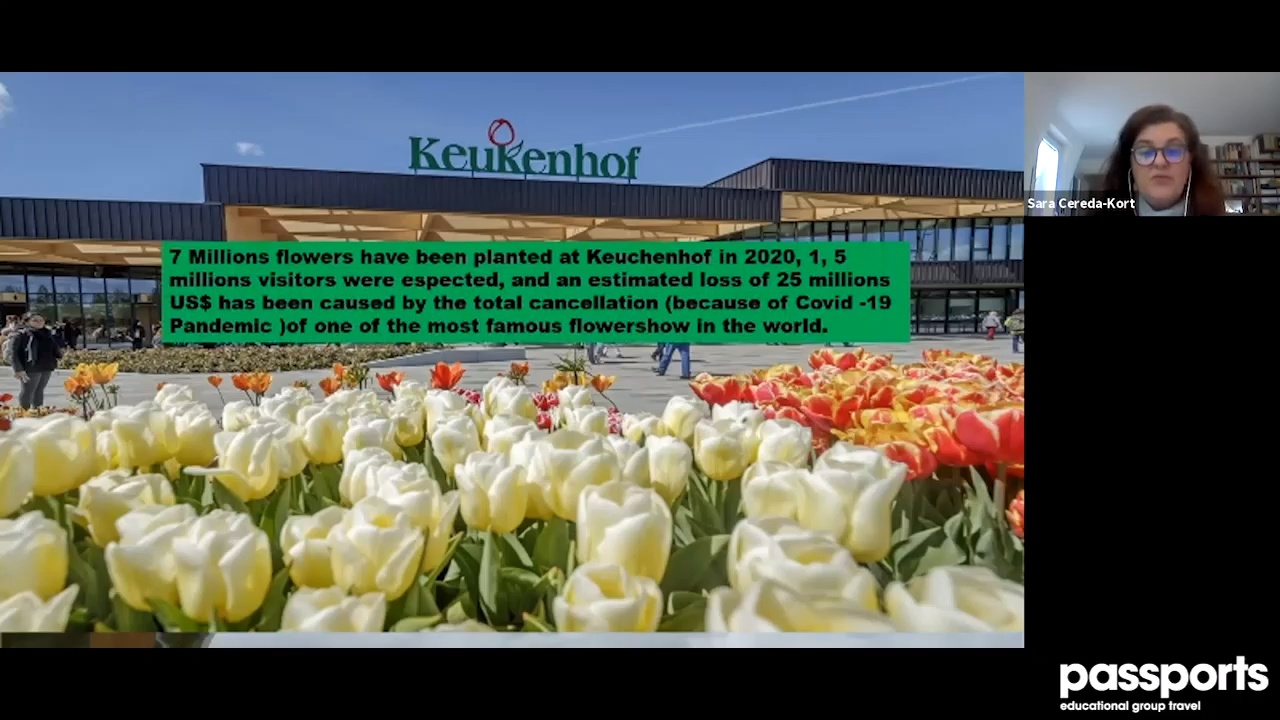
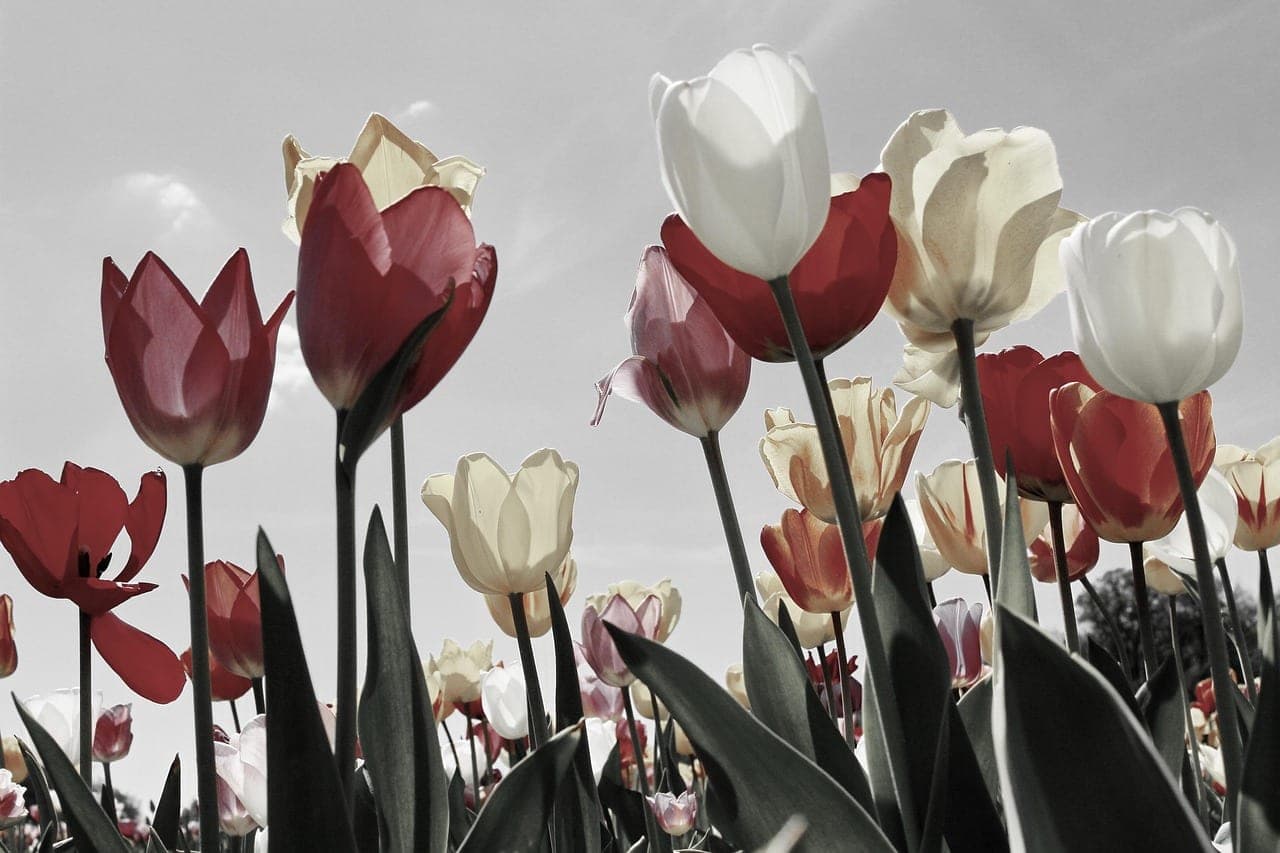
The middle of the week is day-trip territory by private coach or by train, and it's where the curriculum does its heaviest lifting. The Hague for the Mauritshuis and the International Court of Justice, Delft for Vermeer and the blue-and-white pottery workshops, Rotterdam for WWII rebuild architecture and the Markthal, and a morning at Zaanse Schans for the working windmills and the cheese-and-clog demonstrations. In April and May the Keukenhof bulb-garden day trip replaces one of the above and consistently rates as the trip's best surprise.
We've run student group travel to the Netherlands for enough years that every moving part has a backup plan: an Anne Frank House reservation that didn't release, an unexpected national-rail strike, a thirty-minute downpour that moves an outdoor activity inside. The educational travel piece is real — most itineraries include a Westerbork or Hollandsche Schouwburg stop for WWII history depth, an optional service-learning morning with a Dutch partner school, and debrief journaling time built into the schedule — but the part teachers remember is that the logistics are the smoothest in our European catalog.
Top things to see and do


When to go
- Jun - Aug — summer, long days, crowded
Daytime highs 20-24°C, long daylight into the evening, terraces open everywhere. Amsterdam is at its busiest and museum lines are real. Best for longer educational tours that cross into Belgium or Germany and need reliable weather for outdoor walks.
- Apr - May — tulips & the shoulder sweet spot
The signature school-group window. Keukenhof is open, the bulb fields peak in late April, and highs run 12-18°C. Rain rolls through in short bursts, so pack a jacket. This is our most-booked spring-break window for student group travel to the Netherlands.
- Sep - Nov — quiet cities, museum weather
Crowds thin out after the first week of September, museums get comfortable again, and highs sit in the 12-16°C range through October. Short days and steady drizzle arrive by November. A strong pick for smaller teacher-led trips that prioritize indoor curriculum.
- Dec - Feb — cold, dark, market season
Highs 3-7°C, sunset by 4:30 in mid-December, and a cold wind off the North Sea. Christmas markets are excellent and the Rijksmuseum is empty on a Tuesday morning. Tight fit for most US school calendars but workable for January interim-term programs.
Food and culture

Stroopwafel
Two thin waffle discs glued together with a layer of caramel syrup. Buy them warm off a market stall — balanced on top of a coffee cup for thirty seconds so the caramel softens — and the grocery-store version will never taste the same again.

Haring (Hollandse Nieuwe)
Salt-cured raw herring, eaten whole with a sprinkle of diced onion and pickles, at a street-cart haringkar. A rite of passage; half the group will refuse and half will ask for seconds. Peak season is May through July.

Bitterballen
Deep-fried crispy balls of slow-cooked beef ragout, served piping hot with grainy mustard. The default Dutch bar snack and the most reliable group-dinner icebreaker on the itinerary.

Poffertjes
Silver-dollar puffy pancakes cooked in a dimpled cast-iron pan, dusted with powdered sugar and a pat of butter. Market-stall food at its best and a dependable hit with the group between museums.

Dutch cheese (Gouda & Edam)
The Netherlands exports more cheese than any other country in the world. A Gouda-tasting stop — young, aged, smoked, with cumin or mustard seed — is a short, sensory lesson in Dutch trade history, and every group leaves with a wheel or three.
Classroom connections
What to pack
- Documents
US passport valid at least 6 months past the return date, with two printed copies (one for the student, one for the Tour Director's file), EU insurance card or travel-insurance letter, and the Passports group packet. No visa required for US citizens for stays under 90 days in the Schengen zone. ETIAS pre-authorization may apply from 2026 — we confirm group-wide before departure.
- Clothing
Layers, always. Mornings start cool even in June; afternoons warm up; evenings along the canals are breezy. Pack a light sweater or fleece and a wind-resistant outer shell. No strict dress code anywhere on the itinerary, but a neater layer for the Mauritshuis and a Peace Palace visit goes a long way.
- Footwear
Broken-in walking shoes, not new — a typical day is 15,000 to 20,000 steps over cobblestones, canal bridges, and museum floors. One dressier closed-toe pair for evening group dinners. Leave the heels at home; the canals are not kind to them.
- Rain gear
A packable rain jacket (not a poncho) and a compact travel umbrella. The Dutch drizzle is a near-daily feature outside high summer, and the wind off the North Sea tears cheap umbrellas inside-out within hours. A dry-bag or zip-locs for phones on canal cruises.
- Tech
Type C/F plug adapter (230V, 50Hz — US devices work fine with an adapter; no voltage converter needed for phones, laptops, or cameras). Portable battery for long museum days. T-Mobile and Google Fi cover the Netherlands at no extra charge; other US carriers should pick up an eSIM on arrival.
- Extras
Reusable water bottle (tap water is safe and excellent everywhere), small packet of tissues (public restrooms often don't stock them), hand sanitizer, a thin microfiber towel for impromptu rain dry-offs, and a small cross-body bag for valuables in Amsterdam's busier stops.
Is it safe?
Yes. The Netherlands is one of the safest countries in Europe on every measure that matters to a parent meeting — low violent crime, strong public health, world-class hospitals, and no meaningful natural-hazard exposure. The US State Department currently rates the country Level 2 ("exercise increased caution") purely for the Europe-wide terrorism advisory; the underlying crime profile is essentially the same as Germany, France, or the UK at Level 2. The realistic risk for a school group is pickpocketing and bike-lane accidents in Amsterdam, not anything headline-grade.
On a Passports teacher-led trip the group is never on public transport without the Tour Director, never splits up without a defined meetup time, and never out of reach of a named Tour Director who stays with the group 24/7 for the full week. We operate a 24/7 emergency line staffed out of our Boston HQ, keep parents on a daily-update channel, and have pre-vetted English-speaking medical contacts in Amsterdam, The Hague, and Rotterdam. For most teachers leading school group tours to the Netherlands, the logistics feel meaningfully easier than a domestic field trip.
Practical tips
- Trains are the backbone
Nederlandse Spoorwegen (NS) runs frequent intercity trains between every stop on a typical itinerary — Amsterdam to The Hague is 50 minutes, Amsterdam to Rotterdam 40 minutes direct. Passports books group tickets in advance and the Tour Director handles the OV-chipkaart logistics so students don't have to figure out the turnstiles.
- Respect the bike lane
There are roughly 23 million bicycles in the Netherlands and Amsterdam is organized around them. The red-brick lanes next to the sidewalk are for bikes only, and Dutch cyclists do not slow down for confused tourists. Walking two abreast in a bike lane is the single most common way a student almost gets hit on this trip — cover it on night one.
- Cards everywhere, Maestro sometimes
Contactless cards and Apple/Google Pay are accepted essentially everywhere. One quirk worth knowing: a small number of supermarkets (notably Albert Heijn self-checkout) and some museum cafes accept only Maestro debit cards, not US credit cards. Carry €40-50 in small bills for those edge cases.
- English is effectively universal
Anyone under forty speaks fluent English, and most Dutch people will switch the moment they hear an American accent. Students will still get more out of the trip by learning dank je wel (thank you), alstublieft (please / here you go), and lekker (tasty / nice), and by making the attempt in restaurants and shops.
- Tipping is modest, and dinners run later
Service is included in the menu price; rounding up to the next euro or leaving 5-10% for good table service is plenty. Dinner at 7:30 or 8:00 is typical, and kitchens often close by 9:30, so lock in group reservations by mid-afternoon and don't try to walk in at 9:00.