
How Student Travel Builds Confidence and Independence Abroad
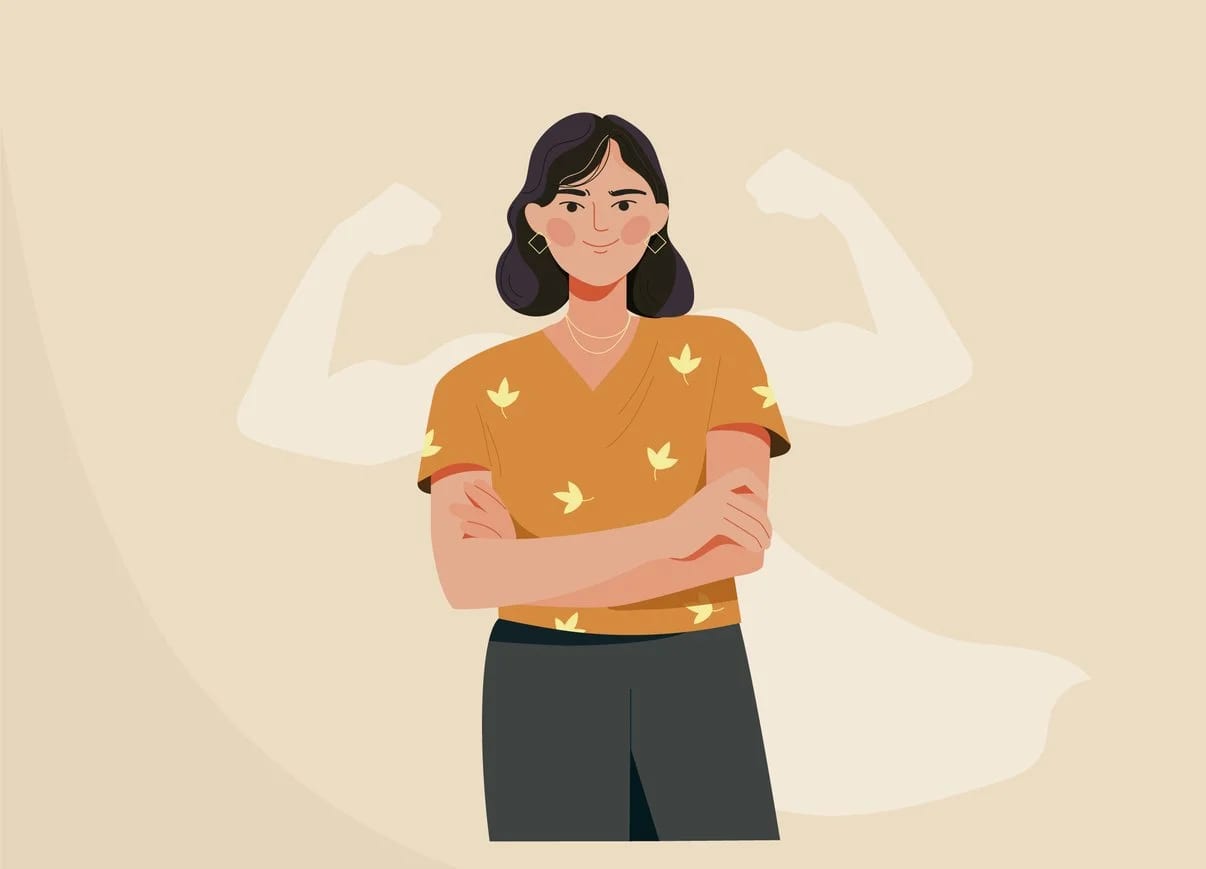
Growth Happens Outside the Classroom Too
There’s something powerful that happens when students step outside their normal routines and into a completely new environment.
Suddenly, they’re navigating unfamiliar streets, hearing new languages, trying foods they’ve never tasted, and making decisions on their own. It’s exciting—but also a little uncomfortable.
And that’s exactly where growth begins.
Educational travel doesn’t just teach students about the world—it helps them discover who they are within it.
1. Confidence Starts with Small Wins
Confidence doesn’t appear overnight. It builds in small, quiet moments—especially while traveling.
It might look like:
Ordering a meal in another language
Figuring out how to use public transportation
Asking a question during a guided tour
Trying a food they would have refused at home
Each of these moments may seem minor, but together, they create a powerful shift: “I can do this.”
2. Stepping Outside the Comfort Zone
Travel naturally pushes students out of their comfort zones—and that’s where confidence grows fastest.
Without the familiar structure of home, students are encouraged to:
Adapt to new environments
Solve problems in real time
Interact with people from different cultures
At first, it can feel overwhelming. But with each challenge they face, students begin to realize they are more capable than they thought.
That realization sticks.
3. Finding Their Voice
In the classroom, some students may hesitate to speak up. But abroad, the environment shifts.
Students find themselves:
Asking questions out of genuine curiosity
Engaging in conversations with locals
Sharing opinions and observations with their peers
Travel creates space for new voices to emerge.
4. Building Independence (with a Safety Net)
Educational travel offers something unique: independence with support.
Students get the chance to make decisions, take responsibility, and navigate new situations—all while knowing their teacher and group are there to guide them.
This balance allows them to:
Take risks in a safe environment
Learn from mistakes without fear
Build trust in their own judgment
By the end of the trip, many students carry themselves differently—more self-assured, more capable, and more aware of their strengths.
5. Seeing Themselves in a Bigger World
Travel doesn’t just change how students see the world—it changes how they see themselves.
When students experience different cultures, perspectives, and ways of life, they begin to understand their place in a global community.
They gain:
Empathy for others
Appreciation for differences
A broader sense of identity
✈️ Final Thought
The confidence students gain through travel doesn’t stay behind when the trip ends.
It shows up back in the classroom, in future challenges, and in the way they approach new opportunities. It’s the quiet belief that they can handle the unknown—and grow because of it.
For teachers, that’s one of the most rewarding parts of educational travel: watching students return not just with photos and souvenirs, but with a stronger sense of who they are and what they’re capable of becoming.